

KwaZulu-Natal may be best known for its beaches and game reserves, but further north lies a remarkable wetland wilderness shaped by the movement of water.

Nyamithi Hide, Ndumo Game Reserve, Maputaland, KwaZulu-Natal/Bernard DUPONT from FRANCE/Wikimedia Commons
Here, seasonal pans, winding rivers and floodplains create ever-changing habitats for birds, fish and other wildlife, offering travellers a different perspective on the province’s natural beauty.
A landscape shaped by water
Stretching across the Makhathini Flats, the Pongola Floodplain is one of South Africa’s significant wetland systems. Its network of river channels, grasslands and pans changes with the seasons, creating habitats that support an abundance of aquatic life.
Some pans retain water throughout the year, while others shrink or dry out as conditions change. During periods of flooding, water spreads across the landscape, reconnecting wetlands and creating important habitats for fish and waterbirds. As levels recede, exposed mudflats and remaining pools provide feeding opportunities for wildlife.
Unlike permanent lakes, these wetlands are constantly changing, making each season a different experience for visitors.
A haven for birdlife
The seasonal pans of northern KwaZulu-Natal support an impressive variety of bird species, particularly those associated with freshwater habitats.
Herons, egrets, African jacanas, kingfishers and various species of ducks are among the birds found in the region. Their presence and distribution change according to water availability, food sources and seasonal movements.
Ndumo Game Reserve: A birdwatcher’s paradise
Situated near the confluence of the Pongola and Usuthu rivers, Ndumo Game Reserve protects an extraordinary combination of wetlands, floodplains, riverine forests and woodland habitats.
Recognised as a Ramsar Wetland of International Importance, the reserve is particularly renowned for its birdlife, attracting resident and migratory species.
One of its most notable wetlands is Lake Nyamithi, a roughly 157-hectare pan known for its substantial Nile crocodile population. Its shoreline, partly fringed by fever trees, also provides habitat for an assortment of waterbirds. The lake’s water levels fluctuate considerably, creating different conditions for wildlife throughout the year.
More wetlands worth discovering
Further south, uMkhuze Game Reserve, part of the iSimangaliso Wetland Park, offers another opportunity to explore northern KwaZulu-Natal’s remarkable aquatic habitats.
Nsumo Pan is one of its standout attractions. This permanent freshwater wetland is particularly important for birdlife and is recognised as a breeding site for pink-backed pelicans. Viewing hides provide opportunities to observe waterbirds and other wildlife without disturbing them.
Another wetland to look out for is Nhlonhlela Pan, where seasonal changes in water levels influence the surrounding habitat and bird activity.
Wildlife beyond the wetlands
Although birdlife is a major attraction, the wider region offers plenty of opportunities to encounter other wildlife.
The area’s rivers and permanent water bodies provide habitats for hippos, crocodiles and fish, while surrounding woodlands and grasslands support a variety of mammals.
At uMkhuze, water-level hides and other viewing points offer opportunities to observe wildlife gathering around water sources, particularly during drier months.
The contrast between open water, dense vegetation and dry bushveld adds to the region’s appeal, allowing visitors to explore different ecosystems within the same landscape.
Exploring Jozini and the Pongola River
The town of Jozini provides a convenient gateway to the region’s waterways and wildlife attractions.
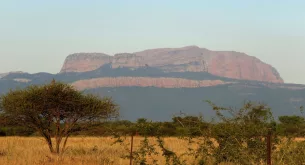
Overlooking the expansive Pongolapoort Dam, also known as Jozini Dam, the area offers striking views of the Lebombo Mountains and surrounding bushveld.
The dam is particularly associated with tiger fishing, while boating excursions provide opportunities to appreciate the scenery and observe wildlife along the water’s edge.
Beyond its recreational appeal, the dam plays a significant role in the floodplain’s ecology. Managed water releases influence downstream water levels, affecting wetlands, agricultural activities and communities that depend on the river.
Why these wetlands matter
The Pongola Floodplain is more than a wildlife destination. Its seasonal waters have supported surrounding communities for generations.
Fishing, livestock grazing, flood-recession farming and the harvesting of natural resources are closely connected to the health of the wetlands.
However, changes to the river’s natural flooding patterns have created conservation challenges. Without sufficient water reaching the pans at appropriate times, aquatic habitats can become disconnected, affecting fish populations, wetland vegetation and the wildlife that depends on them.
Conservation efforts therefore extend beyond protecting individual species. They also involve managing water resources in ways that support biodiversity and local livelihoods.
When to visit and what to know
Northern KwaZulu-Natal experiences a summer rainfall season, generally from November to March, and a drier winter period from May to October. Each brings different opportunities for exploring the wetlands.
During the wetter months, rainfall can replenish seasonal pans and transform the surrounding landscape into lush green habitat. This can be particularly rewarding for birdwatchers and photographers. In winter, shrinking water sources may concentrate wildlife around permanent pans and waterholes, making game viewing more rewarding.
Conditions vary between reserves and are also influenced by river flows and dam releases, so visitors should check local conditions before travelling.
A few practical considerations can make the experience more enjoyable:
- Vehicle choice: Some reserve roads can become muddy or difficult after heavy rainfall. Check road conditions with the reserve before setting out, as certain routes may require a high-clearance vehicle or 4×4.
- Malaria precautions: Ndumo and uMkhuze are in a low-risk malaria area, with greater seasonal concern during summer. Consult a healthcare professional about appropriate precautions and use insect repellent.
- Pack essentials: If staying in self-catering accommodation, check what is supplied before arrival. At uMkhuze, for example, visitors are advised to bring their own drinking water, while the camp shop has limited supplies.
A different side of KwaZulu-Natal
Northern KwaZulu-Natal’s seasonal pans reveal a landscape where water determines much of the rhythm of life.
From the crocodile-rich waters of Lake Nyamithi to the birdlife of Nsumo Pan and the wider Pongola Floodplain, the region offers an opportunity to discover the ecological richness that exists beyond the province’s famous coastline.
For travellers drawn to wildlife, birdwatching and lesser-explored natural landscapes, these changing wetlands provide a compelling reason to venture north.
Follow us on social media for more travel news, inspiration, and guides. You can also tag us to be featured.
Instagram | Facebook | Twitter | Spotify
ALSO READ: