

From groundbreaking cheetah research in South Africa to rising floodwaters breathing life into the Okavango Delta, the past week has delivered plenty of reminders that conservation is powered by persistence, collaboration and science.
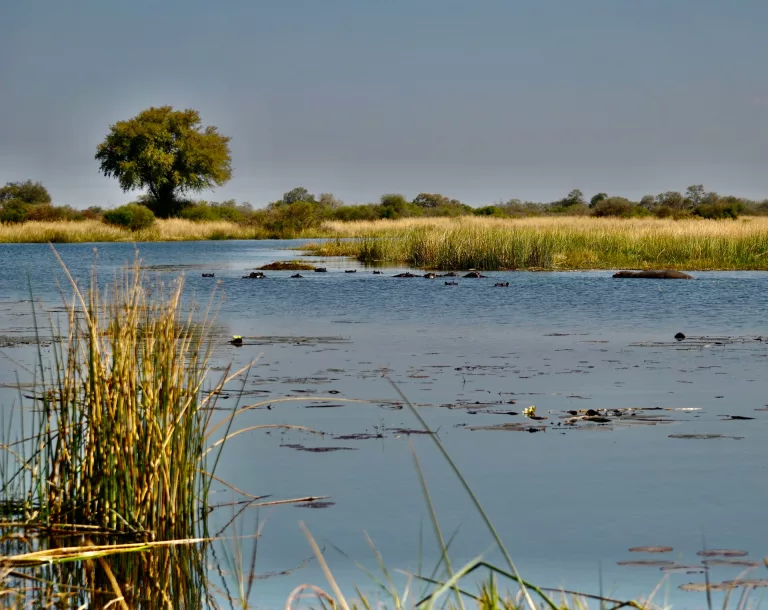
Okavango Delta/Maria Baltazzi/Unsplash
Here are seven wildlife stories worth celebrating from 3 to 10 July.
Landmark census gives South Africa’s free-roaming cheetahs a fighting chance
One of the week’s most significant conservation developments came with the release of South Africa’s first comprehensive census of free-roaming cheetahs living outside protected areas. The four-year study estimates that just 119 individuals remain in the wild beyond national parks and private reserves.
While the figure highlights the species’ vulnerability, conservationists have welcomed the census as a major breakthrough. Until now, there has been no reliable baseline for understanding where these elusive cats live or how their populations are changing.
The data will help direct future conservation efforts, identify wildlife corridors and guide partnerships with landowners across provinces such as the Northern Cape, North West and Limpopo. In conservation, knowing where a species stands is often the first step towards securing its future.
Rhino horn ruling sparks renewed conservation debate
A recent Northern Cape High Court ruling has been welcomed by many private rhino owners after the court dismissed the government’s application for leave to appeal an earlier judgment concerning export permits for legally harvested rhino horn. Supporters argue that regulated trade in horn that has been removed without harming rhinos could generate valuable funding for anti-poaching efforts and habitat protection. Others remain concerned that any legal trade could increase demand and complicate the fight against illegal trafficking. Although opinions remain divided, the ruling highlights an important reality. Finding sustainable ways to fund rhino conservation continues to be one of Africa’s biggest wildlife challenges.
Elephants continue shaping the Greater Kruger landscape
Elephants are often celebrated for their size, intelligence and complex family bonds, but new ecological research has highlighted another remarkable role. They are also ecosystem engineers. Scientists studying the Greater Kruger landscape found that elephants influence everything from tree density and grassland health to biodiversity and carbon storage. As previously fenced reserves become increasingly connected, elephant movements are helping restore natural ecological processes across vast areas. The findings reinforce the importance of protecting entire landscapes rather than isolated reserves. Healthy ecosystems depend on animals moving freely across them.
The Okavango Delta comes alive with seasonal floods
Every year, water travels more than 1,000 kilometres from the Angolan highlands before spreading across Botswana’s Okavango Delta during the dry season. This year’s flood has been particularly impressive, creating ideal conditions for wildlife throughout the region. The rising waters replenish wetlands, encourage fish spawning, provide fresh grazing for antelope and buffalo, and attract countless bird species. Predators also benefit as prey animals gather around newly flooded plains. The annual flood is one of Africa’s greatest natural spectacles and a reminder that healthy rivers support entire ecosystems far beyond their source.
Rhino Rewild continues building Africa’s future
Few conservation projects are as ambitious as Rhino Rewild. The long-term initiative aims to establish new, secure populations of southern white rhinos across Africa by relocating up to 2,000 animals over the coming decade. Rather than concentrating rhinos in a handful of locations, the programme seeks to spread populations across carefully selected protected areas, reducing the risk posed by disease, poaching and localised threats. Every successful relocation strengthens the species’ long-term resilience while restoring rhinos to landscapes where they once played a vital ecological role.
Namibia’s community conservation model keeps cheetahs safe
Protecting predators often depends as much on people as it does on wildlife. In Namibia, the Cheetah Conservation Fund continues to demonstrate how community partnerships can reduce conflict between farmers and wild cheetahs. By helping livestock owners adopt non-lethal methods to protect their animals, including the use of livestock guarding dogs and improved farming practices, the organisation has significantly reduced retaliatory killings. The programme serves as an important example of coexistence conservation, proving that wildlife and agriculture can thrive together when local communities are supported.
Pangolins remain in the spotlight
Pangolins are among the world’s most heavily trafficked mammals, yet they remain one of Africa’s least understood animals. This week, conservation organisation Pangolin.Africa continued expanding its public awareness campaigns, encouraging people to report sightings and learn more about these shy, nocturnal mammals. Every verified sighting helps researchers better understand pangolin distribution, while greater public awareness strengthens efforts to combat illegal wildlife trafficking. Conservation is not only about protecting habitats. It is also about inspiring people to care. For pangolins, education could prove just as valuable as boots on the ground.
Every victory counts
Conservation success rarely happens overnight. It is built through years of research, collaboration and determination by scientists, rangers, local communities and conservation organisations. Whether it is counting South Africa’s last free-roaming cheetahs, restoring rhino populations or protecting one of Africa’s most remarkable wetlands, each positive step contributes to a healthier future for wildlife. Together, these stories remind us that while challenges remain, there is still plenty of good news emerging from the natural world.
Follow us on social media for more travel news, inspiration, and guides. You can also tag us to be featured.
Instagram | Facebook | Twitter | Spotify
ALSO READ:
New study suggests Africa’s leopards could recover with targeted conservation