



Summer in South Africa can be relentless, with heatwaves pushing temperatures well beyond comfort levels. Wildlife does not escape this reality. Across savannas, deserts, forests, and coastlines, animals rely on a suite of clever behavioural adaptations to survive extreme heat, writes Lee-Ann Steyn.

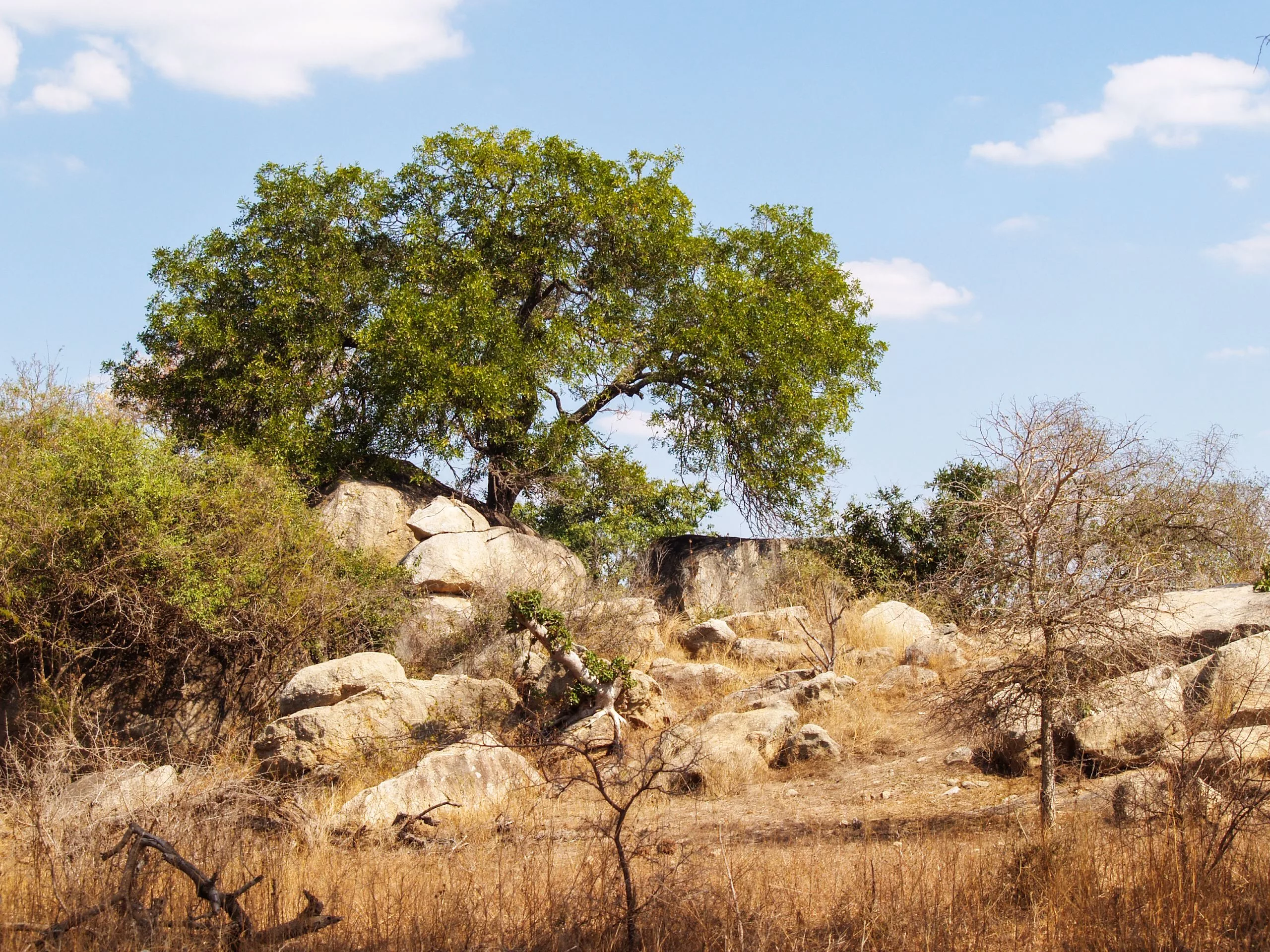
A leopard on the tree/High Tea With Elephants/Unsplash
Heat is one of the biggest daily challenges animals face
High temperatures affect everything from hydration and energy use to predator and prey dynamics. Unlike humans, animals cannot retreat indoors or switch on air conditioning. Survival depends on timing, movement, body position and an intimate understanding of the landscape.
These behavioural adaptations become especially visible during peak summer, offering insight into how species have evolved to cope with harsh environments and how climate change may be testing those limits.
Avoiding the sun is the first line of defence
Activity shifts to cooler hours
Many animals respond to intense heat by changing when they move, hunt or forage. Activity often shifts to early mornings and late afternoons, a pattern known as crepuscular behaviour. In extreme conditions, some species become almost entirely nocturnal.
Antelopes, big cats and even elephants are often far less active during the hottest part of the day. Safari sightings tend to peak at dawn and dusk for this very reason. Heat avoidance conserves water and prevents dangerous rises in body temperature.
Rest becomes a survival strategy
Reduced movement during midday is not laziness. It is a calculated response to heat stress. Animals lower their metabolic output by resting, which limits internal heat production and preserves precious energy reserves during long, dry summers.
Shade, shelter and smarter use of the landscape
Trees, rocks and riverbanks offer refuge
Shade plays a crucial role in temperature regulation. Large mammals cluster beneath trees or rocky outcrops where surface temperatures can be significantly cooler. Riverbanks and wetlands provide both shade and evaporative cooling, which is why wildlife activity often increases near water in summer.
Elephants are known to linger near rivers not only to drink but also to cool their bodies through bathing and mud coating, which also protects skin from sun exposure.
Burrows and underground escapes
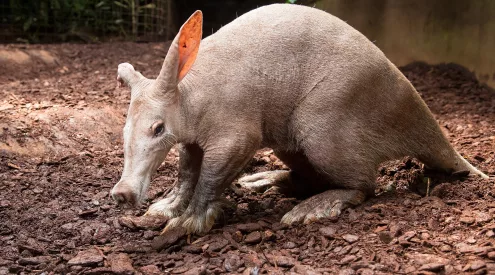
Small mammals, reptiles and insects often retreat underground to escape the heat entirely. Burrows offer stable temperatures and reduced moisture loss. In arid regions like the Kalahari, underground refuges can mean the difference between survival and overheating.
Some species dig shallow depressions in the sand or soil, pressing their bodies against cooler ground to release heat.
ALSO READ: 6 Southern African canoe journeys through living cultural landscapes
Physical cooling behaviours you can actually see
Panting, fluttering and heat loss through breath
Many mammals rely on panting to cool down. Rapid breathing increases evaporation in the mouth and respiratory tract, lowering body temperature. Birds use a similar technique called gular fluttering, where the throat vibrates rapidly to release heat.
These behaviours become common sights during heatwaves, especially around waterholes.
Elephants and the art of ear flapping
Elephant ears are packed with blood vessels and act as natural radiators. By flapping their ears, elephants increase airflow over these vessels, allowing excess heat to dissipate. Standing sideways to the wind further improves cooling efficiency.
This behaviour is one of the most visible examples of behavioural thermoregulation in African wildlife.
Body positioning and micro adjustments matter
Small movements make a big difference
Reptiles and smaller animals are especially sensitive to surface temperatures. Lizards may lift their bodies off hot sand, angle themselves to reduce sun exposure, or move between sun and shade throughout the day to regulate body temperature.
Some species perform brief push-up movements that expose cooler body surfaces or allow heat to escape more efficiently.
Choosing the right surface
Hot sand, rocks and soil can quickly push body temperatures into dangerous territory. Animals carefully select where they rest, often preferring shaded rock faces, tree roots or cooler patches of ground that retain less heat.
Water conservation and doing less to survive more
Reduced activity lowers water loss
Heat increases the risk of dehydration. Many animals respond by limiting movement, feeding less frequently and conserving bodily fluids. These behavioural changes help maintain hydration during long periods without rain.
Some desert-adapted species extract moisture entirely from their food, reducing the need to drink water directly.
Survival during extreme heat events
When temperatures soar, behaviour becomes more conservative across ecosystems. Predator hunts decline, grazing becomes brief and targeted, and animals prioritise shade and rest over movement. These patterns are becoming more pronounced as heatwaves increase in frequency.
What this means for travellers and wildlife lovers
Why these sightings change in summer
Understanding heat-driven behaviour explains why wildlife sightings often cluster around waterholes and shaded areas during summer. Early-morning and late-afternoon game drives offer the best opportunities to see animals active and alert.
Midday stillness is not absence. It is adaptation in action.
A reminder of climate pressure
These behaviours highlight how finely tuned animals are to their environments. Rising temperatures and prolonged heatwaves push these systems to their limits. Observing how animals cope with heat also underscores the importance of conserving diverse habitats that offer shade, water and refuge.
Follow us on social media for more travel news, inspiration, and guides. You can also tag us to be featured.
TikTok | Instagram | Facebook | Twitter
ALSO READ: Wildlife escapes for couples who want more than game drives