





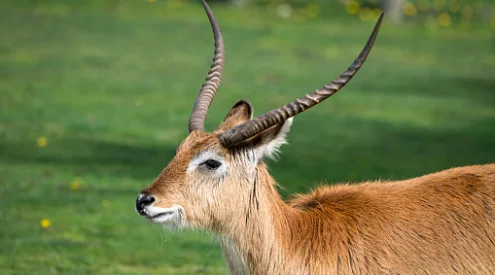


South Africa’s Big Five have captured the imagination of travellers for more than a century.
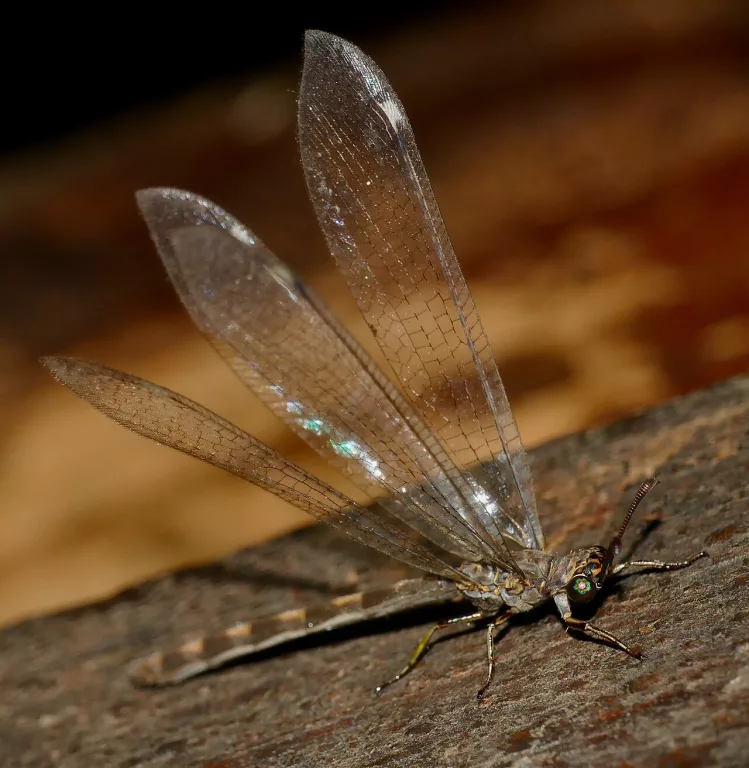
Antlion/Bernard DUPONT/Wikimedia Commons
Originally coined by big game hunters to describe the five most dangerous animals to hunt on foot, the term has since evolved into one of the country’s most recognisable wildlife attractions. While they continue to draw visitors from around the world, conservationists and nature guides have increasingly encouraged travellers to look a little closer at the extraordinary biodiversity that exists beneath their feet.
The Cape’s Little Five is a playful response to the famous Big Five. Instead of celebrating size and strength, it shines a spotlight on some of the Western Cape’s smallest yet most fascinating creatures. Together, they represent the incredible diversity of the Cape Floristic Region, one of the world’s richest biodiversity hotspots. Spotting all five requires patience and curiosity, but the reward is discovering an often overlooked side of nature.
Here’s how to find the Cape’s Little Five and why each species deserves a place on your wildlife checklist.
Antlion
Despite its fearsome name, the antlion spends most of its life hidden beneath loose sand, waiting for unsuspecting ants to wander into its cleverly constructed trap.
The larval stage is the one most people encounter. Using its body like a miniature excavator, it creates a neat cone-shaped pit. When an ant slips on the loose sand, the antlion flicks sand upward to prevent its escape before pulling it underground.
Identification tips: Look for perfectly circular funnel-shaped pits in dry sandy areas beneath trees or sheltered overhangs. The insect itself is rarely visible unless a trap is disturbed.
Fun fact: Adult antlions resemble delicate dragonflies, yet they bear little resemblance to the fearsome hunters they once were as larvae.
Where to look:
- West Coast National Park
- De Hoop Nature Reserve
- Cape Point’s sandy trails
Elephant shrew
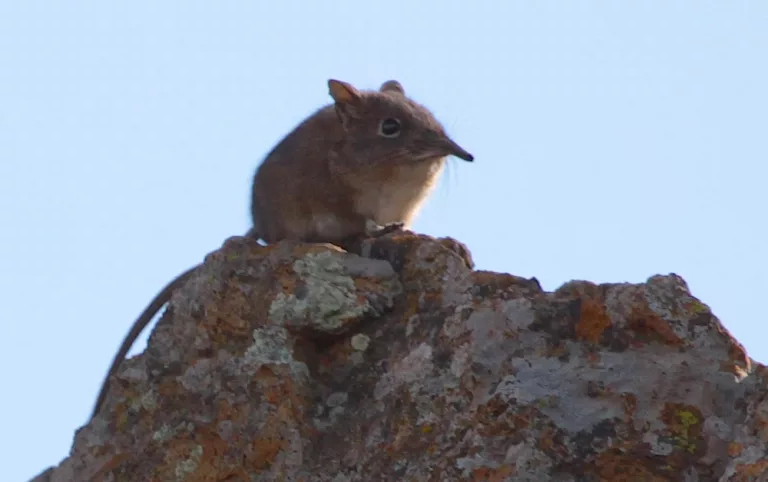
Marktittley/Wikimedia Commons
With its elongated nose and lightning-fast movements, the elephant shrew is one of the Cape’s most charming mammals. Also known as a sengi, it is more closely related to elephants than to true shrews, despite its tiny size.
Elephant shrews feed primarily on insects and spend much of the day darting between shrubs along well-maintained pathways that they create through dense vegetation.
Identification tips: Watch for a small, brown-grey mammal with long hind legs and a constantly twitching trunk-like snout. Early mornings offer the best chance of seeing one before temperatures rise.
Fun fact: Elephant shrews maintain an intricate network of cleared runways that allow them to escape predators at remarkable speed.
Where to look:
- Table Mountain National Park
- Cape Point
- Cederberg wilderness areas
Buffalo weaver
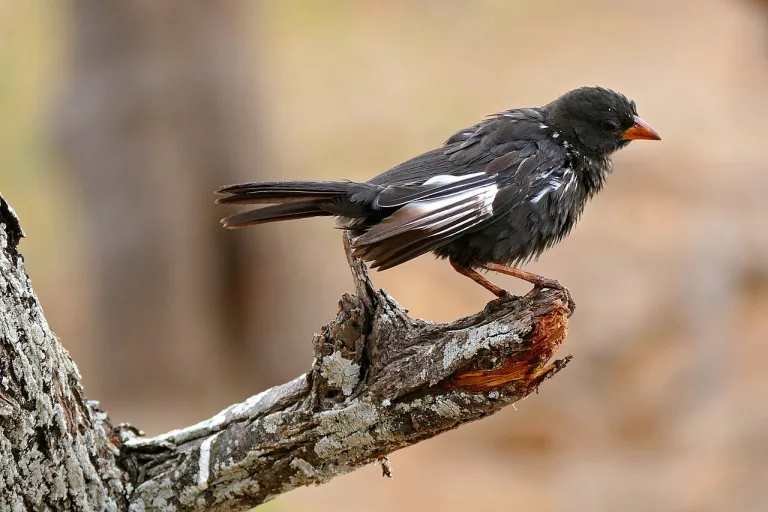
Bernard DUPONT/Wikimedia Commons
Although buffalo weavers are more commonly associated with South Africa’s drier interior, small populations occur in parts of the Western Cape where suitable habitat exists. Their untidy communal nests and noisy personalities make them one of the easier members of the Little Five to identify.
Unlike many birds that carefully craft neat nests, buffalo weavers build sprawling bundles of sticks that may house several birds at once.
Identification tips: Listen before you look. Their loud, chattering calls often reveal their presence. Look for large stick nests in thorny trees.
Fun fact: Some communal nests are expanded and repaired over many years, becoming substantial structures that shelter multiple generations.
Where to look:
- West Coast National Park
- Cederberg
- Drier fynbos and scrubland habitats
Leopard tortoise
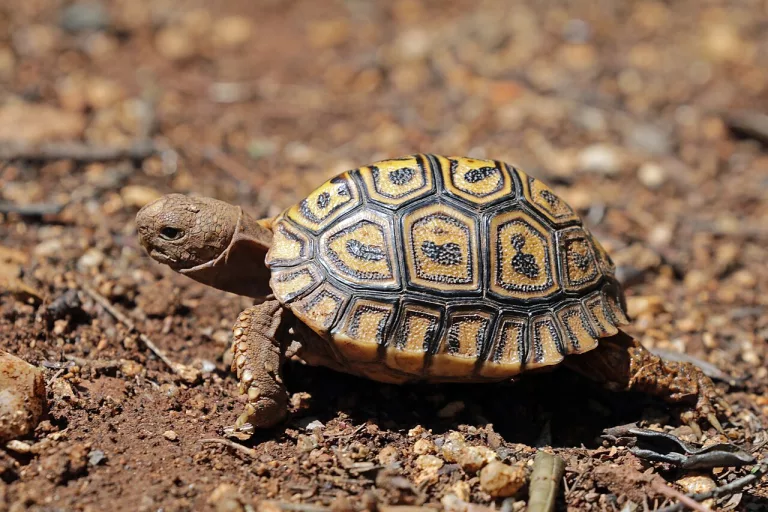
Charles J. Sharp/Wikimedia Commons
The leopard tortoise is South Africa’s largest tortoise species and perhaps the easiest member of the Cape’s Little Five to spot. Named for the striking black markings on its shell rather than any resemblance to the big cat, it is an important grazer that helps maintain healthy vegetation.
These gentle reptiles spend much of the day feeding on grasses, succulents and flowering plants before retreating into shade during the hottest hours.
Identification tips: Look for a high-domed shell covered in bold black and yellow patterns. After rain, leopard tortoises often become more active as fresh vegetation emerges.
Fun fact: Leopard tortoises cannot swim, but trapped air inside their lungs allows them to float surprisingly well when crossing shallow water.
Where to look:
- De Hoop Nature Reserve
- West Coast National Park
- Grootbos Private Nature Reserve
Rhino beetle
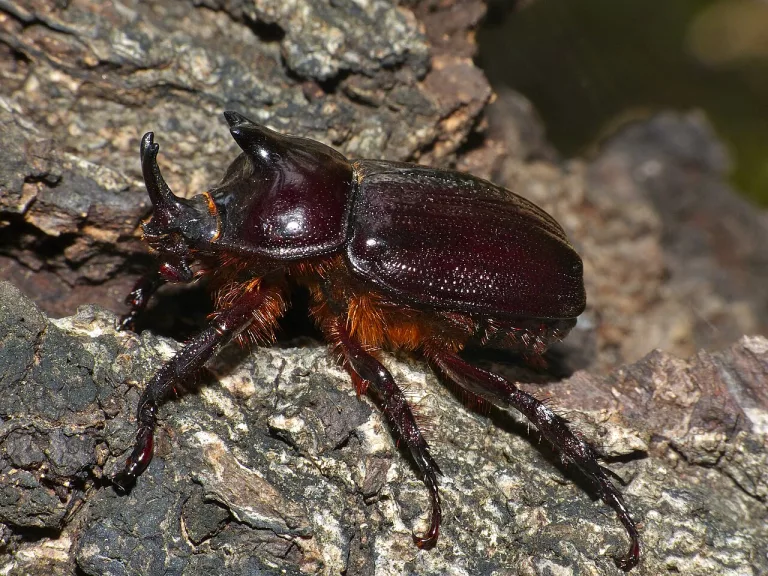
Bernard DUPONT/Wikimedia Commons
Perhaps the most impressive insect in the Cape, the rhino beetle carries a prominent horn that gives it its name. Males use these horns to wrestle rivals during breeding season, although they pose no threat to humans.
Rhino beetles play an important ecological role by helping break down decaying plant material and recycling nutrients back into the soil.
Identification tips: Look for large, glossy dark brown or black beetles during warmer months, particularly near decomposing logs or after summer rain.
Fun fact: Rhino beetles can lift objects many times heavier than their own body weight, making them among the strongest animals on Earth relative to their size.
Where to look:
- Grootbos
- Table Mountain National Park
- Cederberg
- De Hoop Nature Reserve
Looking beyond the obvious
Healthy ecosystems depend on far more than charismatic megafauna. Every antlion, tortoise, beetle, bird and elephant shrew contributes to the intricate web of life that makes the Cape Floristic Region one of the world’s greatest natural wonders. Sometimes the most memorable wildlife encounters come not from looking further into the distance, but from simply looking a little closer.
Follow us on social media for more travel news, inspiration, and guides. You can also tag us to be featured.
Instagram | Facebook | Twitter | Spotify
ALSO READ:
Beyond safari: Meet the new ‘big five’ on travellers’ wildlife wishlists





_(53002571533).jpg)

_(33142532726).jpg)
_juvenile.jpg)
_(11983010423).jpg)