






This week’s roundup brings together positive developments from Africa and beyond, showing how research, habitat protection and dedicated conservation efforts continue to make a difference for some of the world’s most remarkable species.
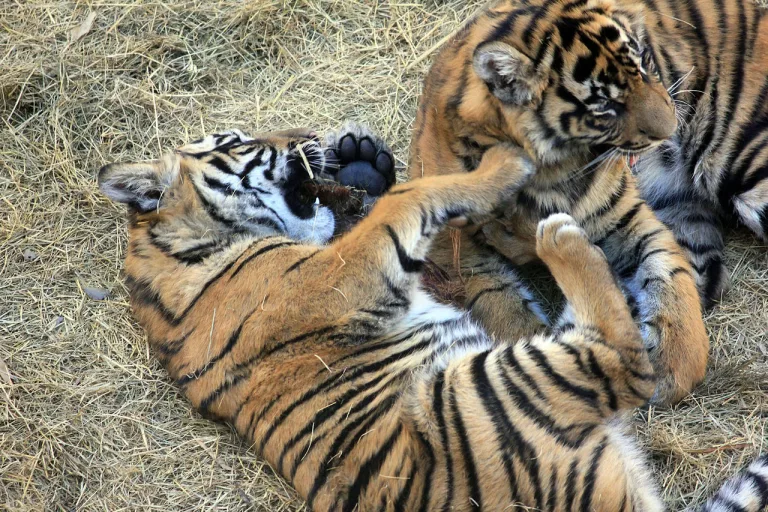
Image used for illustrative purposes/Yinan Chen/Wikimedia Commons
A rare leopard gets a second chance in Benin
One of the week’s most encouraging stories comes from West Africa, where scientists have reported signs that the critically endangered West African leopard is beginning to recover in Benin’s Pendjari National Park.
Using camera traps placed throughout the park, researchers found evidence that leopard numbers have increased following years of focused conservation work. The West African leopard is one of the rarest leopard populations on the continent, with only a few hundred individuals thought to remain in the wild. The increase is being linked to stronger anti-poaching efforts, improved park management and better protection of wildlife habitats. While researchers caution that many parts of the leopard’s former range remain empty, the findings offer genuine hope that threatened populations can recover when conservation receives long term support.
Tiny trackers are helping save migratory shorebirds
Researchers have successfully fitted miniature GPS tracking devices to migratory shorebirds, allowing them to follow the birds’ incredible journeys across continents. These tiny trackers are revealing where birds stop to rest, feed and recover during migrations that can stretch thousands of kilometres.
Many wetlands and coastal habitats face growing pressure from development, pollution and climate change. Knowing exactly which locations birds depend on allows governments and conservation organisations to prioritise protection where it matters most. The research demonstrates how advances in technology are becoming powerful tools for conservation. Rather than guessing which habitats need protection, scientists can now make evidence based decisions that give migratory species a better chance of survival.
What wildlife can teach us about living alongside nature
Researchers working in South Africa have uncovered another fascinating insight into how wildlife behaves around people. The study found that many animals living in the savanna respond more strongly to human voices than to the sounds of lions. While this reinforces the significant impact humans have on wildlife, the findings are being welcomed because they can help improve conservation management.
Understanding how animals react to people allows reserve managers to rethink where roads are placed, how tourist activities are managed and when certain areas should be left undisturbed. Rather than being a negative story, the research provides practical information that can reduce stress on wildlife while allowing visitors to continue enjoying protected areas responsibly. As ecotourism continues to grow across Africa, studies like these help create better experiences for both people and wildlife.
Every species matters, even the overlooked ones
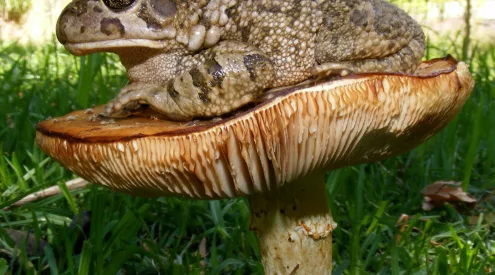
This week also saw growing attention given to species that rarely make headlines but play essential roles in healthy ecosystems. Scientists and conservationists highlighted the importance of protecting overlooked animals, including parasites and other organisms that many people would not normally associate with biodiversity.
Although these species are often misunderstood, they contribute to nutrient cycling, population balance and ecosystem health. The growing recognition of these lesser known creatures reflects an important shift in conservation thinking. Protecting biodiversity means looking beyond the most charismatic animals and recognising that every species has a role to play. Healthy ecosystems are built on countless connections, many of which remain invisible to most visitors exploring Africa’s wild spaces.
Rare tiger cubs bring hope for an endangered species
Good news also arrived from Europe, where Fota Wildlife Park in Ireland welcomed the birth of two critically endangered Sumatran tiger cubs. The cubs form part of an international breeding programme that helps maintain healthy genetic diversity for one of the world’s rarest big cats. Fewer than 400 Sumatran tigers are believed to remain in the wild, where habitat loss and poaching continue to threaten the species.
Successful births in accredited conservation breeding programmes are carefully planned and play an important role in safeguarding the future of endangered animals. The same announcement also included the birth of rare Asian lion cubs, providing another boost for global conservation breeding efforts. While breeding programmes can never replace protecting animals in their natural habitats, they serve as an important insurance policy should wild populations continue to decline.
Each achievement represents years of scientific research, collaboration and commitment from conservationists around the world which serves as a hopeful reminder that when people invest in protecting nature, wildlife has an opportunity to recover.
Follow us on social media for more travel news, inspiration, and guides. You can also tag us to be featured.
Instagram | Facebook | Twitter | Spotify
ALSO READ: African wild dogs return to Malawi’s Kasungu National Park after a decade