


When people think of Africa’s great wildlife migrations, the image that often comes to mind is the endless procession of wildebeest thundering across Tanzania’s Serengeti and Kenya’s Maasai Mara. While that spectacle remains one of the world’s greatest natural events, it is far from the continent’s only extraordinary migration.
Across Africa, millions of animals undertake remarkable seasonal journeys driven by rainfall, food and breeding cycles. From bats that darken the skies over Zambia to zebras crossing Botswana’s salt pans and sardines attracting an underwater feeding frenzy along South Africa’s coast, these lesser-known migrations offer unforgettable wildlife experiences without the crowds.
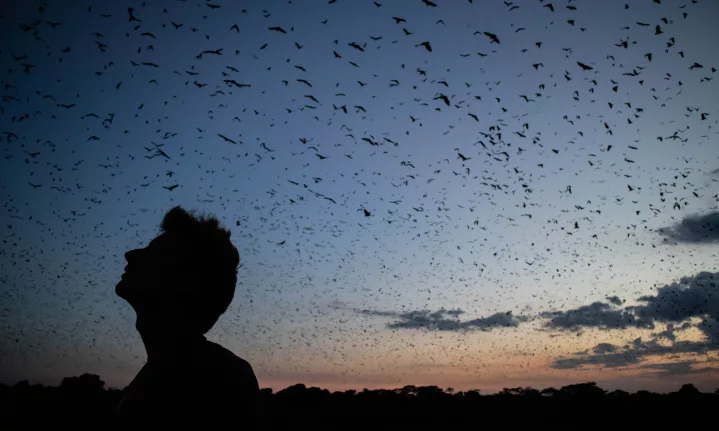
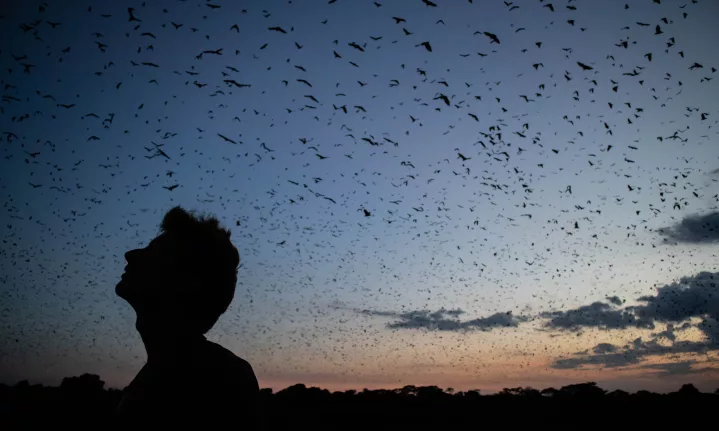
Kasanka’s fruit bat migration, Zambia
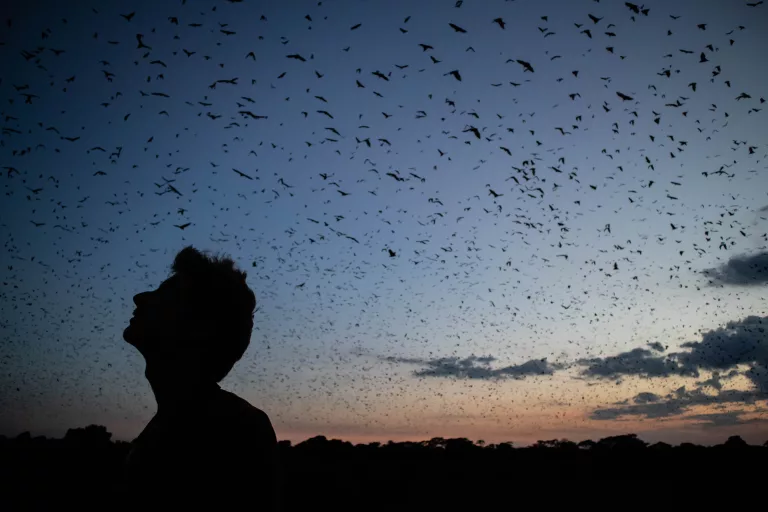
Kasanka’s fruit bat migration/Sybryn/Wikimedia Commons
Witness the world’s largest mammal migration by numbers
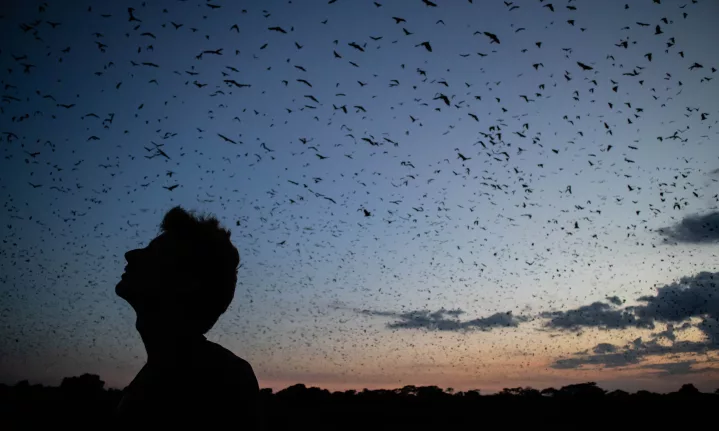
Each year between late October and December, Zambia’s Kasanka National Park becomes the stage for one of nature’s most astonishing spectacles. An estimated eight to ten million straw-coloured fruit bats arrive from across central Africa, roosting in a small patch of swamp forest.
At dusk, the bats emerge in vast swirling clouds that can stretch across the horizon, creating one of Africa’s most dramatic wildlife displays. Although their numbers are staggering, these bats feed primarily on wild fruits and play an important role in pollinating forests and dispersing seeds.
Purpose-built viewing hides allow visitors to watch the evening exodus while photographers can capture breathtaking silhouettes against the setting sun.
Botswana’s zebra migration
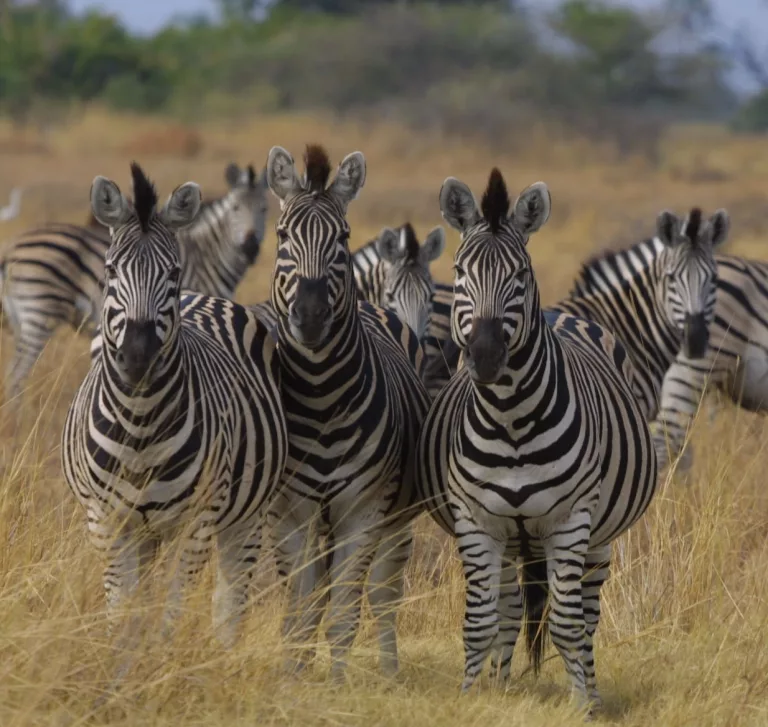
Africa’s longest terrestrial mammal migration
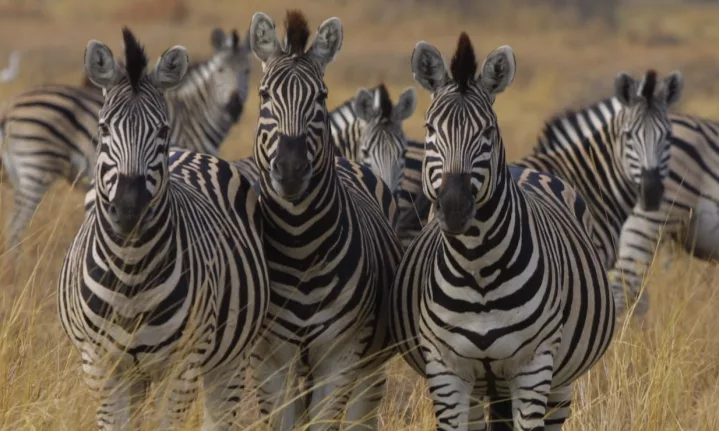
For decades, the Serengeti’s wildebeest migration overshadowed another remarkable journey. Scientists have since confirmed that Botswana’s zebra migration is the longest terrestrial migration in Africa.
Thousands of plains zebras travel hundreds of kilometres between the Chobe River floodplains, the Okavango Delta, Nxai Pan National Park and the Makgadikgadi salt pans, following seasonal rains that bring fresh grazing.
Unlike the Serengeti, Botswana’s migration unfolds across quieter landscapes, rewarding visitors with intimate safari experiences and dramatic scenery ranging from lush wetlands to shimmering white salt pans.
South Africa’s sardine run
View this post on Instagram
The ocean’s greatest feeding spectacle
Every winter, usually between May and July, billions of sardines move northwards along South Africa’s Wild Coast in one of the planet’s largest marine migrations.
The sardine run transforms the coastline into a feeding frenzy as common dolphins herd the fish into bait balls while sharks, Cape fur seals, whales and thousands of Cape gannets converge to feast.
For divers, snorkellers and wildlife enthusiasts, few marine experiences compare to witnessing predators hunting in coordinated waves beneath the ocean’s surface.
Even those watching from boats or coastal viewpoints may be lucky enough to see whales breaching offshore or seabirds diving dramatically into the sea.
Flamingo movements across East Africa
View this post on Instagram
Following the lakes that sustain millions of birds
East Africa’s flamingos are constantly on the move, tracking changing water levels and algae blooms across the region’s alkaline lakes.
One of the most important sites is Tanzania’s Lake Natron, the world’s most significant breeding ground for lesser flamingos. During the breeding season, vast numbers gather here before dispersing to lakes across Kenya’s Rift Valley and beyond as environmental conditions change.
Depending on rainfall, travellers may witness enormous pink flocks covering entire shorelines, creating one of Africa’s most colourful wildlife spectacles.
Elephant migrations across the Kavango-Zambezi region
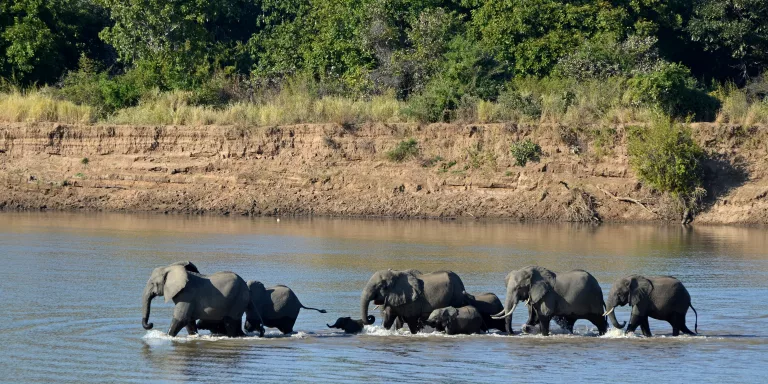
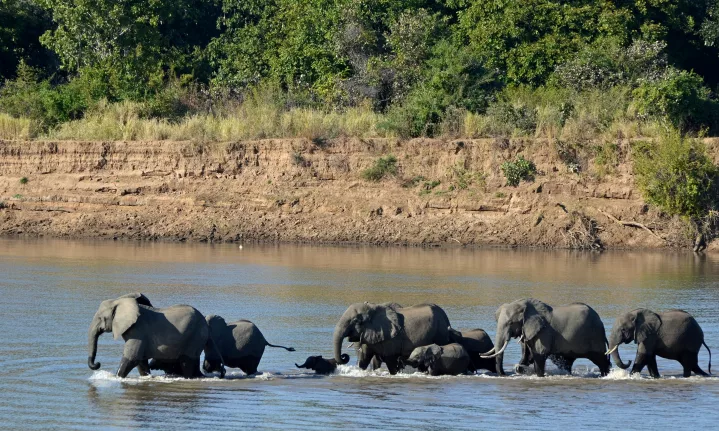
Elephants crossing the Luangwa River, South Luangwa National Park, Zambia/Geoff Gallice/Wikimedia Commons
Giants following ancient pathways
Stretching across Angola, Botswana, Namibia, Zambia and Zimbabwe, the Kavango-Zambezi (KAZA) Transfrontier Conservation Area protects the world’s largest network of connected elephant habitats.
Rather than remaining in one country, many elephant herds undertake seasonal movements across international borders in search of fresh vegetation and reliable water sources. These ancient routes have been used for generations and are becoming increasingly important as conservation efforts reconnect fragmented landscapes.
Visitors exploring parks such as Chobe National Park, Bwabwata National Park, Hwange National Park and Zambia’s Sioma Ngwezi National Park may witness these cross-border movements throughout the year.
Liuwa Plain’s wildebeest migration, Zambia
A quieter alternative to the Serengeti
Western Zambia’s remote Liuwa Plain National Park hosts Africa’s second-largest wildebeest migration, yet it remains one of the continent’s least-visited safari destinations.
As seasonal rains transform the floodplains, tens of thousands of blue wildebeest spread across the grasslands, accompanied by zebras and watched closely by spotted hyenas, cheetahs and lions.
The park’s open landscapes, dramatic storm-filled skies and small visitor numbers create an authentic wilderness experience that feels worlds away from more famous safari destinations.
Why these migrations are important
Wildlife migrations are among Africa’s greatest natural wonders, connecting ecosystems across thousands of kilometres and sustaining healthy landscapes. They also remind travellers that some of the continent’s most extraordinary experiences lie beyond its most famous destinations.
Whether you’re watching millions of bats take flight in Zambia, witnessing zebras traverse Botswana’s salt pans or diving alongside predators during South Africa’s sardine run, these seasonal journeys reveal Africa at its wildest and most dynamic.
Follow us on social media for more travel news, inspiration, and guides. You can also tag us to be featured.
Instagram | Facebook | Twitter | Spotify
ALSO READ:
Into the winter woods: South African forests that deserve a spot on your cold-weather itinerary




.jpg)