From some of the oldest rocks on Earth to the caves where our earliest ancestors once lived, South Africa is home to places that have shaped both human history and the natural world. They’re the kinds of destinations that leave you standing still for a moment, taking in the fact that you’re somewhere truly remarkable.
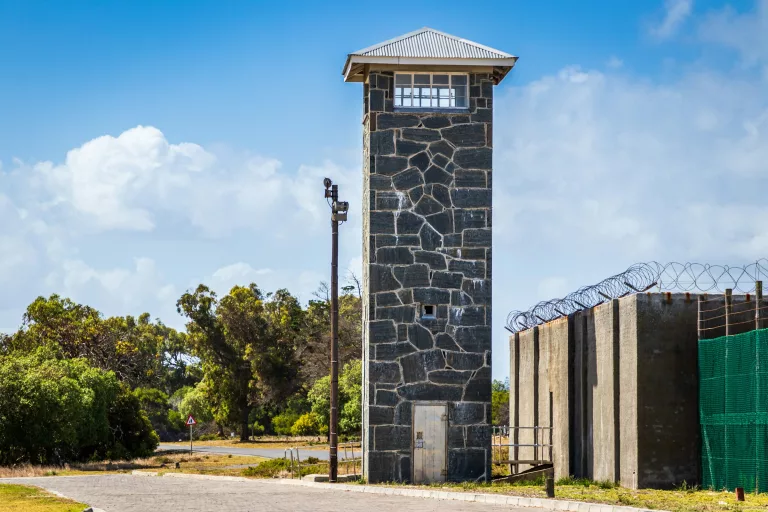
Photo: Unsplash
UNESCO has recognised 12 World Heritage Sites in South Africa, each celebrated for its outstanding cultural or natural significance. Some are world-famous, while others are tucked away, waiting to surprise curious travellers.
Here’s every UNESCO World Heritage Site in South Africa and why each one deserves a spot on your bucket list.
What is a UNESCO World Heritage Site?
A UNESCO World Heritage Site is a place considered so valuable that it’s protected for future generations. Sites are chosen because of their cultural, historical, scientific or natural importance, making them some of the most significant places on the planet.
South Africa’s collection includes dramatic mountain ranges, ancient fossil sites, biodiversity hotspots and landmarks that tell the story of the country’s journey to democracy.
1. Fossil Hominid Sites of South Africa
Often associated with the Cradle of Humankind, this World Heritage Site actually includes several fossil-rich locations across South Africa. Together, they’ve revealed some of the world’s most important discoveries about early human evolution.
Where: Gauteng, Limpopo and North West
Don’t miss:
- The interactive Maropeng Visitor Centre
- Exploring the Sterkfontein Caves
- Learning about famous discoveries such as ‘Mrs Ples’ and ‘Little Foot’
Did you know? Some fossils found here are more than 3 million years old.
2. iSimangaliso Wetland Park – Maputo National Park
With beaches, wetlands, lakes, coral reefs, forests and Africa’s largest estuarine system, it’s easy to see why iSimangaliso earned UNESCO recognition. The recent extension to include Mozambique’s Maputo National Park has strengthened conservation across this incredible coastal ecosystem.
Where: Northern KwaZulu-Natal and southern Mozambique
Did you know? The name iSimangaliso means “miracle and wonder” in isiZulu.
3. Robben Island
A short ferry ride from Cape Town takes you to one of South Africa’s most powerful historical landmarks. Best known as the prison where Nelson Mandela spent 18 years of his imprisonment, Robben Island tells the story of resilience, sacrifice and the fight for freedom.
Where: Table Bay, Western Cape
Don’t miss:
- Mandela’s prison cell
- The limestone quarry
- Guided tours led by former political prisoners
4. Maloti-Drakensberg Park
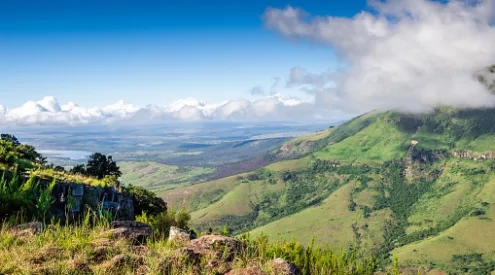
Towering basalt cliffs, rolling grasslands and thousands of ancient San rock art paintings make this one of South Africa’s most spectacular landscapes. Shared with Lesotho, the park is recognised for both its breathtaking scenery and cultural significance.
Where: KwaZulu-Natal and Lesotho
What to do:
- Hike to panoramic viewpoints
- Visit rock art sites
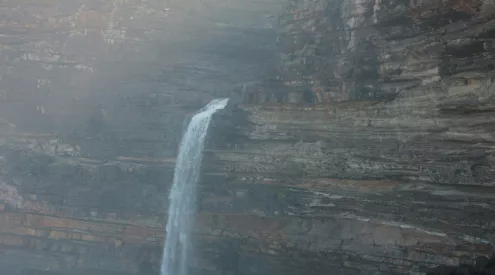
- Photograph Tugela Falls
- Go birdwatching
Did you know? The park contains one of the largest collections of San rock art anywhere in the world.
5. Mapungubwe Cultural Landscape
Long before modern cities existed, Mapungubwe was the centre of a sophisticated African kingdom. Archaeological discoveries here have transformed our understanding of early southern African civilisations.
Where: Limpopo
Don’t miss:
- Mapungubwe Hill
- Archaeological displays
- Game drives through the national park
Did you know? The famous Golden Rhino was uncovered here in 1932.
6. Cape Floral Region Protected Areas
The Cape Floral Region is one of the world’s richest plant kingdoms despite covering a relatively small area. It’s home to thousands of plant species, many of which occur nowhere else on Earth.
Where: Western Cape and Eastern Cape
Best experiences:
- Spring flower spotting
- Hiking through fynbos-covered mountains
- Visiting botanical gardens
- Photographing proteas in bloom
Did you know? Nearly 70% of the plant species found here are endemic.
7. Vredefort Dome
You might not realise you’re standing inside one of the world’s largest and oldest meteorite impact structures, but that’s exactly what makes the Vredefort Dome so fascinating.
Around two billion years ago, a massive meteorite struck Earth here, forever changing the surrounding landscape.
Where: Free State and North West
What to do:
- River rafting on the Vaal
- Hiking
- Geological tours
- Scenic drives
8. Richtersveld Cultural and Botanical Landscape
Remote, dramatic and unlike anywhere else in South Africa, the Richtersveld celebrates both extraordinary desert biodiversity and the centuries-old traditions of the Nama people.
Where: Northern Cape
Did you know? The Richtersveld is part of the Succulent Karoo, one of only two arid biodiversity hotspots on Earth.
9. ǂKhomani Cultural Landscape
Stretching across the southern Kalahari, this cultural landscape honours the traditions, knowledge and heritage of the ǂKhomani San people, whose connection to the desert spans generations.
Where: Northern Cape
What makes it special?
It’s one of the few places where an ancient way of life and deep cultural traditions remain closely connected to the landscape itself.
10. Barberton Makhonjwa Mountains
If rocks could talk, these would have billions of years’ worth of stories to tell. The Barberton Makhonjwa Mountains contain some of Earth’s oldest exposed rocks, helping scientists understand what our planet looked like long before dinosaurs, plants or even complex life existed.
Where: Mpumalanga
Did you know? Some rock formations here date back around 3.5 billion years.
11. Human Rights, Liberation and Reconciliation: Nelson Mandela Legacy Sites
South Africa’s newest cultural World Heritage Site links several locations central to Nelson Mandela’s life and the country’s struggle for democracy. Together, these places tell a story of courage, resistance and reconciliation.
Where: Various locations across South Africa
Expect to visit:
- Historic political landmarks
- Museums
- Former prisons
- Sites connected to South Africa’s democratic transition
12. The Emergence of Modern Human Behaviour: The Pleistocene Occupation Sites of South Africa
The newest addition to South Africa’s UNESCO list shines a spotlight on archaeological sites that reveal how early humans developed behaviours we still recognise today, including symbolic thinking, creativity and advanced tool-making.
Where: Diepkloof Rock Shelter, Pinnacle Point Site Complex, and Sibhudu Cave (Western Cape and KwaZulu-Natal)
These coastal cave sites have helped researchers better understand how modern humans evolved and adapted tens of thousands of years ago.
ALSO SEE: Rare ‘living stone’ plant in Namibia on the brink of extinction
Rare ‘living stone’ plant in Namibia on the brink of extinction