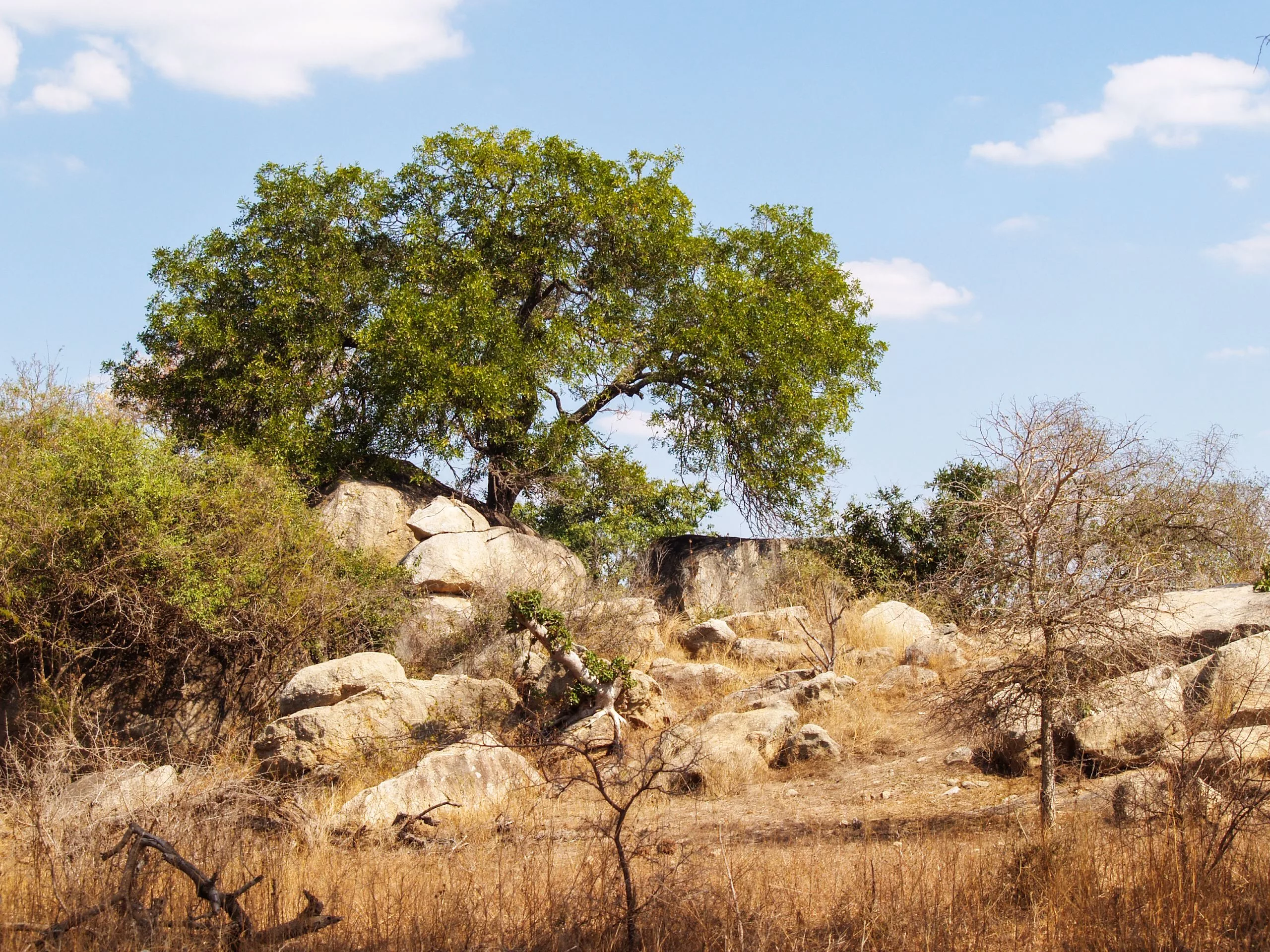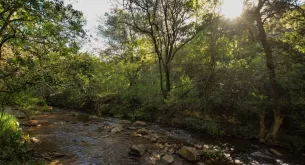



Planning 48 hours in Tulbagh is less about ticking off attractions and more about embracing the slower pace of one of the Western Cape’s most charming valleys. Surrounded by the Obiqua, Winterhoek and Witzenberg mountains, Tulbagh combines award-winning wineries, rich heritage, scenic landscapes and warm country hospitality, making it an ideal weekend escape from Cape Town.
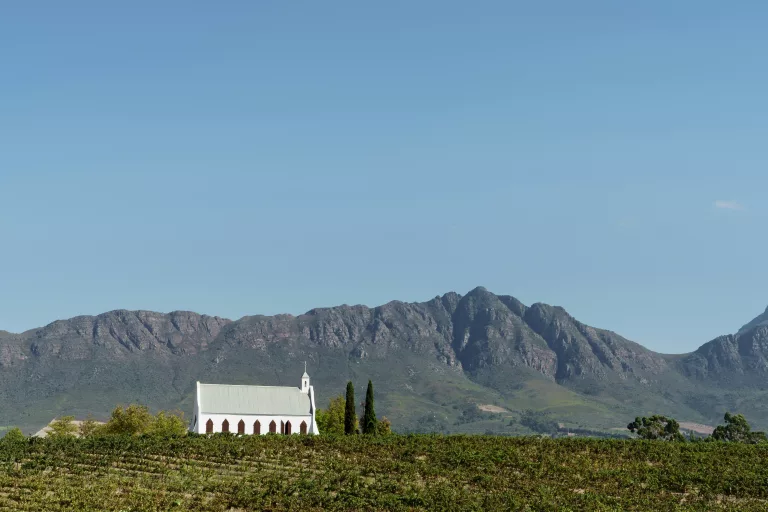
Photo by Brent Ninaber / Unsplash
Historic streets, award-winning wineries, olive groves, mountain trails and small-town hospitality come together in a destination that rewards travellers who are happy to wander rather than rush.
While many visitors arrive for the wine, Tulbagh’s greatest appeal lies in its balance. You can spend the morning walking through centuries of history, the afternoon sipping wine with mountain views, and the evening under some of the clearest star-filled skies in the Cape. If you have just 48 hours, here is how to make every one of them count.
A town shaped by history
Long before European settlers arrived, the fertile valley was home to Khoikhoi communities who grazed livestock across the region. European exploration reached the valley in 1658, when surveyor Pieter Potter mapped the area on behalf of Jan van Riebeeck. The first farming families settled here towards the end of the 17th century, and the settlement gradually expanded around the church built in 1743.
The valley was originally known as Land van Waveren before the town was named after Ryk Tulbagh, Governor of the Cape between 1751 and 1771. During the early colonial years, Tulbagh served as one of the last major stopping points for travellers and trekkers heading north into South Africa’s interior.
Today, Tulbagh is perhaps best known for its beautifully restored Church Street. In September 1969, a powerful earthquake measuring 6.3 devastated much of the town, destroying many of its historic buildings. Rather than replacing them with modern structures, a remarkable restoration project carefully rebuilt the damaged Cape Dutch, Victorian and Edwardian buildings. The result is one of the largest concentrations of restored heritage buildings on a single street anywhere in South Africa, giving modern visitors the rare opportunity to step back into the country’s architectural past.
Day one
Morning: Walk through living history
There is no better place to begin than Church Street. Lined with whitewashed Cape Dutch buildings, elegant Victorian homes and carefully preserved museums, it feels less like an ordinary main road and more like an open-air museum. Take your time exploring the Tulbagh Museum Complex, where several historic buildings tell the story of the valley’s earliest settlers, agricultural roots and cultural heritage. If you want to better understand the town’s defining moment, the Earthquake Museum offers a moving look at the destruction caused in 1969 and the remarkable restoration that followed.
Afternoon: Wine with a view
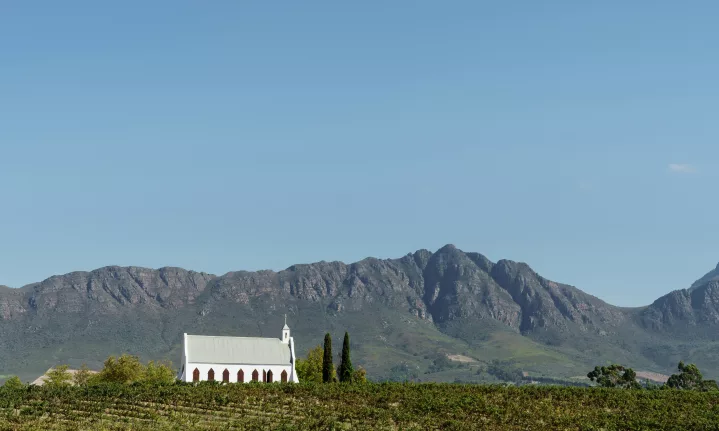
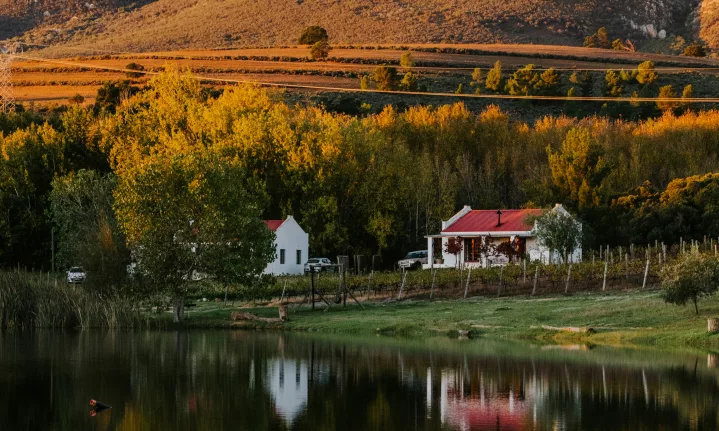
Tulbagh may not attract the same crowds as Stellenbosch or Franschhoek, but that is exactly part of its charm. The valley is home to several highly regarded wine estates producing everything from bold reds to elegant sparkling wines. Many estates offer relaxed tastings overlooking vineyards framed by dramatic mountain ranges. Several also pair local wines with olives, cheeses or seasonal produce, making lunch an experience rather than simply a meal.
Evening: Slow evenings done properly
As the valley quietens, Tulbagh settles into an atmosphere that feels refreshingly unhurried. Book dinner at one of the town’s intimate restaurants before ending the evening outside beneath remarkably dark skies. With very little light pollution, stargazing often becomes an unexpected highlight of any stay.
Day two
Morning: Explore the outdoors
Tulbagh’s mountain setting naturally lends itself to adventure. Hiking trails wind through indigenous fynbos, vineyards and nature reserves, while mountain biking routes range from gentle farm roads to more technical terrain. If you prefer something slower, many visitors simply enjoy walking between olive farms, boutique shops and cafés while taking in the mountain scenery that surrounds the valley on all sides.
Afternoon: Discover local flavours
Before heading home, spend time exploring some of Tulbagh’s local producers. Olive oils, preserves, fresh fruit and artisan products reflect the valley’s long agricultural tradition, while seasonal farm stalls provide a taste of what is grown nearby. Depending on the time of year, visitors may also encounter local festivals celebrating wine, olives, harvest season or Christmas in Winter, adding another layer to an already memorable weekend.
When to visit
Tulbagh is a year-round destination, but each season offers something different. Spring transforms the surrounding landscapes into shades of green with nearby wildflowers beginning to bloom, while summer brings long vineyard lunches and outdoor adventures. Autumn paints the vineyards in warm colours before winter arrives with roaring fireplaces, mountain mist and cosy wine tastings that feel made for colder days.
Why Tulbagh deserves a weekend
Some destinations impress with endless attractions. Tulbagh does something quieter. It invites you to linger. Its history is visible in every carefully restored building, its landscape encourages you to spend more time outdoors, and its wineries, cafés and guesthouses remind you that slowing down can be just as rewarding as ticking sights off a list. For travellers looking to escape the city without driving for hours, Tulbagh proves that 48 hours can be enough to leave feeling completely recharged, and perhaps already planning your next visit.
Follow us on social media for more travel news, inspiration, and guides. You can also tag us to be featured.
Instagram | Facebook | Twitter | Spotify
ALSO READ:
10 quaint and quiet towns worth exploring in the Western Cape