
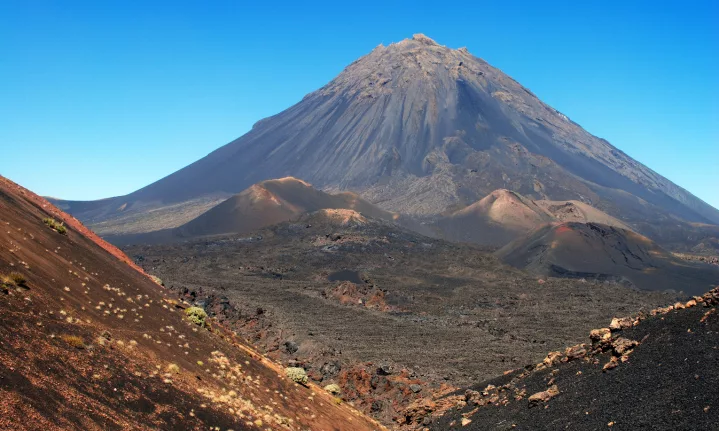
Fogo is a Cape Verde island shaped by fire, from the colourful sobrados of São Filipe to the black lava fields beneath Pico do Fogo. Its capital makes an ideal base for exploring an island where coffee, vineyards and volcanic landscapes are part of everyday life.
Over 48 hours, explore São Filipe’s historic streets before heading into Chã das Caldeiras, where the 2,829m-high Pico do Fogo rises from the island’s vast volcanic landscape.
The historic centre is also on Cape Verde’s UNESCO Tentative List, adding another layer to a destination that feels far removed from the country’s better-known beach escapes.
Day 1: Discover São Filipe

São Filipe, Fogo Island, Cape Verde/By: Iacob MADACI/iStock Editorial
Morning: Walk through the city of sobrados
Start in São Filipe’s historic centre, where the town’s distinctive sobrados provide an immediate introduction to Fogo’s past.
These mostly two-storey buildings are among the defining features of the city. Their colourful façades, balconies and architectural details reflect the wealth accumulated by local landowners and merchants during the island’s agricultural and trading periods.
The municipality’s São Filipe Smart Tour begins at Praça das Bandeiras and leads visitors through the historic centre, with information about the buildings, streets and monuments along the way.
Take your time. This is not a city to rush through with a checklist. Look upwards at the wooden balconies and painted façades, then down the quieter streets where everyday life continues around these historic buildings.
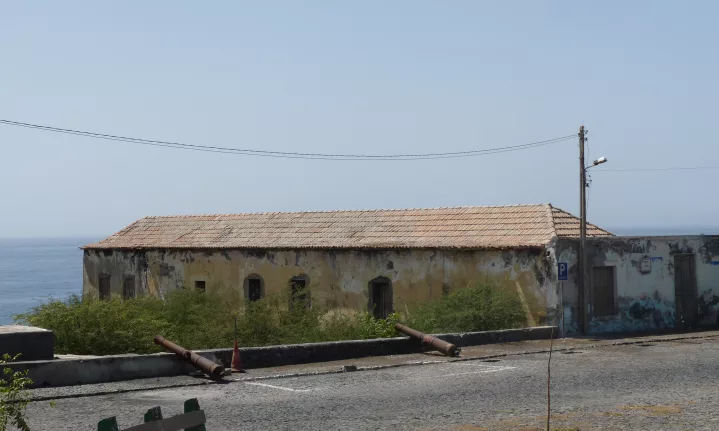
Stop at Fortim Carlota
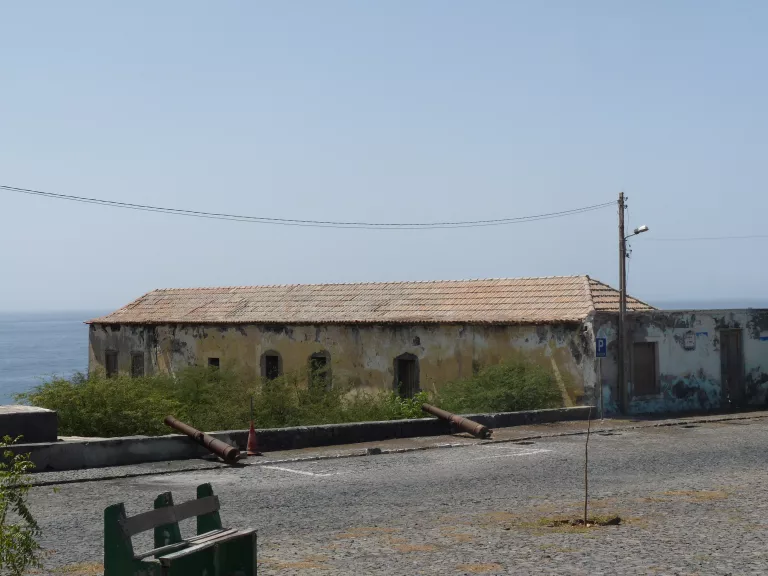
Fortim Carlota/Ji-Elle/Wikimedia Commons
Include Fortim Carlota on your morning walk. The small fort has had several lives since it was built in the 17th century, including periods as a customs post, hospital, police station and prison. Its changing role mirrors the history of São Filipe itself.
The fort is also a reminder that Fogo’s history is not simply one of beautiful architecture. São Filipe’s prosperity was closely connected to colonial trade, agriculture and the exploitation of enslaved people, an important part of the island’s history that deserves acknowledgement alongside its architectural heritage.
Afternoon: Follow Fogo’s coffee trail
By afternoon, turn your attention from buildings to agriculture.
Fogo’s coffee is grown principally in the greener, higher areas around Mosteiros, where coffee has been cultivated for around two centuries. The island’s volcanic terrain and varied microclimates have helped create the conditions for its distinctive coffee production.
A trip towards the Mosteiros coffee-growing areas adds another dimension to São Filipe’s story. Instead of simply drinking a cup of Café do Fogo in town, you get to see the landscapes that produce it.
If your visit coincides with harvest season, usually around February to April, the experience becomes even more interesting. The annual Fogo Coffee Festival is held in Mosteiros around the harvest and celebrates local coffee, food, music and culture.
Back in São Filipe, look for locally produced coffee to take home. Fogo coffee is available roasted, ground or as whole beans, while local businesses also offer traditional preparation and roasting experiences.
Late afternoon: Look towards the Atlantic
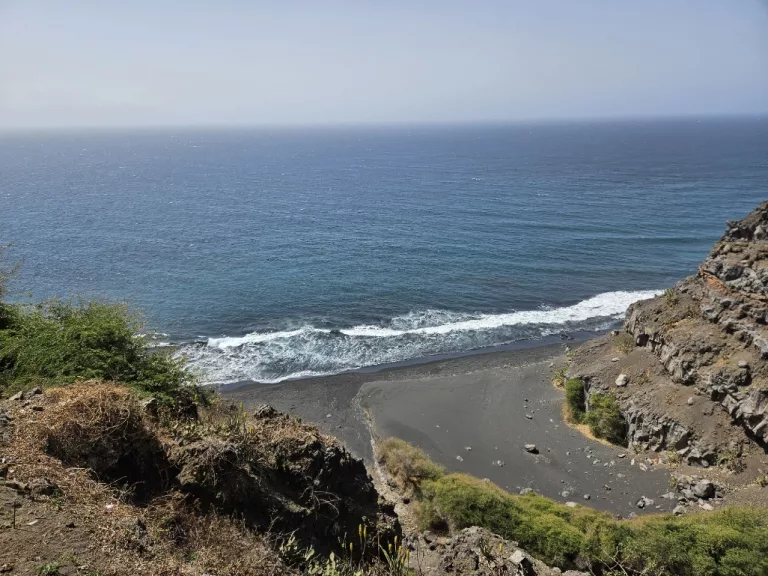
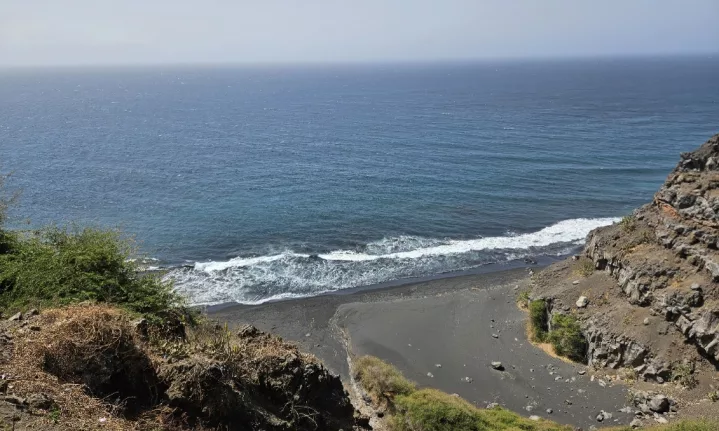
Praia de Fonte Bila, em São Filipe, Ilha do Fogo, Cabo Verde/GualdimG/Wikimedia Commons
Return to São Filipe before sunset and head towards the town’s elevated viewpoints.
The city sits above the Atlantic, giving you a different perspective of Fogo’s geography. Below are the dark volcanic shores; behind you, the island rises towards its mountainous interior.
For a beach stop, Praia de Fonte Bila provides a striking stretch of black volcanic sand close to São Filipe, although Fogo is better suited to exploring than to a conventional beach holiday.
As the sun drops, the town’s colourful buildings take on warmer tones and the Atlantic becomes the backdrop.
ALSO READ:
Barberton: Where gold rush history meets the oldest rocks on Earth
Day 2: Enter the volcano
Cayambe/Wikimedia Commons
Morning: Drive towards Chã das Caldeiras
Leave São Filipe early and head inland.
The landscape changes dramatically as the road climbs towards Fogo’s interior. Dry coastal scenery gives way to higher slopes before the enormous volcanic caldera opens up.
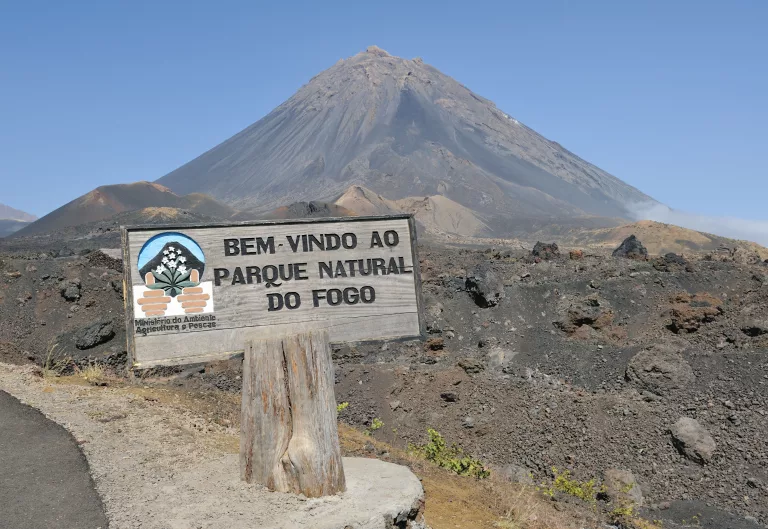
Chã das Caldeiras lies within the crater landscape and forms the heart of Fogo National Park. The park covers about 8,469 hectares across the island’s three municipalities and includes the caldera, Pico do Fogo and the Monte Velha forest area.
This is where Fogo stops feeling like a conventional island destination.
Black lava stretches across the landscape. Small farms appear against the volcanic slopes. Green vines emerge from dark soil. The scale of the crater makes the settlements look tiny beneath the mountain.
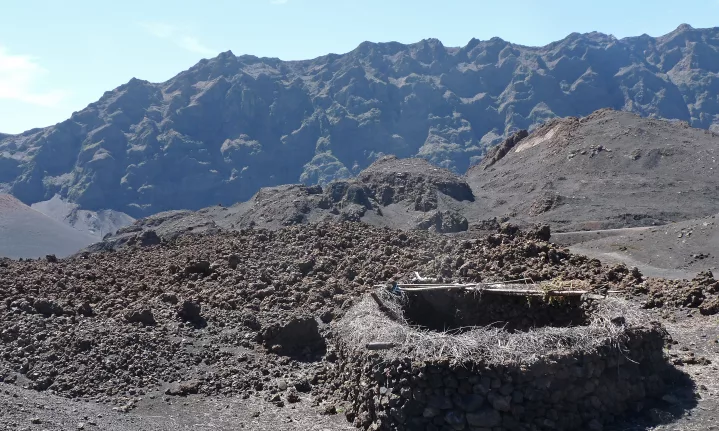
Explore the landscape around Chã das Caldeiras
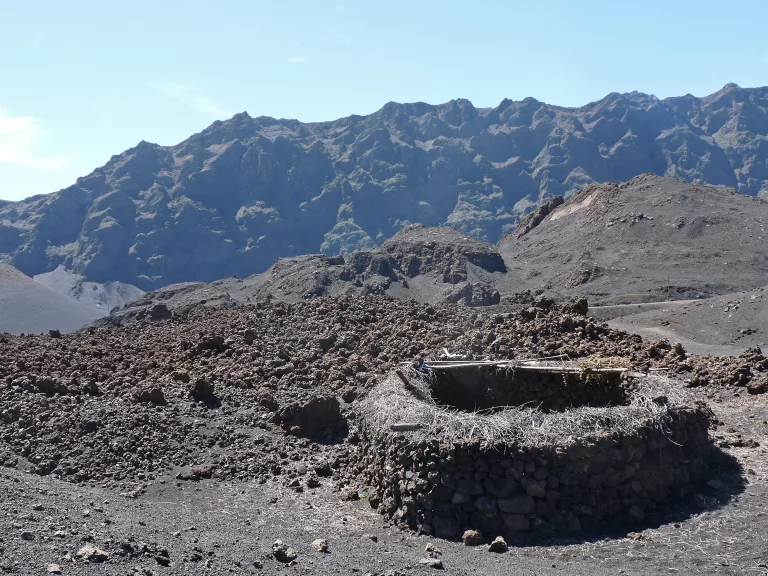
Chã das Caldeiras/Ji-Elle/Wikimedia Commons
You don’t have to climb Pico do Fogo to experience the volcano.
Local walks around Chã das Caldeiras reveal how people have adapted to living and farming in this extraordinary environment. Agriculture and livestock remain important to communities in the park, alongside the growing tourism economy.
Look out for vineyards, fruit trees and traditional agricultural plots growing in the volcanic landscape. Wine, coffee, goat cheese and fruit are among the products associated with Fogo.
The contrast is one of the island’s most memorable details: black lava beside green vines, and centuries-old agricultural traditions beneath an active volcano.
Lunch: Taste the island
Make lunch part of the experience rather than simply a break between activities.
Try local produce where available, including goat cheese, fruit, maize-based dishes and Fogo wine. The island’s food traditions are closely connected to what can be grown in its different microclimates.
Wine production on Fogo dates back centuries, while the vineyards around Chã das Caldeiras have become one of the clearest examples of how agriculture has adapted to the volcanic environment.
Afternoon: Face Pico do Fogo
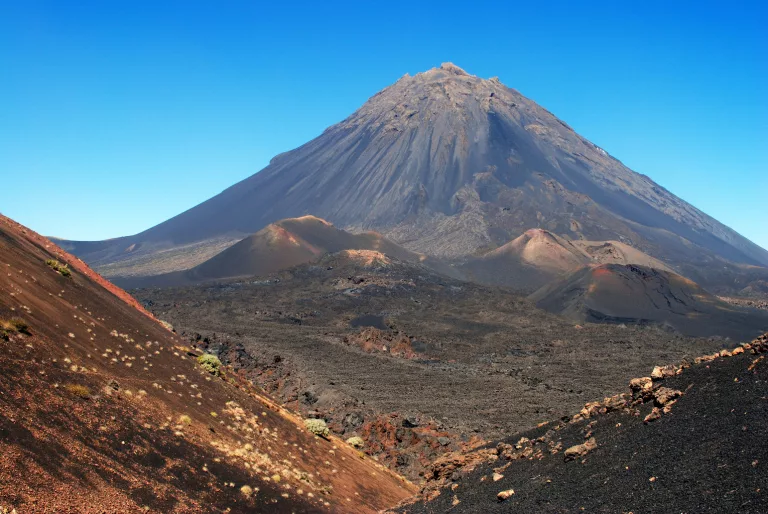
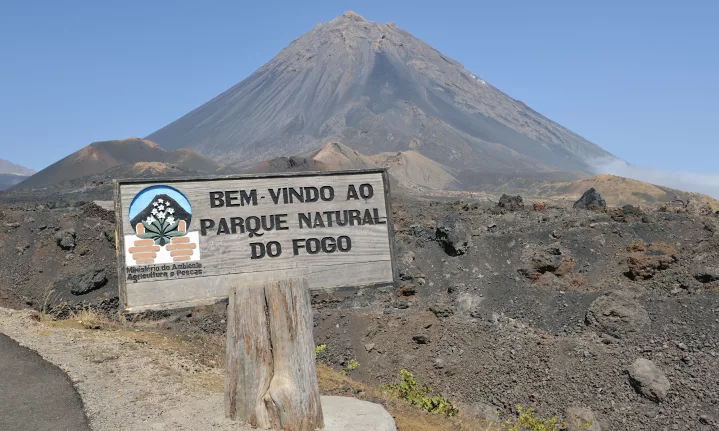
Pico do Fogo volcano in Cape Verde/Pascal Givry/Wikimedia Commons
Then comes the defining view of the trip.
At 2,829m, Pico do Fogo is the highest point in Cape Verde and the country’s only active volcano. The mountain rises dramatically from Chã das Caldeiras, its dark volcanic cone contrasting with the agricultural landscape below.
Experienced hikers can arrange a guided ascent of the peak. It is not a casual walk: the climb involves significant elevation gain and loose volcanic terrain, so it should be undertaken with an accredited local guide and appropriate equipment.
For everyone else, exploring the lower slopes and caldera is enough. You can walk among lava formations, visit farming communities and photograph the mountain without attempting the summit.
The volcano’s most recent eruption, in 2014, dramatically reshaped parts of the caldera. Today, the landscape remains a powerful reminder that Fogo is not simply named after fire – it is an island still shaped by it.
Evening: Return to São Filipe
Make the journey back to São Filipe in the late afternoon or evening, depending on your activities.
The descent offers one final change in scenery, from the high, cool volcanic interior towards the warmer coastal capital. Fogo has pronounced climate differences with altitude, and Chã das Caldeiras can become surprisingly cold at night compared with São Filipe.
End your 48 hours with dinner in town and one last cup of Fogo coffee.
It is an appropriate end to a short trip that has taken you from Portuguese-influenced architecture to agricultural landscapes and, finally, into the crater of an active volcano.
What makes São Filipe worth the trip?
São Filipe works because it gives Fogo a human scale.
The volcano may be the island’s headline attraction, but the town explains how people have lived with this landscape. Its sobrados tell stories of wealth, trade and colonial history. Its markets and restaurants connect visitors with contemporary island life. Coffee and wine reveal what can grow in volcanic soil. And the journey into Chã das Caldeiras shows how communities continue to farm beneath one of Cape Verde’s most powerful natural landmarks.
Before you go
Fogo is best approached as a destination for travellers who enjoy walking, scenery, food and culture rather than a resort-style holiday. Accommodation is generally locally run, and the island’s tourism infrastructure is more limited than on Cape Verde’s major beach destinations.
If you plan to climb Pico do Fogo, arrange a local guide in advance and check current conditions before setting out. Weather can change significantly with altitude, and temperatures in Chã das Caldeiras can be much lower than those on the coast.
Pack sturdy walking shoes, sun protection, water and a warm layer for the highlands.
Most importantly, leave enough room in your itinerary to slow down. São Filipe rewards wandering, while Fogo’s volcanic interior deserves more than a quick photograph from a vehicle window.
Follow us on social media for more travel news, inspiration, and guides. You can also tag us to be featured.
Instagram | Facebook | Twitter | Spotify
ALSO READ:
Pilgrim’s Rest: Where South Africa’s gold-rush past still lingers

.jpg)


