


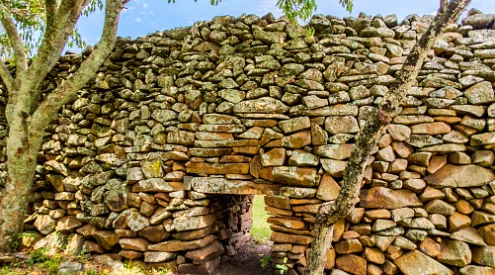

There are few places in South Africa where the scenery changes so dramatically over such a short distance. In the space of three days, a road trip through Limpopo’s Magoebaskloof and Tzaneen region can take you from cool mountain grasslands and misty forests to waterfalls, farms, orchards and the warmer landscapes of the Lowveld.
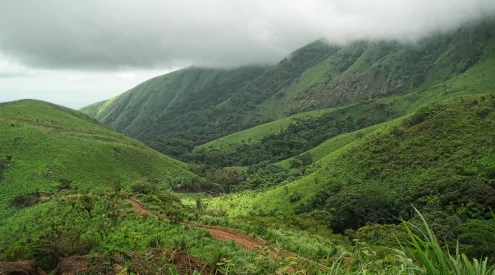
Known as the Land of the Silver Mist, Magoebaskloof and Haenertsburg sit on the northeastern edge of the Drakensberg, with the Wolkberg forming a dramatic backdrop. The area is known for its Afro-montane forests, threatened grasslands, mountain streams and fruit farms.
Spring is an especially good time to make the trip. The mountain climate supports gardens filled with azaleas, cherry trees and other flowering plants, while the landscape begins to turn increasingly green as the warmer, wetter months approach.
Here’s how to spend 72 hours exploring this lush corner of Limpopo.
Day one: Discover Haenertsburg and the mountains
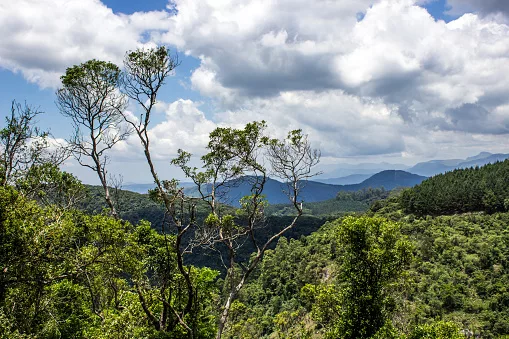
Branches of a tree reaching above the Afromontane forest of Magoebaskloof in South Africa, with the lush green rainforest canopy and distant blue mountains in the background/By: Marieke Peche/iStock
Start in Haenertsburg
Begin your trip in Haenertsburg, the small mountain village beneath Iron Crown Mountain. More than 125 years old, the village grew from the area’s gold-rush history and today has a slower, village-like atmosphere of cafés, restaurants, galleries, bookshops and independent stores.
Spend the morning wandering along its streets before stopping for coffee or breakfast. The village is compact enough to explore on foot, making it an easy introduction to the region before heading into the surrounding countryside.
History buffs can visit the open-air museum and historic sites, while the cemetery above the village provides expansive views over the surrounding landscape.
For something more active, set aside a few hours for the Louis Changuion Hiking Trail. The route passes through Haenertsburg’s grasslands, with shorter and longer options available. The grasslands are particularly significant because Woodbush Granite Grassland is one of Limpopo’s most threatened vegetation types.
Make lunch part of the journey
Food is one of the pleasures of slowing down in Haenertsburg.
The village has several independent places to eat, including Bistro, which serves South African comfort food alongside Mediterranean- and North African-inspired dishes, as well as cakes and pastries.
Alternatively, head towards the farms and make the landscape part of the meal. The surrounding area is increasingly associated with locally grown produce, including berries, avocados and other fruit suited to its cool mountain climate.
Spend the afternoon among the gardens
View this post on Instagram
Spring is when Magoebaskloof’s gardens really earn their place on the itinerary.
The area’s altitude and cool climate allow plants more commonly associated with colder regions to thrive, including azaleas, Japanese maples and cherry trees. Several gardens open to visitors, making a garden stop an easy addition to a road trip.
Kuhestan Gardens is one option, with the 1.5-hectare garden open to visitors in the mornings.
Another seasonal option is Cheerio Gardens, which lists spring celebrations during September and October in the area’s 2026 events calendar.
Sleep in the mountains
Stay overnight around Magoebaskloof rather than continuing to Tzaneen. This gives you more time to experience the cool mountain air and puts you close to the next day’s forest and waterfall stops.
Plenty of accommodation options are scattered around the mountains, from farm stays and cottages to glamping and guesthouses.
ALSO READ:
Chrissiesmeer: The Mpumalanga town surrounded by hundreds of lakes
Day two: Forests, waterfalls and farm country
View this post on Instagram
Walk beneath the trees
Start the second morning in the indigenous forests of Magoebaskloof.
The Woodbush Forest Reserve is a major draw for birders and nature lovers. The forest is home to a variety of forest birds, including the Cape parrot, black-fronted bush-shrike and orange ground-thrush.
You don’t need to be an expert birder to enjoy the experience. The combination of towering trees, mossy forest floor, streams and birdsong makes this one of the area’s most atmospheric landscapes.
For a shorter walk, the Swartbos Trail passes through indigenous forest and includes features such as the Cathedral Tree and viewpoints over the surrounding valleys.
If you’re travelling with a keen birdwatcher, consider hiring a local guide. The forest’s birds are easier to hear than to see, so local knowledge is especially useful.
Chase a waterfall at Debengeni
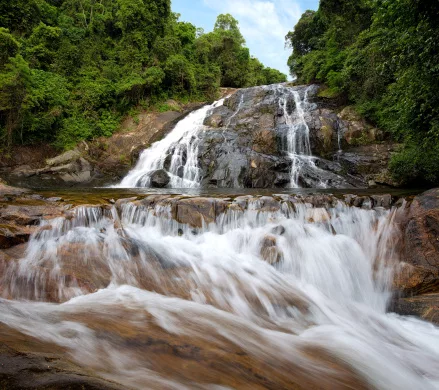
Debengeni Falls in Magoebaskloof/By: Paul Bruins Photography/Getty Images
From the forest, make your way towards Debengeni Falls, one of Magoebaskloof’s signature natural attractions.
The waterfall drops through the forested landscape and has a picnic area, making it a straightforward stop for a morning or afternoon outdoors. The tourism association currently lists the site as open daily from 08:00 to 17:00, with an entrance fee of R50 per person. Check before travelling as operating details can change.
The route to the waterfall also gives you a chance to experience the area’s forest scenery rather than simply arriving at a viewpoint and leaving again.
Add a farm stop
Magoebaskloof’s agricultural character is another reason to linger.
At Wegraakbosch Farm, a family-run mountain farm, visitors can experience locally made cheese produced using traditional methods.
You can also stop at one of the area’s farm stalls or cafés for fresh produce and something to eat before continuing.
For lunch, Magoebaskloof Farmstall & Cafe sits directly on the R71 and is an easy stop between the mountain attractions.
Add some adventure
View this post on Instagram
If walking and waterfalls aren’t enough, make the afternoon more active with an adventure experience.
Magoebaskloof Adventures offers activities in the dramatic Georges Valley landscape, while the wider area is also known for hiking, mountain biking, canopy tours and other outdoor pursuits.
The gorge is particularly impressive because of the steep cliffs and waterfalls carved into the landscape.
Spend your second night in Magoebaskloof again, or begin the gradual descent towards Tzaneen if you want to maximise your final day.
Day three: Take the pass to Tzaneen
Drive the Magoebaskloof Pass
The final day begins with one of the trip’s best road sections.
The Magoebaskloof Pass winds along the R71 between Haenertsburg and Tzaneen. In roughly six kilometres, the road drops almost 600 metres, taking travellers from the cool mountain country into the warmer subtropical Lowveld.
It’s worth taking this section slowly. Pull over where it is safe to do so, take in the views and watch the vegetation change as you descend.
The contrast is what makes this route so satisfying: one moment you’re surrounded by misty forests and mountain grasslands; soon afterwards, the landscape becomes warmer, greener and increasingly agricultural.
Follow the fruit-growing country

Red berries growing in Tzaneen/By: Drihan Bester / 500px/Getty Images
Tzaneen is the natural finale to the trip.
Where Magoebaskloof is associated with cool-climate crops such as blueberries, raspberries, avocados and kiwifruit, the lower-lying country around Tzaneen has a warmer, subtropical character.
This is the landscape that gives the trip its mountain-and-mango identity: a journey between two very different agricultural worlds separated by a spectacular escarpment.
Spend the afternoon here exploring its surrounding countryside, stopping at farm stalls, restaurants or viewpoints along the way.
Finish beside the water
Make your final stop around Tzaneen Dam if conditions and access allow.
The dam and surrounding landscape provide a quieter ending after two days of walking, waterfalls and mountain roads. It is a chance to sit back and appreciate just how much the landscape has changed since you started in Haenertsburg.
Alternatively, add a wildlife element to the final afternoon with a visit to Agatha Crocodile Ranch, particularly if you’re travelling with children or want to round off the trip with something more interactive.
Why spring is the time to go
A three-day trip through Magoebaskloof, Haenertsburg and Tzaneen works throughout much of the year, but spring adds another layer to the experience.
The mountain gardens burst into colour, the grasslands begin to green up, and the misty conditions return as the region moves towards its wetter season. The local tourism association specifically highlights September and October for the area’s spring gardens.
It is also a season when the journey itself becomes part of the attraction. Rather than ticking off individual sights, you’re watching an entire landscape change as you travel from the highlands to the Lowveld.
Plan your 72-hour escape
Allow at least three days for the route, with a car being the easiest way to connect the villages, forests, waterfalls and farms.
Pack walking shoes, a light rain jacket and layers. Temperatures can vary considerably between the cool mountains and warmer Tzaneen, while mist and rain can change conditions quickly in Magoebaskloof.
Three days is enough to see the highlights, but the landscape is likely to leave you planning a return trip before you’ve even reached Tzaneen.
Follow us on social media for more travel news, inspiration, and guides. You can also tag us to be featured.
Instagram | Facebook | Twitter | Spotify
ALSO READ:
Thomas River: The tiny Eastern Cape village bringing its railway past back to life