






Nearly half of the world’s migratory bird species are now in decline, according to a new global report highlighting the growing threats facing birds during their journeys across continents.
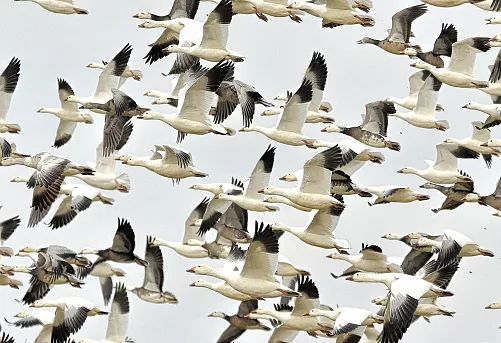
Wild snow geese migrating in a large flock over North Texas/By: Jeff R Clow/Getty Images
BirdLife International’s State of the World’s Birds report found that 45% of migratory bird species are declining, while one in nine species is threatened with extinction.
The findings were presented at the Global Flyways Summit in Nairobi, Kenya, where conservation organisations and governments called for greater international cooperation to protect the habitats birds rely on along their migration routes.
Why migratory birds are under pressure
Migratory birds can travel thousands of kilometres between breeding and feeding grounds, crossing multiple countries and ecosystems along the way.
This makes them particularly vulnerable to changes in the places they depend on.
According to the report, climate change, habitat loss, invasive species and unsustainable hunting are among the major threats to migratory bird populations.
Wetlands, forests, coastal areas and marine habitats all play an important role in providing birds with food and safe places to rest during their journeys.
The loss or degradation of even one of these important areas can affect birds throughout their migration routes.
ALSO READ:
6 South African wildlife experiences that are better on foot
Conservation needs to cross borders
The report was released during the Global Flyways Summit, which brought together conservationists, scientists and leaders to discuss the future of migratory birds.
BirdLife International CEO Martin Harper said the findings were a clear warning, with 45% of migratory bird species now in decline and one in nine facing extinction.
He also pointed to the need for countries to work together, as migratory birds regularly cross international borders during their journeys.
Leaders, scientists and conservation organisations at the summit signed the Nairobi Flyways Declaration, committing to stronger cooperation to protect the wetlands, forests, coastal and marine habitats that migratory birds depend on.
Why it matters for birding and travel
Migratory birds are an important part of many of the world’s natural landscapes, and their seasonal movements are also a major attraction for birdwatchers and nature travellers.
From wetlands and grasslands to coastlines and forests, these habitats provide opportunities to see species that may only pass through an area for part of the year.
For countries along major migration routes, protecting these environments can therefore benefit both wildlife and the people who visit them.
The latest findings highlight how closely connected these destinations are. Protecting a wetland or coastal habitat in one country can form part of a much bigger effort to safeguard birds throughout their migration journeys.
Source: SABC News
Follow us on social media for more travel news, inspiration, and guides. You can also tag us to be featured.
Instagram | Facebook | Twitter | Spotify
ALSO READ:
Southern Africa’s most unique-looking animals and where to find them