
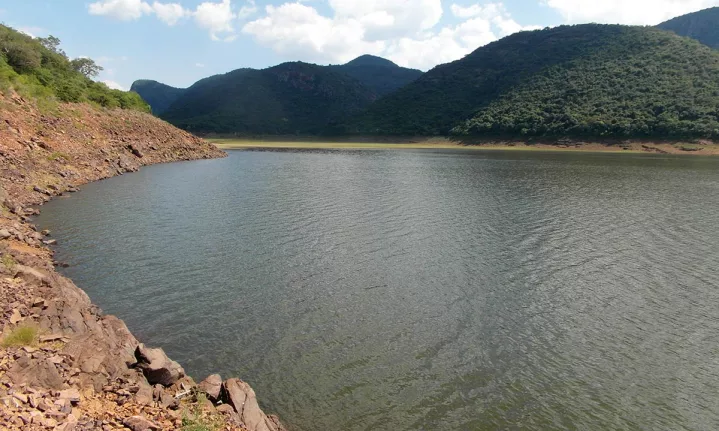
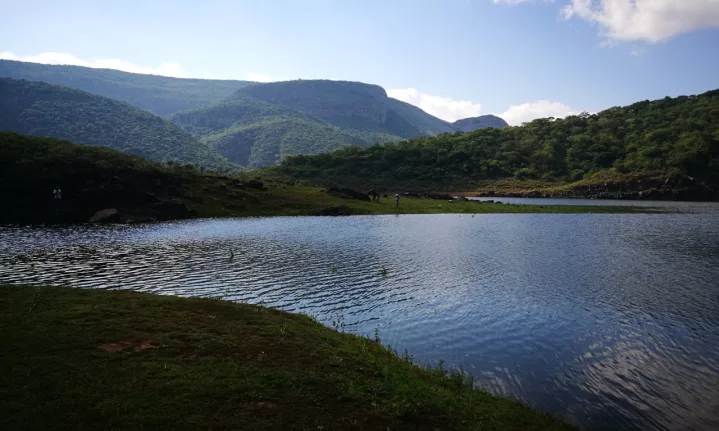
In Limpopo’s Soutpansberg, Lake Fundudzi appears between forested slopes and ancient rock, far removed from the better-known lakes and landscapes of South Africa. It’s small, quiet and remarkably old. But what makes it extraordinary is not only how it was formed but what the lake means to the people who have lived around it for generations.
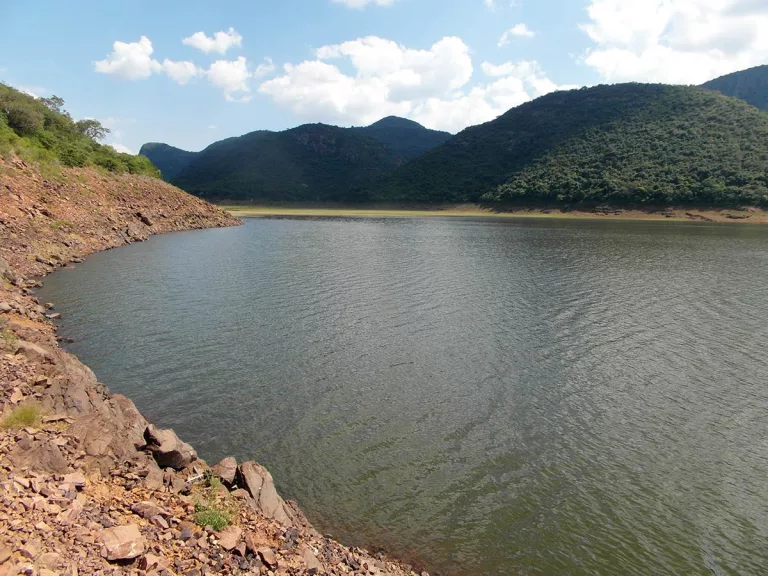
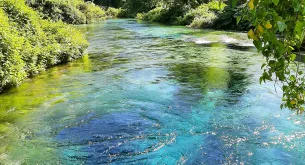
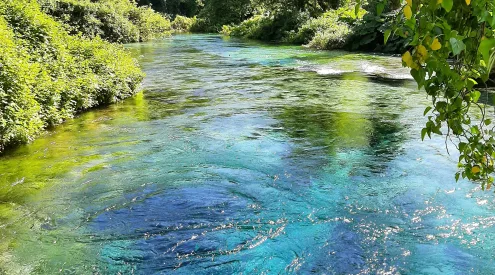
Fundudzi lake / Ntendeni Razwinani / Wikimedia Commons
For the Vhavenda, Fundudzi is sacred.
The lake is associated with ancestors, spirits, fertility and ritual, while its unusual geological origins tell a very different story. Together, the two make Fundudzi one of Limpopo’s most fascinating landscapes.
A lake shaped by the mountains
Fundudzi lies in the upper Mutale River system in the Soutpansberg Mountains. Thousands of years ago, a massive landslide blocked the Mutale River, creating a natural dam behind which the lake formed. Research suggests the event happened roughly 20 000 years ago, with sediment studies indicating that the lake itself is at least 10 000 years old.
Today, the lake covers roughly 140 hectares and stretches for about 3km through the surrounding mountain landscape.
It’s an easy place to imagine as untouched, but Fundudzi has never simply been a geographical feature. Long before travellers began seeking out remote places, the lake already had a story.
Sacred water
Fundudzi is particularly sacred to the Vhatavhatsindi, traditionally regarded as its custodians. Venda oral tradition tells of a traveller who arrived at a village and was refused food and shelter. He cursed the villagers, and a landslide followed, submerging the settlement and creating the lake. Those who died are said to have become spiritual beings connected to its waters.
There are also traditions surrounding a great white python associated with fertility and water. The python is connected to the Domba, the Venda initiation and fertility dance, while another traditional account speaks of a white crocodile guarding ancestral spirits beneath the lake. These are not simply spooky stories to add character to a travel itinerary. They form part of the cultural and spiritual understanding of the landscape. That distinction matters.
When you arrive at Fundudzi, you are not arriving at an empty wilderness waiting to be discovered. You are entering a place that already has meaning.
Where the forest meets the lake
The story becomes even richer beyond the water. Nearby Thathe Vondo Forest is also regarded as sacred, and the forest, rivers, wetlands and lake form part of a wider cultural landscape. Vhavenda traditions have long connected natural features such as forests, waterfalls, rivers and pools with the spiritual world.
Those beliefs have also played a role in protecting the environment. Traditional restrictions around sacred places limited how natural resources could be used, effectively creating a form of conservation long before the language of modern conservation existed.
Today, however, the landscape faces more familiar pressures. Agriculture, forestry, settlement, erosion and sedimentation have all affected the wider catchment, while conservation programmes have worked to rehabilitate parts of the wetland system.
Visiting a sacred landscape
Fundudzi is not the kind of place where you simply arrive, park and wander down to the water. Access has historically been managed through local custodians, and research has documented community concerns about conventional tourism development around the lake.
That makes responsible planning particularly important. Visitors should establish current access arrangements before travelling and, where appropriate, use authorised local guides or engage with local custodians.
More importantly, come with the right mindset. The lake may make for a beautiful photograph, but photography is not the point.
Spend time understanding why the landscape matters. Look at the mountains around the water. Learn about the traditions attached to the lake. Pay attention to the forest and river systems that sustain it. There is a different kind of pleasure in visiting somewhere you cannot simply consume.
The wider Vhembe landscape
Fundudzi sits within the Vhembe region, one of Limpopo’s most biodiverse and culturally significant landscapes.
The Soutpansberg supports a remarkable variety of habitats and endemic species, while nearby sites such as Thathe Vondo Forest and Phiphidi Falls reveal the depth of the relationship between the Vhavenda and the natural world.
Together, they offer a different kind of travel experience. One where the landscape is not simply the backdrop to the trip, but part of the story.
Let the lake be more than a view
Lake Fundudzi is unusual in every sense. It was created by an ancient landslide, survives as a rare natural inland lake and sits within a mountain landscape rich in biodiversity. But its greatest significance cannot be measured in hectares or geological age.
For generations, this has been a sacred place. That changes the way you should look at it.
Fundudzi does not need to be developed into another bucket-list attraction, nor does it need exaggerated legends to make it interesting. It’s story is already remarkable: an ancient lake, a living culture and a landscape where water, forest, ancestry and belief remain closely connected.
Sometimes the most rewarding places are not the ones that give you the most to do. They are the ones that make you pause long enough to understand where you are.
Follow us on social media for more travel news, inspiration, and guides. You can also tag us to be featured.
Instagram | Facebook | Twitter | Spotify
ALSO READ: