




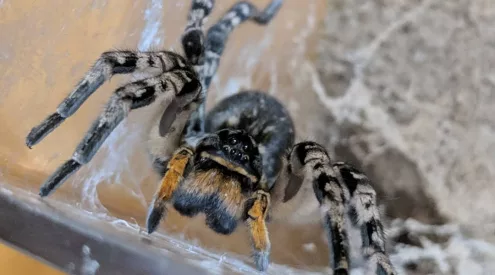

Peruvian authorities have intercepted more than 3,000 tarantulas allegedly destined for the European exotic pet trade, uncovering a wildlife trafficking operation at one of the country’s busiest international airports.
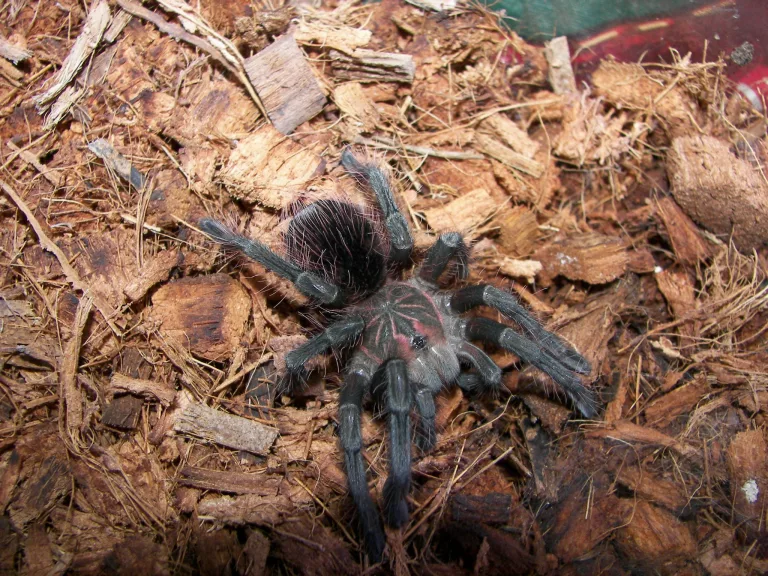
Image of Juvenile Pamphobeteus genus used for illustrative purposes/John/Wikimedia Commons
The spiders were discovered at Jorge Chávez International Airport in Lima on 4 November 2026, concealed inside socks packed into three suitcases. According to Peru’s National Forest and Wildlife Service (SERFOR), the luggage was bound for Germany.
Three European nationals, two German citizens and one Polish citizen, were detained in connection with the discovery. Authorities said one of the suspects was reportedly a well-known tarantula researcher, although their identity has not been made public.
The case is being investigated by the Peruvian National Police’s environmental crimes unit.
Spiders from across Peru found in luggage
The seizure included tarantulas at different stages of development, ranging from eggs and newly hatched spiders to adults.
According to Cora Suárez, a forest and wildlife control technician at SERFOR, the collection appeared to have been carefully assembled to include several different species. Some of the specimens have not yet been scientifically described.
The spiders were allegedly collected from the wild in several Peruvian regions, including Junín, Loreto, Cajamarca, Cusco and La Libertad. Authorities believe they were intended for sale to exotic pet collectors and potentially for research purposes.
Among the confiscated specimens were spiders belonging to the Pamphobeteus genus, which includes some of the world’s largest tarantulas. Certain species can command substantial prices in the international exotic pet market.
The collection also included blue bird eaters (Thrixopelma lagunas) and the Bolivian blue leg bird eater (Pamphobeteus antinous). The latter is classified as vulnerable to extinction on Peru’s national list of threatened wildlife and receives protection under the country’s legislation.
Some of the other specimens are particularly significant to researchers. The Antikuna genus, for example, includes species only recently described by science, while certain Avicularia specimens have yet to be formally identified.
ALSO READ:
The African lungfish that can survive for a year without water
Wildlife trafficking extends beyond larger animals
Although wildlife trafficking is often associated with elephants, rhinos and big cats, the international trade in smaller creatures, including spiders, insects and scorpions, is also raising conservation concerns.
The Peruvian seizure highlights the growing demand for unusual invertebrates in the exotic pet market and the pressure this can place on wild populations. Animals that are rarely encountered by visitors in their natural habitats can become valuable commodities when collectors seek unusual or scientifically significant specimens.
The case also draws attention to gaps in international wildlife trade regulations. While the seized tarantulas were collected in violation of Peruvian national laws, none of the identified species is currently listed under the Convention on International Trade in Endangered Species of Wild Fauna and Flora (CITES).
This distinction can create opportunities for illegally collected wildlife to enter international markets. Experts have warned that species not covered by international protections may still be imported and sold legally in destination countries, even when their collection or export breached regulations in their country of origin.
Sandra Altherr of German wildlife conservation organisation Pro Wildlife told Mongabay that such cases illustrate a recurring problem in the trade between Latin America and Europe. She warned that the absence of appropriate legal safeguards can make wildlife smuggling a relatively low-risk but potentially profitable activity.
What happens to the seized tarantulas?
Authorities are continuing to identify and assess the confiscated spiders. Once the process is complete, they are expected to be transferred to an authorised breeding facility, according to SERFOR.
The operation is another reminder that wildlife conservation extends beyond the protection of large, recognisable animals. Peru’s forests and ecosystems support an extraordinary diversity of species, many of which remain poorly understood by science.
Protecting that biodiversity also means addressing the illegal collection and international trade of smaller creatures that play important roles in their natural environments.
Source: Mongabay, with information from Peru’s National Forest and Wildlife Service (SERFOR)
Follow us on social media for more travel news, inspiration, and guides. You can also tag us to be featured.
Instagram | Facebook | Twitter | Spotify
ALSO READ:
More than 200 tarantulas spotted in Austria in just two months