

In northern Limpopo, the Soutpansberg rises from the surrounding plains in a dramatic landscape of forested mountains, waterfalls, rivers and valleys. On its eastern slopes, the landscape becomes part of the Vhavenda cultural heartland, where natural places intertwine with stories, traditions, and beliefs.
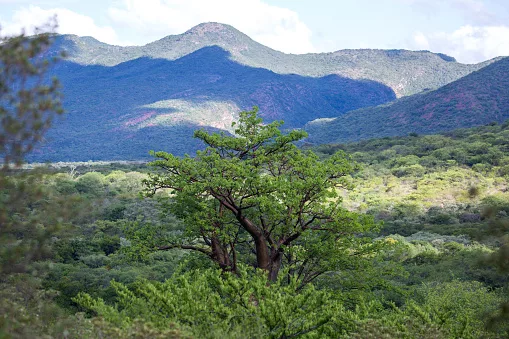
A lone baobab tree in the Soutpansberg Valley, just north of Louis Trichardt/By: Goddard_Photography/iStock
A weekend here can combine mountain walks, wildlife, indigenous forests and waterfalls with visits to historic sites and an introduction to Venda culture. Instead of rushing between attractions, let the landscape set the pace.
Day 1: Mountains, wildlife and waterfalls
View this post on Instagram
Morning: Begin in the Soutpansberg
Use Louis Trichardt, also known as Makhado, as your gateway into the Soutpansberg. The town sits below the mountain range and is a practical base for exploring the surrounding landscape.
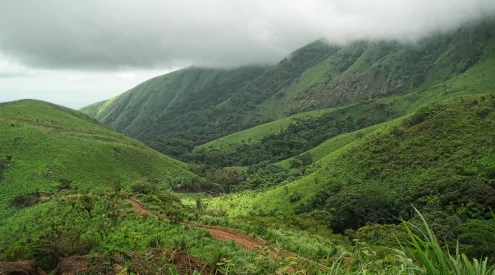
The mountains are the main attraction from the moment you arrive. Their slopes support a remarkable variety of vegetation, from grassland and bushveld to pockets of indigenous forest, while streams and waterfalls cut through the valleys.
For an immersive start, spend the morning walking in the mountains rather than simply driving through them.
One option is Leshiba Wilderness, a private wildlife and ecotourism destination on the Soutpansberg. Its activities include guided walks, mountain biking, wildlife tracking, medicinal-plant experiences and opportunities to see ancient rock art. The reserve is also unusual in that some wildlife can be encountered on foot.
The emphasis here is less about ticking off the Big Five and more about experiencing the mountain environment at walking pace.
Lunch: Eat with a view
Make lunch part of the landscape. Look for a lodge, farm-style restaurant or local eatery where you can linger rather than rushing on to the next stop.
The broader Soutpansberg and Vhembe region is an agricultural area, with crops including bananas, maize and other subtropical produce. Local food is therefore another way of connecting the journey with the landscape rather than treating the mountains as scenery alone.
Afternoon: Follow the water
In the eastern Soutpansberg, the landscape becomes greener and more dramatic as the mountains give way to forests, rivers and waterfalls.
Phiphidi Falls is one of the area’s best-known waterfalls, but it is important to remember that this is more than a scenic picnic stop. The falls are regarded as a sacred place by local communities, so visitors should behave respectfully and follow local guidance. Makhado Municipality’s tourism guide similarly identifies the falls as a sacred site.
Another option is Tshatshingo Potholes, where the Mutale River has carved deep formations into the rock. The potholes form part of a wider landscape of streams, forest and waterfalls and offer a striking contrast to the open mountain scenery of the western Soutpansberg.
Evening: Stay in the mountains
Spend the night somewhere that allows you to experience the Soutpansberg after dark.
There are lodges and guesthouses scattered around the mountains and Vhembe region, ranging from wildlife retreats to smaller, locally run accommodation. A stay near the mountains also means you can begin the second day without spending the morning driving back into the area.
Thathe Dam Lodge, for example, positions itself as a base for exploring Venda’s natural and cultural attractions and offers accommodation decorated with local art and crafts.
ALSO READ:
Day 2: Forests, sacred places and Venda heritage
@vusie.za #SAMA28 #travelplug #mzansi #shotleft #hiddengems #touring #fpyシ #vendas #trendingvideo #limpopotiktokers🥰🥰🥰🥰 #mzansi #traveltok #thohoyandoutiktok #hidden ♬ original sound – nobuhlemusic
Morning: Enter the world of Thathe Vondo
Start the second day in the Thathe Vondo area, where the Soutpansberg becomes particularly lush.
The indigenous forest contains giant hardwoods, ferns, creepers and streams, creating a landscape that feels very different from the drier mountain slopes elsewhere in Limpopo. It is also an important birding environment, with forest species recorded in the area.
But this is a place where visitors need to understand that tourism comes second to cultural significance.
The Thathe Vondo Sacred Forest is sacred to the Venda people and is associated with the burial places of chiefs. Local traditions speak of a white lion and Ndadzi, a mythical lightning bird. Ordinary visitors should not simply enter the forest and explore independently. Access and movement are subject to local customs, and a local guide should be used where access is permitted.
That distinction is part of what makes visiting the area meaningful. The aim is not to conquer or explore every corner of the forest, but to understand why the landscape matters.
Late morning: Look towards Lake Fundudzi
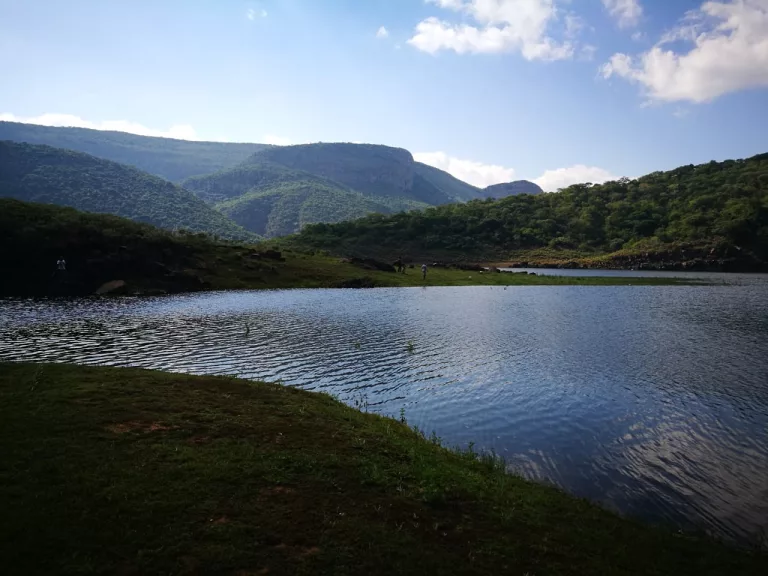
Continue towards Lake Fundudzi, one of the most culturally significant landscapes in the region.
Surrounded by mountains and forest, the lake is deeply connected to Vhavenda beliefs and oral traditions. Stories associate the water with a sacred python and other spiritual beings, while the lake and surrounding landscape remain part of a living cultural heritage rather than simply being an unusual natural feature.
Access around sacred sites can be governed by local customs and permissions, so don’t treat the lake like an ordinary recreational swimming or hiking destination. A local guide or recognised cultural experience can provide context and help visitors understand the appropriate way to experience the area.
The view from the surrounding mountains is also part of the attraction, allowing you to appreciate the relationship between the lake, forest and surrounding Soutpansberg landscape.
Lunch: Discover Venda flavours
By lunchtime, make space for local food and conversation.
The Vhavenda have a rich food culture shaped by the region’s agricultural landscape. Depending on where you stop, look for opportunities to try locally prepared dishes and seasonal produce rather than defaulting to familiar chain restaurants.
A cultural experience can also introduce visitors to local crafts, music, storytelling and traditional ways of life. The Vhembe region promotes its heritage through exactly these connections between landscape, stories, arts and crafts.
The key is to seek out experiences that are community-based and led by local people, particularly when visiting places of cultural significance.
Afternoon: Step back into Venda history
Visit Dzata
Finish the journey with a look at the region’s history at Dzata, associated with the early Venda settlement in the area.
The ruins are an important part of the story of the Vhavenda in northern Limpopo, with the remains of stone structures providing a physical link to the region’s past. South African Tourism identifies Dzata as the remains of the first South African Venda settlement in the area.
A visit here changes the way you see the landscape around you. The mountains, rivers and forests are no longer simply natural attractions. They form part of a much older cultural landscape shaped by generations of people who have lived, farmed, travelled and told stories here.
If you have extra time
If your 48 hours stretches into a little more than a weekend, there are several ways to extend the trip.
The Mphaphuli Cycad Reserve offers a different mountain-and-forest experience, while the broader Vhembe region includes additional nature reserves, archaeological sites, waterfalls and cultural attractions.
You could also spend more time around the Soutpansberg itself, where hiking, birding, mountain biking and wildlife experiences offer a slower alternative to a traditional game-viewing holiday.
Why the Soutpansberg deserves a weekend
The Soutpansberg is easy to underestimate if you think of Limpopo only in terms of its better-known wildlife destinations.
Here, mountains lead into indigenous forest, rivers tumble over rocks and waterfalls, and seemingly wild landscapes are intertwined with stories and traditions that remain important to local communities.
A 48-hour visit is enough to sample that diversity, but the real pleasure lies in slowing down. Walk where access is permitted, listen to local stories, eat food from the region and allow the mountains to take centre stage.
Most importantly, treat sacred places as living cultural spaces rather than tourist attractions. That approach makes a weekend in the Soutpansberg not only about seeing a beautiful part of Limpopo, but about understanding something of the people and traditions that give the landscape its meaning.
Follow us on social media for more travel news, inspiration, and guides. You can also tag us to be featured.
Instagram | Facebook | Twitter | Spotify
ALSO READ: