



Kenya’s coast is often associated with Mombasa and the resort beaches of Diani. But head north and the pace changes. Quiet creeks, fishing villages, mangrove forests and centuries-old Swahili settlements offer a more immersive side of the coast, where the Indian Ocean shapes everyday life.
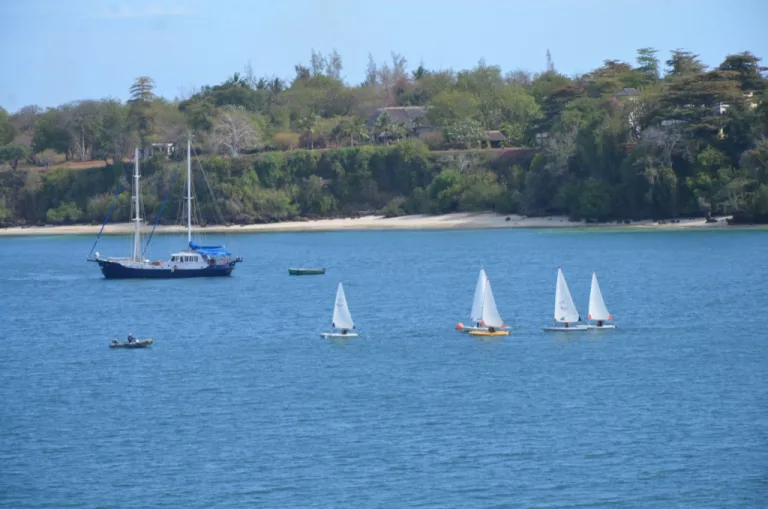
Creek View – Kilifi County/Chris Obiero/Wikimedia Commons
This 72-hour route from Kilifi to Watamu and Lamu combines seafood, marine life, coastal history and unhurried beach time.
Day 1: Slow down in Kilifi
Explore Kilifi Creek
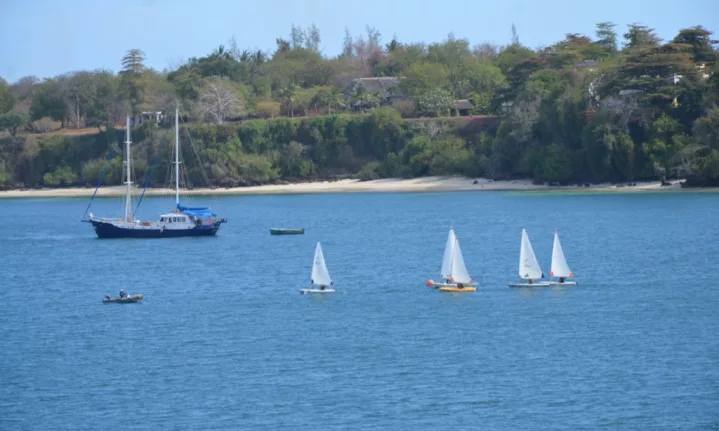
Kilifi is a natural starting point for a journey along Kenya’s quieter coast. The town sits beside a broad creek where mangroves, fishing boats and tidal waters replace the busier waterfronts found elsewhere.
Spend the morning exploring the creek by boat, walking along the shoreline or simply settling somewhere overlooking the water. Kilifi’s appeal is its slower pace, so there is no need to fill every hour with activities.
The area offers a mix of beaches, water-based activities, cultural experiences and locally focused tourism.
Visit Takaungu
View this post on Instagram
Continue towards Takaungu, a historic settlement around a creek south of Kilifi.
The village has strong Swahili and Mazrui connections, with historic mosques, old buildings and a waterfront still closely linked to fishing and community life.
Take a walk through the village and, where available, join a local guide to learn more about its history and coastal traditions.
Eat seafood by the water
Seafood should feature prominently on this trip. Depending on the day’s catch, look for freshly prepared fish, crab, prawns and other locally sourced dishes.
Community-led experiences around Kilifi Creek also highlight local food alongside conservation projects focused on mangroves and aquaculture.
Spend the night in Kilifi, preferably near the creek or Bofa Beach.
Day 2: Marine life and ancient ruins in Watamu
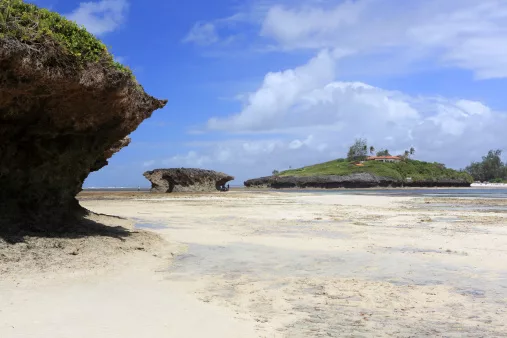
Rocks on the beach, Watamu Marine National Park,Watamu, Kenya/By: Vincenzo Lombardo/Getty Images
Start on the water
After breakfast, head north to Watamu, where the focus shifts from coastal communities to marine conservation.
The Watamu Marine National Park and Reserve protects coral reefs, mangroves and a variety of marine habitats. Its waters support sea turtles, dolphins, whales, whale sharks and numerous fish species.
Spend the morning snorkelling, diving or taking a guided boat trip. The protected waters around Mida Creek also offer an opportunity to explore Kenya’s mangrove ecosystems.
Give wildlife plenty of space and follow the guidance of local operators and conservation authorities.
Discover the Gede Ruins
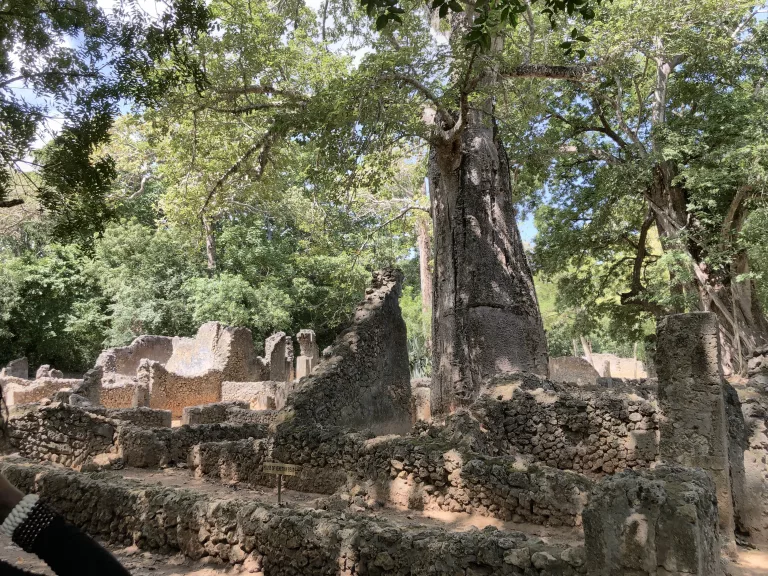
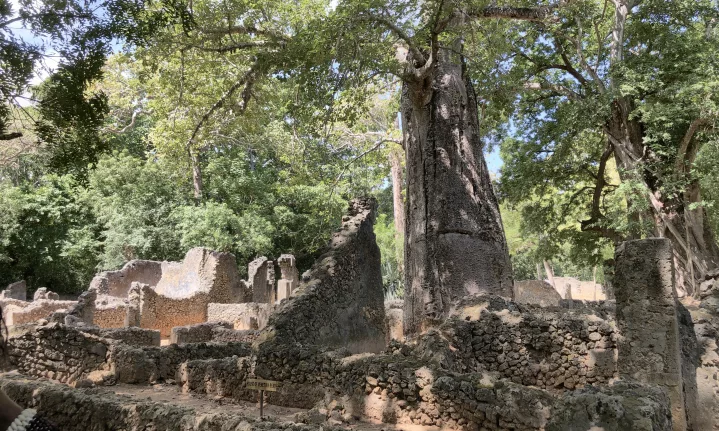
Gede Ruins/LutzBruno/Wikimedia Commons
After lunch, head inland to the Gede Ruins.
Hidden among coastal forest, the remains belong to a once-prosperous Swahili settlement. Mosques, houses, a palace and other structures provide a glimpse into the sophisticated trading communities that flourished along the East African coast.
Take time to walk through the archaeological site rather than treating it as a quick stop. The combination of coral-stone ruins and dense forest makes Gede one of the coast’s most atmospheric historical attractions.
Spend the evening in Watamu
Return to Watamu for a relaxed afternoon on the beach.
Go for a swim, walk along the sand or take a sunset boat trip before dinner. Traditional dhow excursions are available along parts of the coast and offer a slower way to experience the Indian Ocean.
Spend the night in Watamu.
ALSO READ:
48 hours in São Filipe, Fogo: Cape Verde’s volcanic island escape
Day 3: Step into Lamu’s Swahili world
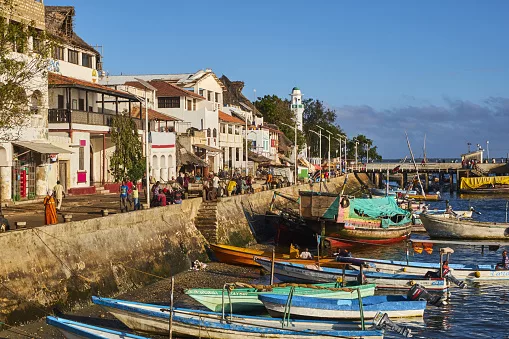
Kenya, Lamu island, Lamu town/By: Tuul & Bruno Morandi/Getty Images
Travel north
Start early for the journey to Lamu.
Depending on your transport arrangements, you can travel towards the Lamu mainland and continue by boat, or connect through Malindi with a flight to Manda Airport.
The final journey is longer than the Kilifi-Watamu leg, so some planning is essential when working with a 72-hour itinerary.
Wander Lamu Old Town
Once you arrive in Lamu, leave the car behind and explore on foot.
Lamu Old Town is a UNESCO World Heritage Site and one of the oldest and best-preserved Swahili settlements in East Africa. Its narrow streets, coral-stone buildings, carved wooden doors, courtyards and verandas reflect centuries of cultural exchange along the Indian Ocean.
Spend time around the waterfront and markets, where historic buildings sit alongside the rhythms of everyday island life.
Lamu is not simply a preserved historical site. It remains a living community, which makes respectful exploration especially important.
Try Swahili cuisine
Make lunch a chance to explore the flavours of the coast.
Swahili cuisine draws on centuries of Indian Ocean trade, combining seafood and spices with ingredients such as coconut and rice. Look beyond standard tourist menus and, where possible, support local restaurants and food businesses.
Continue to Shela
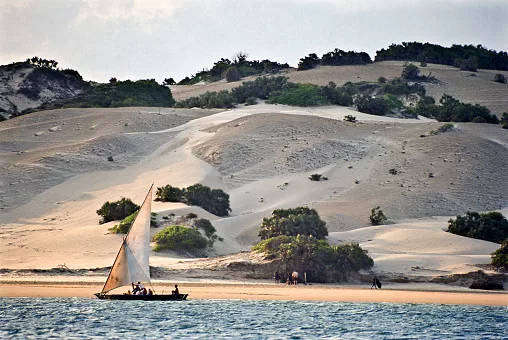
Sailing a dhow off Shela Beach on Lamu Island/By: John Seaton Callahan/Getty Images
Head towards Shela for a quieter final afternoon.
The village has a slower, more relaxed atmosphere, with sandy paths, historic houses and easy access to the beach. Spend some time walking along the shoreline or simply enjoying the view across the water.
End with a dhow cruise
Finish the trip on a traditional dhow.
A late-afternoon sailing around Lamu offers a final perspective of the islands, channels and coastline. As the sun sets, the boats and historic waterfront provide a fitting end to a journey shaped by the sea.
How to plan the trip
Give yourself room to slow down
Three days is enough for an introduction, but the route works even better with an extra day or two.
The biggest mistake would be trying to see everything. Kilifi, Watamu and Lamu each reward travellers who leave time to wander, eat and simply enjoy the coast.
Plan the longer transfers
Kilifi and Watamu are relatively easy to combine, but the journey to Lamu requires more preparation.
A pre-arranged transfer or flight can save time on a short trip. If travelling independently, leave some flexibility in your schedule and avoid booking activities too close together.
Look beyond the beaches
The appeal of this route lies in its variety.
In three days, you can experience:
- Kilifi’s creeks and mangroves
- Takaungu’s coastal heritage
- Watamu’s coral reefs and marine life
- The ancient Gede Ruins
- Lamu Old Town’s Swahili architecture
- Shela’s beaches and island atmosphere
Together, these places reveal a side of Kenya’s coast that goes well beyond the traditional beach holiday.
Travel responsibly
The quieter the destination, the more important it is to travel thoughtfully.
Use local guides where possible, support small restaurants and businesses, and respect local customs. In Lamu, remember that the historic town is a living neighbourhood rather than an open-air museum.
When visiting marine areas, follow conservation rules and avoid touching coral or approaching wildlife. Responsible choices help protect the ecosystems and communities that make the coast worth visiting.
Why Kenya’s northern coast is worth exploring
Kenya’s coast doesn’t have to be experienced as a conventional beach holiday.
Travel north from Kilifi and the landscape becomes a story of fishing communities, mangrove creeks, coral reefs, ancient ruins and living Swahili culture. By the time you reach Lamu, the Indian Ocean is more than scenery – it is the thread connecting the region’s food, architecture, history and daily life.
For 72 hours, leave Mombasa behind and follow the coast at a slower pace.
Follow us on social media for more travel news, inspiration, and guides. You can also tag us to be featured.
Instagram | Facebook | Twitter | Spotify
ALSO READ: