


Madagascar is famous for its extraordinary wildlife, from ring-tailed lemurs to chameleons and baobab forests. Yet its capital, Antananarivo, offers a different introduction to the island, where red-brick houses climb steep hillsides, markets spill into busy streets, and traditional Malagasy food reflects centuries of cultural exchange.
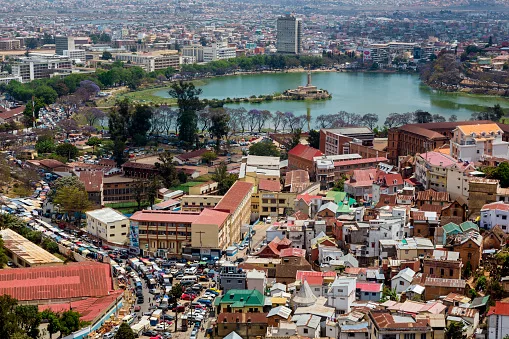
The city from the upper town, Antananarivo, Madagascar/By: Yann Guichaoua-Photos/Getty Images
Often called Tana, the capital is more than a gateway to Madagascar’s national parks. Its royal history, highland traditions, architecture and everyday street life offer plenty to explore over two days. With a little planning, visitors can discover a city shaped by the Merina kingdom, French colonial rule and contemporary Malagasy culture, without spending the entire trip looking for wildlife.
Day one: Discover the city’s history and highland culture
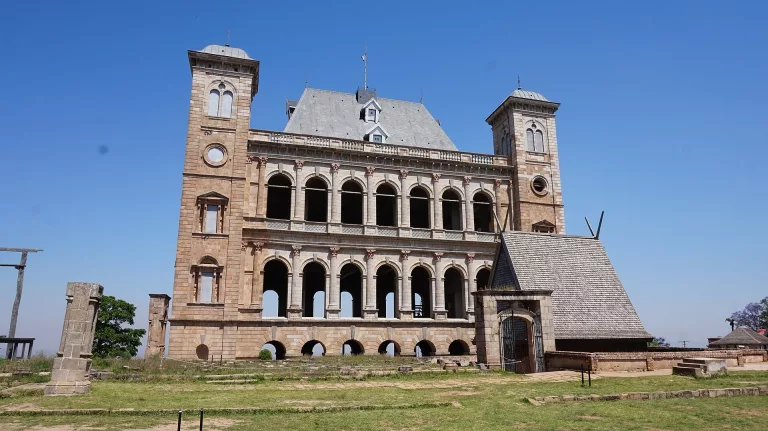
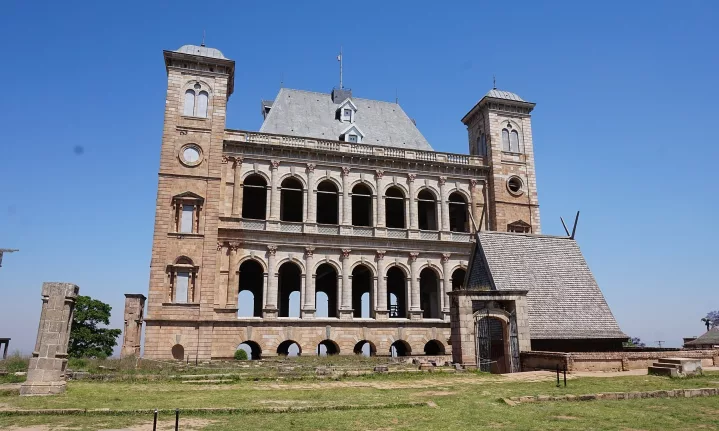
Rova of Antananarivo/Pufacz/Wikimedia Commons
Morning: Explore the old town and royal hill
Start in Haute-Ville, the upper part of Antananarivo, where historic buildings line steep streets, and the city’s royal past remains visible in its architecture. The elevated neighbourhood offers a different perspective on the capital, with red-roofed houses and busy lower districts stretching across the surrounding hills.
Make time for the Rova of Antananarivo, also known as the Queen’s Palace. The historic royal complex occupies one of the city’s highest points and is closely associated with the Merina monarchy, which expanded its influence across much of Madagascar before French colonisation.
The complex has endured fire, restoration and political change, but its position above the city remains an important part of Antananarivo’s identity. From the surrounding viewpoints, visitors can appreciate how the capital developed across a landscape of ridges and valleys.
Check current access arrangements and opening times before visiting, as these can change.
Late morning: Walk through the streets of Haute-Ville
After exploring the royal hill, spend time wandering through the surrounding streets. Historic churches, old residences, balconies and traditional red-brick buildings reveal the different influences that have shaped the city.
Antananarivo’s architecture reflects both Malagasy building traditions and the French colonial period. The result is a city where older homes and institutional buildings sit alongside modern shops, cafés and residential neighbourhoods.
The streets can be steep, so allow enough time to explore without rushing. A guided walk can also provide useful context about the Merina kingdom, local customs and the history behind buildings that might otherwise be easy to pass unnoticed.
Lunch: Taste traditional Malagasy cooking
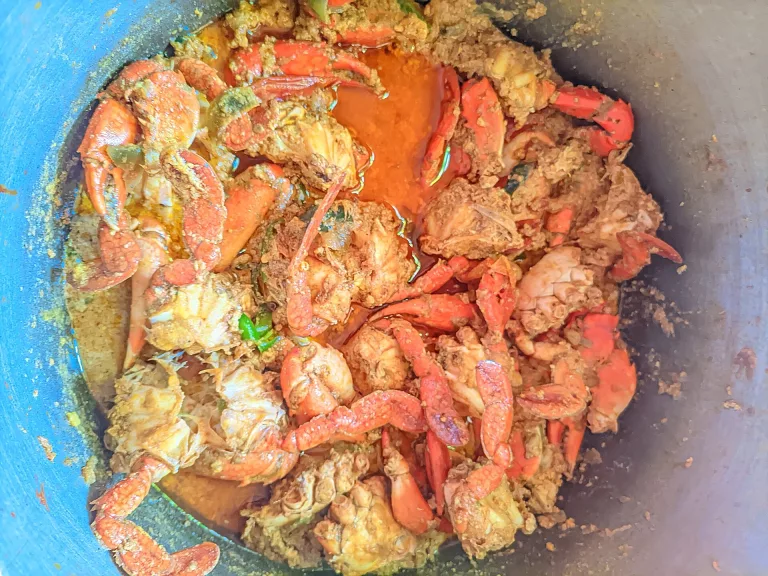
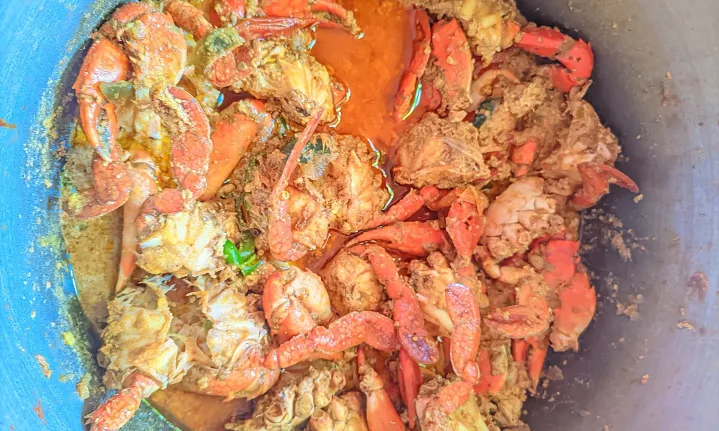
Crab and rice stir-fry from Madagascar (Laoka)/ Lalinah/Wikimedia Commons
Make lunch an introduction to Madagascar’s highland cuisine. Rice, known as vary, is central to Malagasy meals and is usually served with laoka, the accompanying meat, fish or vegetable dish.
Two traditional dishes worth seeking out are romazava and ravitoto. Romazava is a broth or stew made with meat and leafy greens, while ravitoto consists of pounded cassava leaves traditionally cooked with pork. Both are commonly served with rice.
Afternoon: Experience the city’s markets
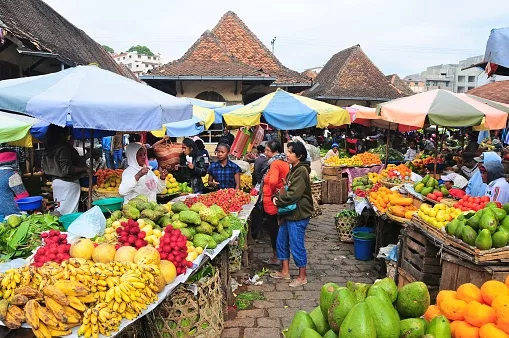
Luscious fruits in Analakely Market/By: ronemmons/Getty Images
Continue to Analakely, one of Antananarivo’s best-known commercial areas. Its markets and surrounding streets offer a lively glimpse of everyday life, with vendors selling fresh produce, clothing, household goods, textiles and other essentials.
The experience is less about finding a single souvenir than observing how the city works. Shoppers negotiate prices, traders arrange their goods, and pedestrians weave through the busy streets as the day unfolds.
Visitors interested in local crafts can also look for handmade items and textiles, although it’s worth asking about the origin and materials of anything being sold as traditional handicrafts.
Markets are busy public spaces, so keep valuables secure, carry small amounts of cash and ask permission before photographing people.
Evening: Enjoy dinner in the capital
Spend the evening in one of the city’s established dining neighbourhoods, such as Isoraka, where restaurants offer Malagasy dishes alongside French-influenced and international cooking.
This is an opportunity to explore another side of the capital’s food culture. Madagascar’s history and position in the Indian Ocean have contributed to a varied culinary landscape, with local ingredients meeting influences from Europe, Africa and Asia.
Choose a restaurant serving regional specialities, or enjoy a slower dinner with a glass of fresh juice and a traditional meal. After a day spent navigating busy streets and steep hills, a relaxed evening offers a welcome change of pace.
ALSO READ:
Day two: Markets, architecture and everyday Antananarivo
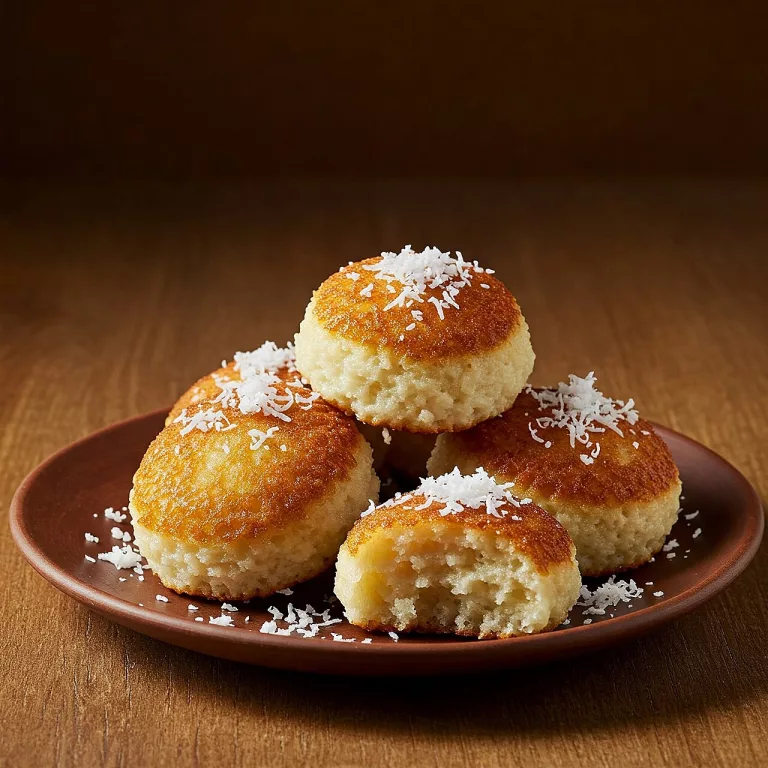
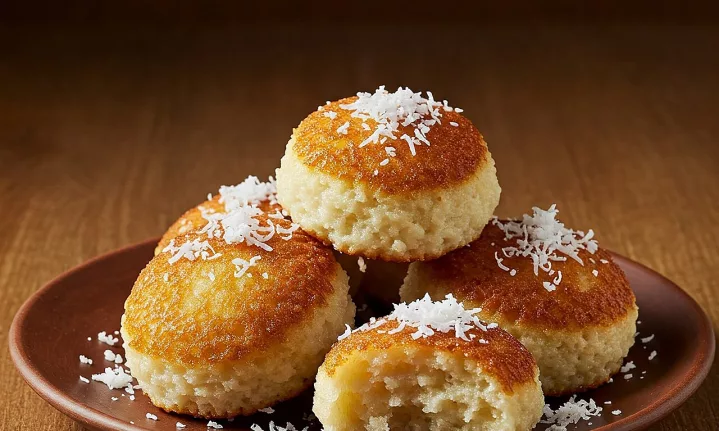
Mofo gasy/Cm Malagasy/Wikimedia Commons
Morning: Start with a local breakfast
Begin the second day with a traditional snack or breakfast. Look out for mofo gasy, small rice-flour cakes cooked in round moulds, or koba, a sweet preparation made with ingredients such as rice flour, peanuts and banana.
These foods offer a taste of the everyday eating habits that are easy to miss when travelling between major attractions. Pair breakfast with coffee or tea before heading back into the city.
If you prefer a more familiar start, Antananarivo also has bakeries and cafés influenced by French culinary traditions. The contrast between a local breakfast stall and a neighbourhood bakery reflects the different layers of the capital’s food culture.
Mid-morning: See Lake Anosy and the city’s landmarks
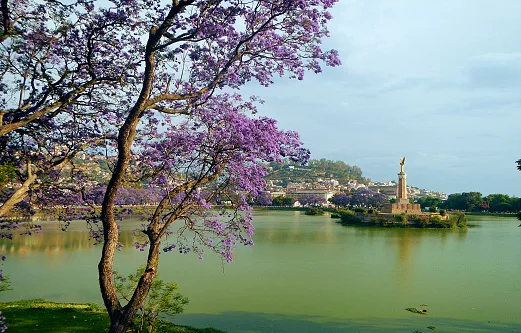
Surrounded by jacarandas, Lake Anosy is an artificial lake in the southern part of the capital Antananarivo, about two miles south of Haute-Ville/By: Eduardo Cabanas/iStock
Make your way to Lake Anosy, a heart-shaped lake in the southern part of central Antananarivo. The lake and its surroundings provide a change of pace from the crowded commercial streets, with views across the water towards the city.
The area is also associated with the Monument aux Morts, a memorial commemorating Malagasy soldiers who died during the First World War. The monument and its setting offer an opportunity to consider another chapter in Madagascar’s modern history.
From here, explore more of central Antananarivo, including the area around Avenue de l’Indépendance. The broad avenue, commercial buildings and surrounding streets give a sense of the city’s contemporary rhythm, from shopping and commuting to people meeting for coffee.
Allow time for traffic and check local conditions before setting out, particularly if you plan to cover several neighbourhoods in one morning.
Lunch: Follow the flavours of the highlands
Use your final lunch to try another Malagasy dish. If you sampled romazava on the first day, order ravitoto, or look for grilled zebu, the humped cattle that have long held an important place in Malagasy food and culture.
Meals in the highlands often centre on rice and seasonal vegetables, with garlic, ginger and other seasonings adding flavour. Fresh fruit and locally made snacks are also worth trying when available.
For travellers who enjoy learning through food, asking a restaurant about its ingredients and preparation methods can be as rewarding as ordering an unfamiliar dish. The capital brings together produce and culinary traditions from across the island, making it a useful place to begin understanding Madagascar’s regional diversity.
Afternoon: Leave room for a slower exploration
Spend the final part of your visit revisiting a neighbourhood that caught your attention, browsing a craft shop or stopping at a café. Rather than squeezing in another major attraction, use the time to appreciate the ordinary details of the city.
Antananarivo is not a destination best experienced entirely on foot without preparation. Its hills, traffic and busy roads can make short distances take longer than expected. A local guide or driver can help connect areas that are difficult to reach comfortably on foot, leaving more time to explore.
If you have additional time, consider a separate excursion to Ambohimanga, the historic royal settlement northeast of the capital. Its royal complex and fortified hill are closely connected to the history of the Merina kingdom and provide further context for the traditions encountered in Antananarivo. Allow more time than a quick city stop if you plan to include it.
What to know before visiting Antananarivo
-
Getting around
Antananarivo’s central neighbourhoods are spread across steep hills, and traffic can be heavy. Walking works well for exploring individual areas, but a driver or guide can make it easier to travel between more distant sights. Build flexibility into your itinerary rather than relying on precise journey times.
-
When to visit
The cooler, drier months from roughly April to October are generally a comfortable period for exploring Madagascar’s central highlands. Conditions vary, however, and the rainy season can bring heavy showers and more difficult road travel. Check the forecast before your trip and pack layers, as temperatures can be cooler than visitors expect.
-
What to pack
Comfortable walking shoes are essential for the uneven streets and steep inclines. Bring a light jacket, sun protection and a small day bag. Modest, practical clothing is useful when visiting historic and religious sites.
-
Staying safe
As in any busy capital, stay aware of your surroundings, particularly in crowded markets and transport hubs. Keep phones and valuables out of sight when not in use, use trusted transport arrangements and seek local advice about areas to avoid after dark. Check current travel advisories before departure.
A different side of Madagascar
Antananarivo may be the starting point for journeys to Madagascar’s forests, reserves and remarkable wildlife, but the capital deserves time of its own. Its royal hill, bustling markets, highland cuisine and layered architecture tell a story that cannot be understood through lemurs alone.
Two days will not reveal every side of the city, but they offer a rewarding introduction to Madagascar’s history and contemporary life. For travellers willing to slow down between flights and excursions, Tana is an opportunity to experience the island not just as a wildlife destination, but as a place shaped by people, food, culture and the rhythms of an everyday working capital.
Follow us on social media for more travel news, inspiration, and guides. You can also tag us to be featured.
Instagram | Facebook | Twitter | Spotify
ALSO READ: