




Artificial intelligence is changing the way people edit wildlife photographs, but scientists are warning that seemingly harmless image enhancements could have unintended consequences for conservation and biodiversity research.
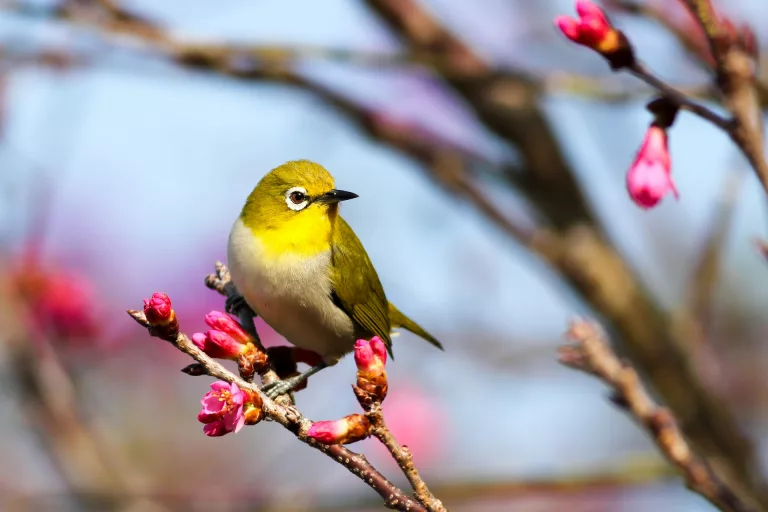
Image used for illustrative purposes/Boris Smokrovic/Unsplash
According to The Guardian, researchers are urging birdwatchers and wildlife photographers to avoid using AI tools to alter images submitted to citizen science platforms, warning that edited photographs could compromise valuable scientific records.
For many birders, spotting a rare species is a once-in-a-lifetime achievement. These sightings are often uploaded to community-driven databases such as iNaturalist and the Macaulay Library, where they help scientists track bird distributions, migration patterns, and changes linked to climate change.
However, a recent commentary published in the journal Nature highlights growing concerns that AI-generated or AI-enhanced images are making their way onto these platforms.
When editing changes the science
Modern AI tools can do far more than remove a distracting branch or sharpen an image. In some cases, they can unintentionally introduce new features or even blend characteristics from different species, creating photographs that no longer accurately represent what was seen in the field.
Researchers say these altered images risk creating false records of species occurring outside their natural ranges, potentially misleading future research.
Dr Alexander Lees, an ecologist at Manchester Metropolitan University and lead author of the Nature commentary, told The Guardian that the increasing volume of AI-generated wildlife imagery makes it harder to trust photographs as reliable scientific evidence.
He noted that while outright hoaxes remain uncommon, AI-assisted editing is becoming more widespread and can unintentionally alter identifying features that scientists rely on.
ALSO READ:
Ezemvelo considers lion branding to reduce human-wildlife conflict in KZN
False sightings already recorded
The researchers point to one case involving a supposed sighting of a red-winged blackbird in central Brazil — far outside the North American bird’s normal range.
The image was later found to depict a different species, an epaulet oriole, after AI editing had altered parts of the bird’s appearance in an attempt to “improve” the photograph.
Scientists warn that as AI editing tools become more sophisticated and accessible, distinguishing genuine images from altered ones will become increasingly difficult.
Citizen science depends on trust
Citizen science platforms have become an important source of biodiversity data, allowing millions of nature enthusiasts to contribute observations that help researchers monitor wildlife populations, flowering seasons, migration patterns and the impacts of climate change.
While relatively few images have been flagged for AI manipulation so far, researchers believe many altered photos may go undetected.
The authors stress that most users are not acting maliciously. Instead, they are encouraging photographers to preserve the authenticity of their images, especially when submitting observations that could be used for scientific research.
Accurate records, they say, remain essential for conservation efforts and for understanding how wildlife is responding to a rapidly changing world.
SOURCE: The Guardian
Follow us on social media for more travel news, inspiration, and guides. You can also tag us to be featured.
Instagram | Facebook | Twitter | Spotify
ALSO READ:
Hybrid aquarium fish raise biodiversity concerns in Philippine lake