




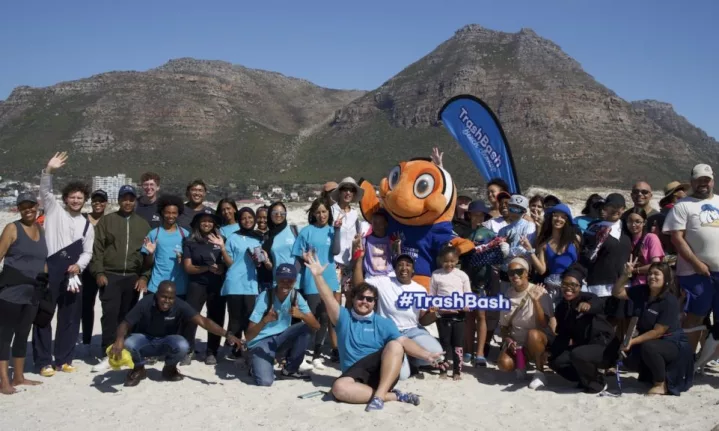
Every piece of litter removed from a beach is one less piece that can make its way into the ocean.
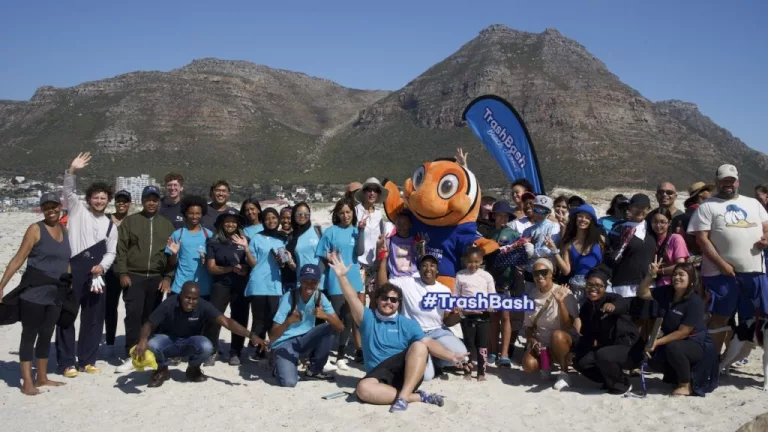
Picture: Supplied
It is a simple idea, but one that has inspired people around the world to act. Each September, communities come together to clean beaches, rivers and public spaces, highlighting both the scale of the global waste problem and the difference collective action can make.
This International Coastal Cleanup Day, Saturday, 19 September, Capetonians can be part of that movement right here at home.
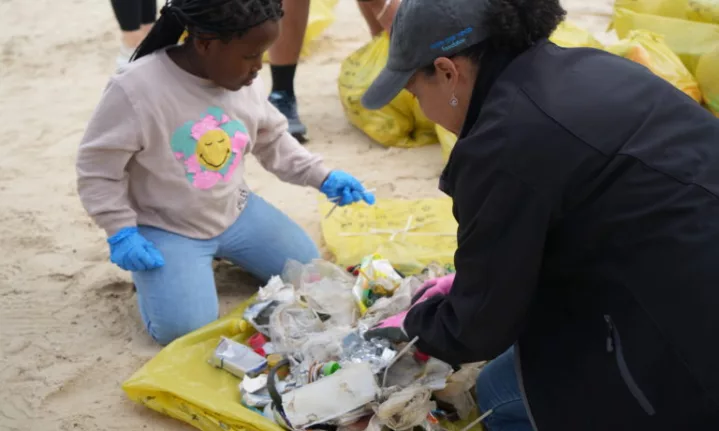
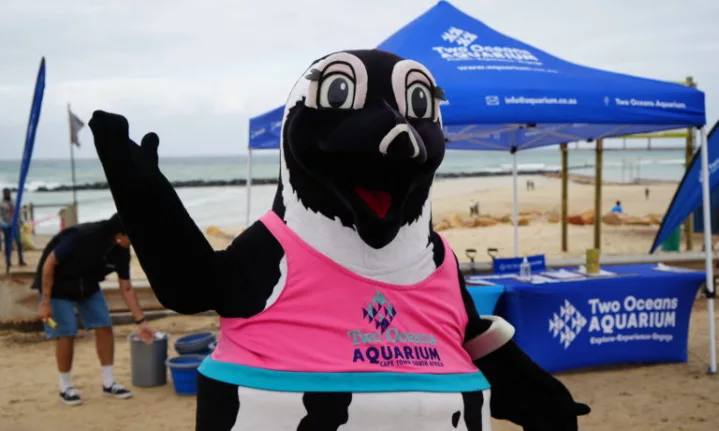
The Two Oceans Aquarium’s Trash Bash team, in collaboration with Visions for Change SA, will bring volunteers together at Sunrise Beach in Muizenberg for a morning of hands-on action for the ocean.
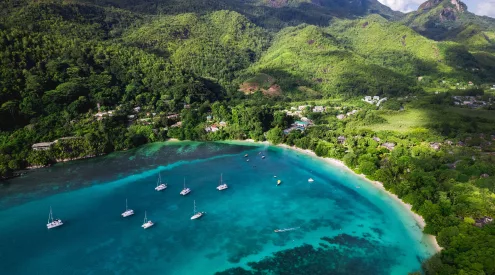
Sunrise Beach is a particularly fitting place to take action. It lies within the False Bay Hope Spot, an area recognised through Mission Blue for its importance to ocean health and biodiversity. The Two Oceans Aquarium and Cape RADD are co-champions of the False Bay Hope Spot, helping to build awareness of the marine life and ecosystems found within the bay.
In an effort to make the Hope Spot mission a reality, the Trash Bash event connects a local Cape Town beach and its community with a much bigger international movement, focused on reducing litter and raising awareness about plastic pollution.
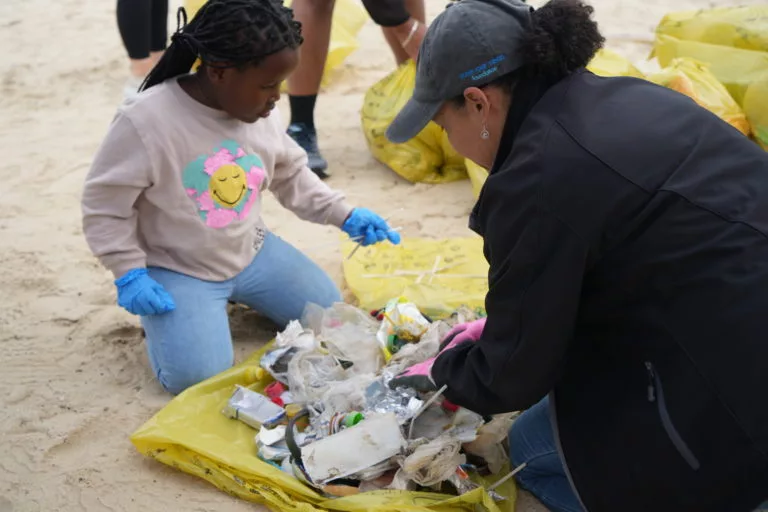
Image: Supplied
World Cleanup Day has its roots in Estonia, where a national cleanup initiative began in 2008. What started as a single day of collective action grew into a global movement based on the belief that people working together can make a meaningful difference.
The importance of this worldwide effort has continued to grow, with World Cleanup Day now recognised on the United Nations calendar. An indication of just how urgent the challenge of waste and pollution has become.
For Cape Town, the issue is urgent and close to home.
Why our beaches need us
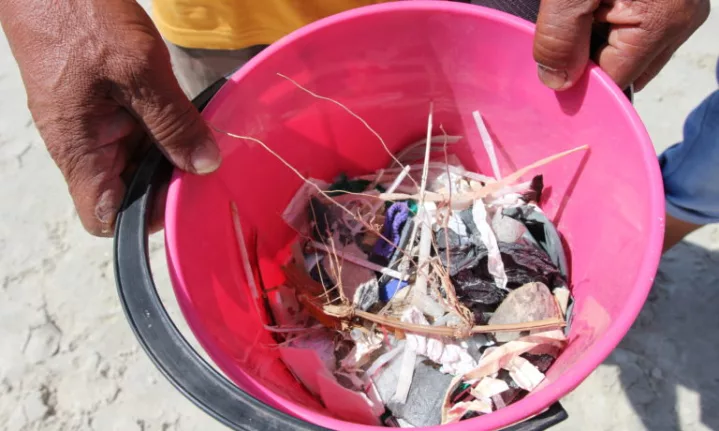
Plastic bottles, food packaging, bottle tops, bags and countless smaller fragments of plastic regularly find their way onto the coastline. Some are left behind on beaches, while others travel through streets, rivers and stormwater systems before eventually reaching the sea.
Once in the marine environment, plastic can remain for years, by breaking down into increasingly smaller pieces and posing a risk to ocean wildlife.
Beach cleanups provide an immediate way for ordinary people to prevent some of that waste from travelling further.
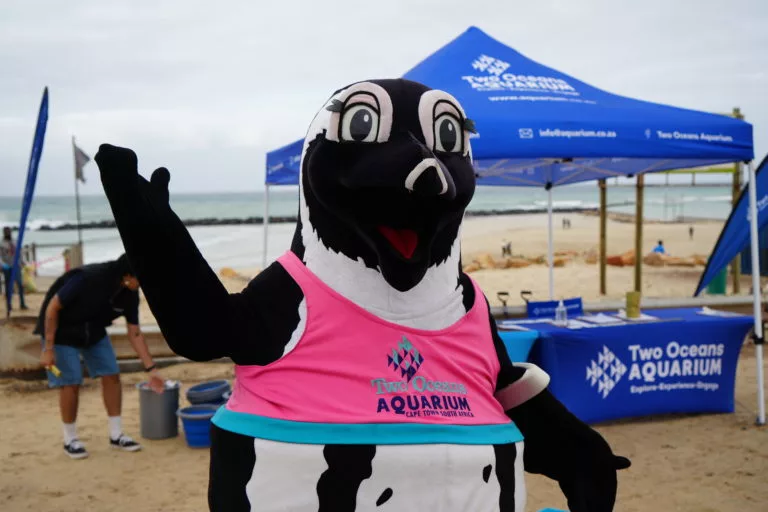
Image: Supplied
Beach cleanups are vital as they prevent plastic and other litter from being deposited into the ocean and beyond our shores,’ says Heather Wares, Communications Manager at the Two Oceans Aquarium.
‘Cleaning a beach is one of many easy and fun ways of contributing to our responsibility for ensuring a healthy natural environment, while providing data for scientific studies. It is also an opportunity to connect with nature.’
More than one morning on the beach
International Coastal Cleanup Day is not only about how much litter can be collected in a few hours.
A takeaway lid, plastic bag or food wrapper collected on Sunrise Beach represents a much bigger conversation about everyday consumption and waste. A beach cleanup provides an opportunity to look closely at what is being found and consider how those items entered the environment in the first place.
No one action will solve plastic pollution. But International Coastal Cleanup Day reminds us of the power of many people choosing to act together.
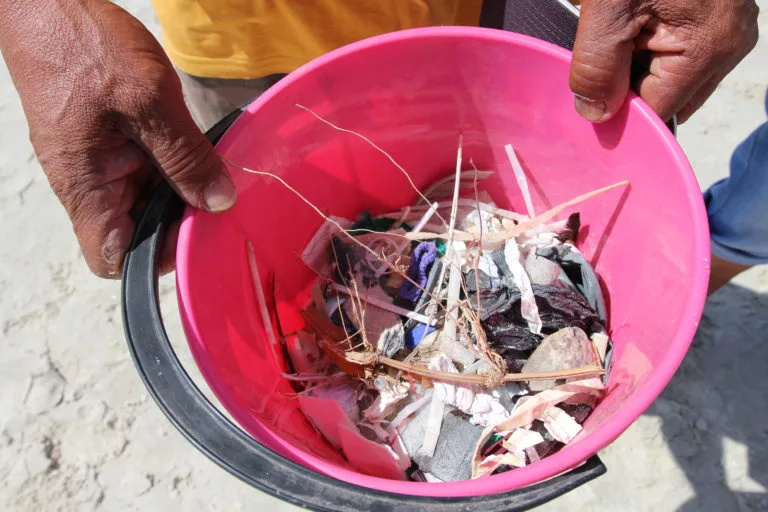
Image: Supplied
Simple choices can help: carrying reusable shopping bags and water bottles, choosing products with less unnecessary packaging, refusing straws and takeaway lids when they are not needed, and choosing reusable decorations instead of balloons.
For Capetonians looking for a practical way to get involved, joining the Two Oceans Aquarium Trash Bash at Sunrise Beach, from 9am to 11am, is an opportunity to turn a global message into local action.
Bring reusable gloves, a bucket and some enthusiasm, and spend a morning giving something back to one of Cape Town’s most treasured natural spaces.
Protecting the ocean does not always begin with something big. Sometimes, it begins with simply picking up what should never have been left behind to begin with.
Article shared by Cape Etc
This article was shared and produced by Cape Etc in partnership with the Two Oceans Aquarium
Follow us on social media for more travel news, inspiration, and guides. You can also tag us to be featured.
Instagram | Facebook | Twitter
ALSO READ: