

In fast-growing cities around the world, trees are often treated as decorative extras rather than essential infrastructure.

Image: Miriam Kimvangu
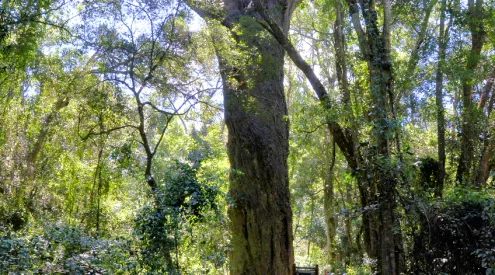
Yet urban trees quietly perform some of the most important work in modern environments. They cool overheated streets, absorb pollution support biodiversity and create healthier spaces for people to live.
As urban populations continue to rise and climate pressures intensify, the role of trees in cities is becoming increasingly urgent. Across Southern Africa and beyond, organisations like Greenpop are working to reshape the relationship between people and urban nature by transforming neglected spaces into greener, more resilient environments.
Why cities need trees
Urban trees are often described as “green infrastructure” because their benefits function much like public services. They help regulate temperatures, improve air quality, reduce noise pollution and absorb rainwater that would otherwise overwhelm drainage systems during storms.
In dense urban environments dominated by concrete and asphalt, trees also help combat the “urban heat island effect”, where built-up areas become significantly hotter than surrounding natural spaces. Tree canopies provide shade while also cooling the air through evapotranspiration, making neighbourhoods more comfortable and liveable.This becomes especially important as climate change contributes to more frequent heatwaves and rising temperatures across many cities.
Access to green spaces has also been linked to improved mental well-being, lower stress levels and increased opportunities for recreation and community interaction. Parks, gardens and tree-lined streets can encourage people to spend more time outdoors.
Urban greenery also creates important habitats for birds, insects and pollinators that continue to survive within developed environments. Even relatively small green corridors can help maintain biodiversity in cities where natural ecosystems are under pressure.
The problem of unequal green spaces
Access to urban greenery is often deeply uneven. In many cities, wealthier suburbs tend to have significantly more trees, parks and public green areas than lower-income communities. Areas with fewer trees are often hotter, more exposed to flooding and more vulnerable to poor air quality. Residents may also have limited access to safe outdoor spaces and the health benefits associated with spending time in nature. Urban greening projects are therefore increasingly viewed not only as environmental initiatives, but also as social and public health interventions. Creating greener urban spaces can improve neighbourhood resilience while making cities more equitable and sustainable in the long term.
From planting 1,000 trees to a wider movement
This intersection between environmental restoration and community development sits at the heart of Greenpop’s work. The organisation began in 2010 after co-founder Misha Teasdale returned from extensive international travel with growing concerns about environmental degradation and disconnection from nature. Together with a group of friends, he launched a campaign to plant 1,000 trees in under-greened communities during Arbour Month. The idea was initially intended as a once-off initiative. Instead, it quickly gained momentum. Schools requested more trees, volunteers joined the project and businesses began offering support. Over time, the campaign evolved into a full-scale environmental organisation focused on reconnecting people with nature through practical, community-driven action.
Today, Greenpop works across several environmental sectors including urban greening, forest restoration and environmental education. Their projects include indigenous gardens, outdoor classrooms, food gardens and biodiversity corridors designed to strengthen ecological resilience in urban areas. Central to their philosophy is the belief that environmental action should feel accessible and collaborative. Through volunteer programmes, workshops and public events, the organisation encourages people to participate directly in shaping greener urban environments. Their “Join the Treevolution” campaign reflects this approach by framing sustainability as something active, hopeful and community-oriented rather than abstract or inaccessible.
Reimagining the future of urban spaces
As cities continue expanding, conversations around urban planning are beginning to shift. Green spaces are increasingly recognised as essential infrastructure rather than optional additions. Urban greening projects demonstrate that even small interventions can have meaningful long-term impacts. A tree planted outside a school can provide shade for decades. A neglected patch of land transformed into a community garden can improve biodiversity while creating a shared public space. A greener street can lower temperatures and improve the daily experience of people walking through it. The work being done by organisations like Greenpop highlights a growing understanding that cities and nature do not need to exist in opposition to one another.
In many ways, the future of sustainable urban living may depend on how successfully cities integrate natural systems back into everyday life. Trees alone will not solve the environmental challenges facing urban areas, but they remain one of the simplest, most effective and most accessible tools available.
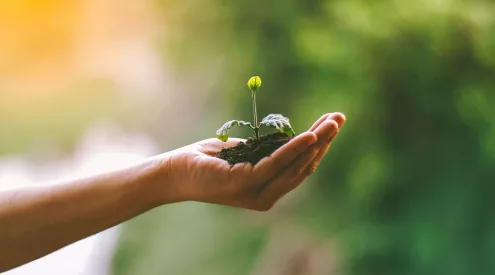
Sometimes, reimagining a city begins with planting a single tree.
Follow us on social media for more travel news, inspiration, and guides. You can also tag us to be featured.
Instagram | Facebook | Twitter
ALSO READ:
David Attenborough turns 100: The voice that brought nature home