








Luxury travel is changing. While beautiful rooms, five-star service and lavish amenities remain important, travellers are increasingly looking for something more from a hotel stay.
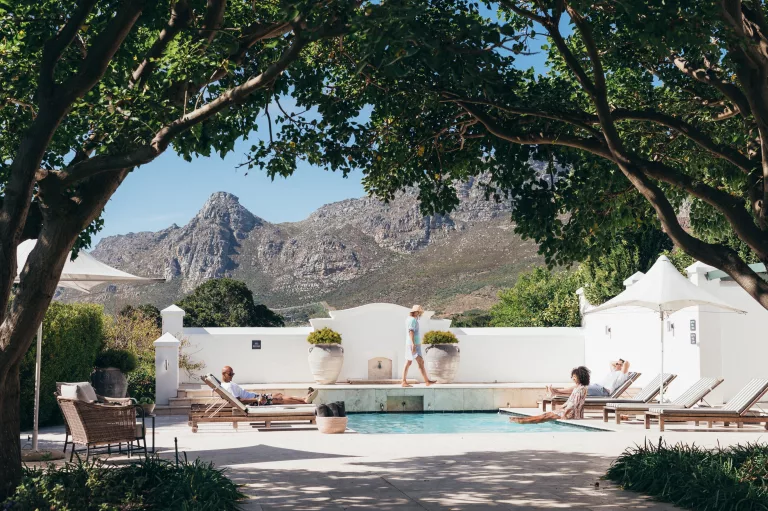
Image: Supplied
Wellness, memorable food, personalised service and a genuine connection to the destination are becoming just as important as the accommodation itself.
Deloitte reports that 68% of luxury travel advisors are seeing growing demand for highly customised itineraries based around individual interests and lifestyles. Meanwhile, the Global Wellness Institute expects the global wellness tourism market to reach US$1.4 trillion by 2027.
Together, these trends point to a broader shift in luxury hospitality. Rather than simply providing somewhere comfortable to sleep, hotels are increasingly being expected to become part of the reason people travel in the first place.
Luxury is becoming more personal
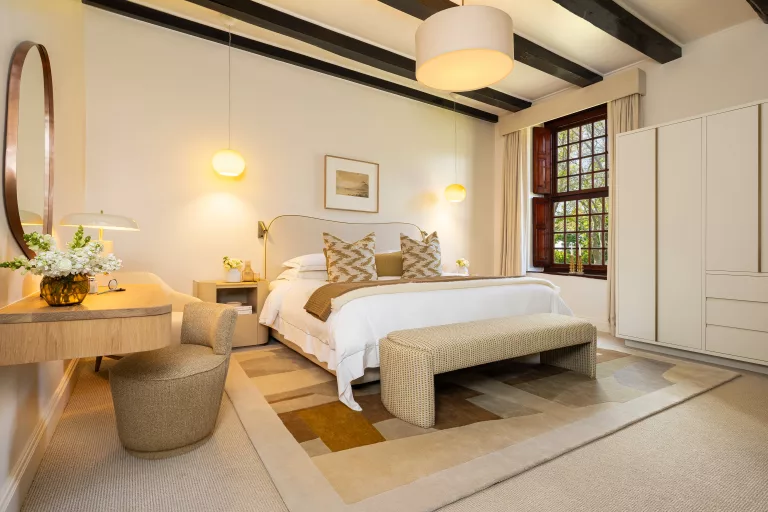
Image: Supplied
For decades, luxury hospitality was largely defined by recognisable markers such as five-star ratings, spacious rooms, fine dining and attentive service.
Those things still matter, but today’s luxury traveller is often looking beyond the traditional checklist.
International hospitality groups including Aman, Four Seasons and The Ritz-Carlton have increasingly focused on personalised service, wellbeing and destination-led experiences. The emphasis is shifting from offering the same definition of luxury everywhere to creating stays that feel connected to their surroundings.
In South Africa, destinations such as The Royal Portfolio and Babylonstoren have taken a similar approach, combining accommodation with food, wine, art, conservation, wellness and experiences rooted in the landscape.
The result is a hotel stay that can feel less like a stopover and more like a destination in itself.
The rise of thoughtful personalisation

Picture: Supplied
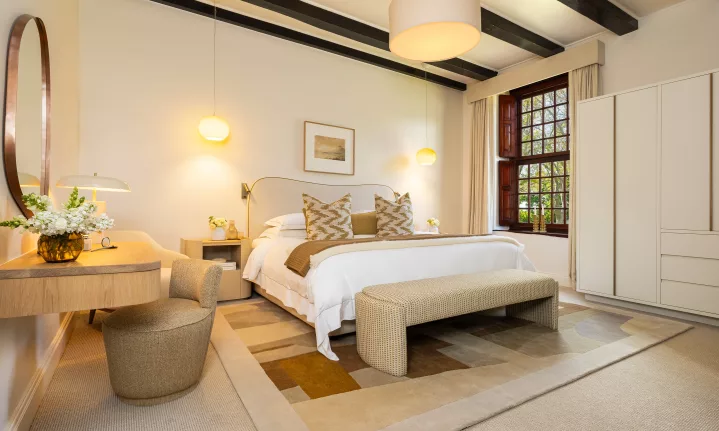
Technology has made it easier for hotels to collect information about their guests, from their dining preferences to the type of room they prefer. But the most effective personalisation does not necessarily feel high-tech.
According to Jessica Louw, Marketing Manager of Hospitality at Steenberg Farm, guests increasingly want hospitality that feels thoughtful rather than transactional.
“Meaningful personalisation is often quite simple. It is about understanding the purpose of a guest’s visit, remembering their preferences or recognising what matters to them. The best hospitality feels natural and intuitive.”
That could mean knowing how a guest takes their morning coffee, understanding whether they are visiting for relaxation or adventure, or anticipating what might make their stay more comfortable.
The expectation is not necessarily for more. It is for the experience to feel more considered.
ALSO READ:
Gillooly’s Farm is getting a fresh new chapter in Bedfordview
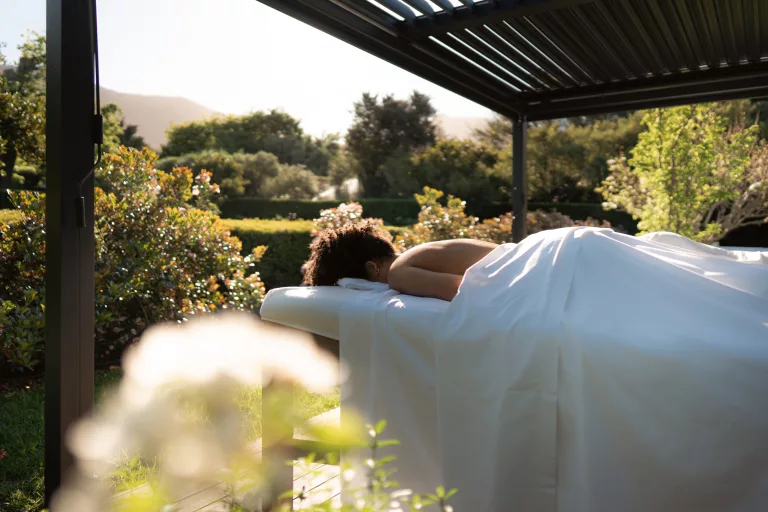
Wellness is about more than the spa
Picture: Supplied
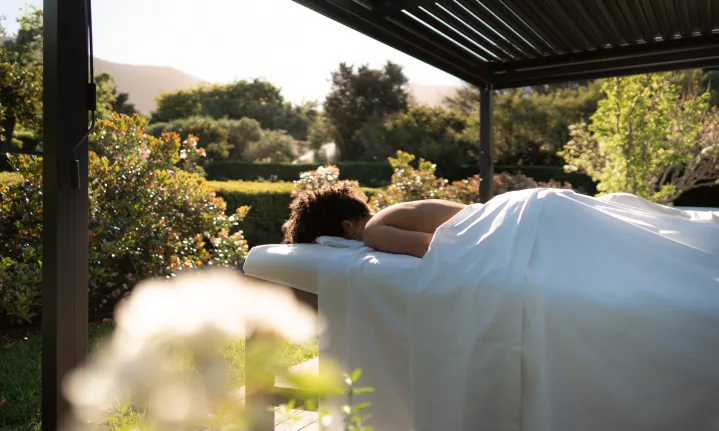
Wellness has also become an increasingly important part of the luxury travel experience.
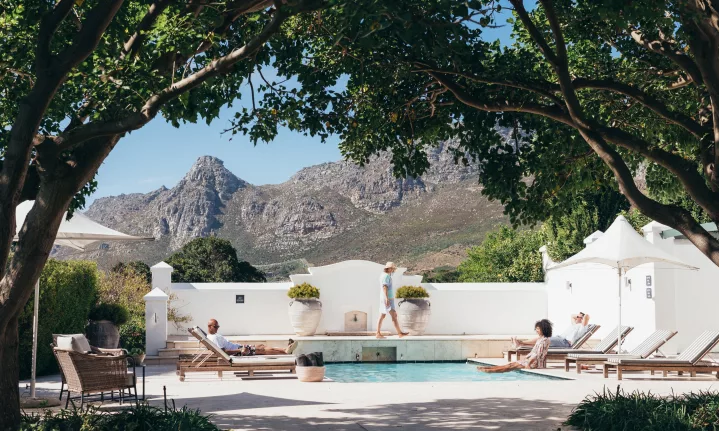
A spa treatment may still be part of the appeal, but travellers are also looking for other ways to slow down, recharge and disconnect from everyday life.
That could mean walking through vineyards, spending time in nature, enjoying a leisurely meal or simply having enough space in the itinerary to do very little.
“People are looking for moments of restoration,” says Louw. “Sometimes that comes through a spa treatment, but it can just as easily come from spending time in nature, enjoying an unhurried meal or simply having space to disconnect from everyday demands.”
This broader interpretation of wellness is changing how hotels design the guest experience, bringing together accommodation, nature, food, movement and relaxation rather than treating wellness as something confined to a spa.
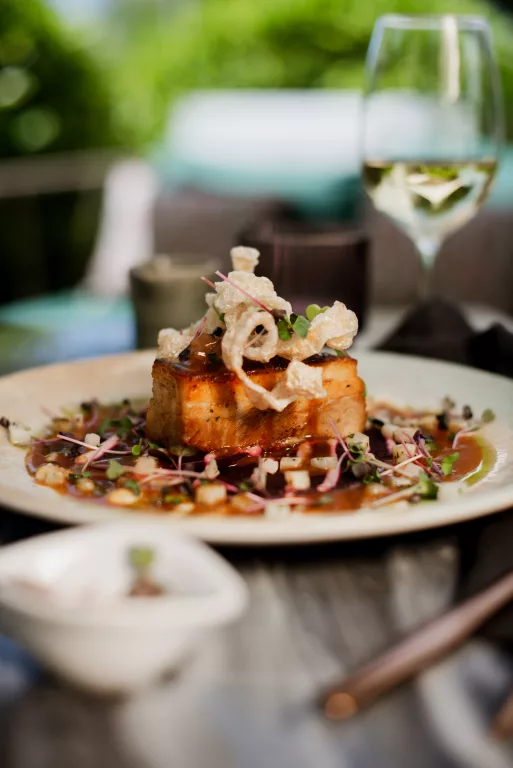
Food is becoming part of the destination
Picture: Supplied
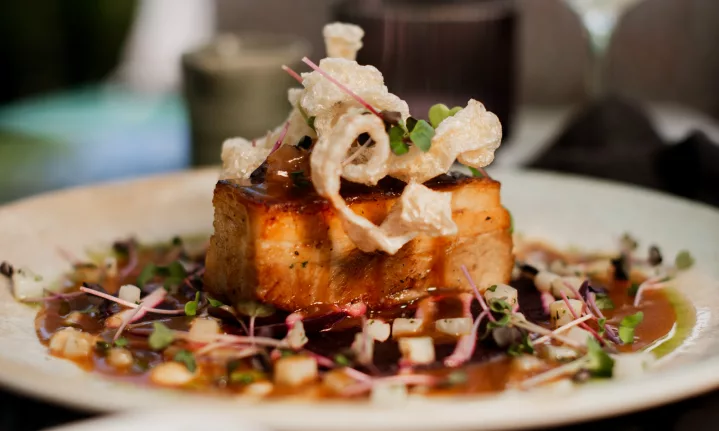
Dining is another increasingly important part of the luxury hotel experience.
For many travellers, a memorable restaurant can influence where they choose to stay, rather than simply being a convenient place to eat once they arrive.
Research cited in JLL’s 2025 Hotel Restaurant Report found that 60% of luxury travellers prioritise hotels with great restaurants.
Food and wine can also provide one of the strongest connections to a destination. Local ingredients, regional traditions, wine estates and distinctive settings can give visitors an experience they cannot easily replicate elsewhere.
“Food has an incredible ability to create memories,” says Louw. “Often it is the meal, the setting or the people around the table that guests remember long after a trip has ended.”
A stronger sense of place
Perhaps the biggest change is the growing importance of a hotel’s relationship with its surroundings.
Travellers can find beautiful hotels in destinations around the world, but what makes one stay memorable may be the things that could only happen there.
At destinations such as Steenberg, guests can combine accommodation with vineyards, restaurants, spa experiences and the surrounding landscape. Their stay can be shaped around food and wine, wellness, nature or simply taking time to explore.
“A strong sense of place is also emerging as one of the most valuable aspects of luxury hospitality,” says Louw. “Guests can find beautiful hotels almost anywhere in the world. What stands out is a destination’s history, landscape, people and character.”
For South African properties, this presents an opportunity to make the country’s landscapes, food, wine, heritage and wildlife part of the luxury proposition rather than simply a backdrop to it.
The hotel as a destination
The traditional hotel model was relatively straightforward: provide a comfortable room, good service and the amenities expected at its particular level.
The new version is more interconnected.
A guest might spend the morning exploring a vineyard, have lunch at a destination restaurant, book a wellness treatment in the afternoon and finish the day with a locally inspired dinner. The accommodation becomes one part of a much larger experience.
That does not mean traditional luxury is disappearing. Instead, the definition is becoming broader.
The most memorable stays may no longer be those with the biggest rooms or the longest list of amenities, but those where accommodation, service, food, wellbeing and a sense of place come together naturally.
“The hotels people remember are the ones that create a genuine sense of connection,” says Louw. “Ultimately, that is what keeps guests coming back.”
Follow us on social media for more travel news, inspiration, and guides. You can also tag us to be featured.
Instagram | Facebook | Twitter
ALSO READ:
These are the world’s best hot air balloon festivals for 2026