







Between busy work seasons, school terms and big annual holidays lies a quieter window that is often overlooked. These in-between weeks are ideal for shorter, more intentional, and deeply restorative travel. Without the pressure of peak-season crowds or packed itineraries, they allow space to reset both mentally and emotionally.

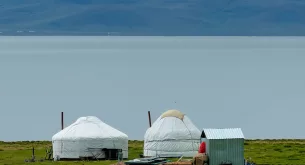
Image used for illustrative purposes/Marissa Grootes/Unsplash
Psychologists and travel researchers consistently show that even brief getaways can lower stress, improve mood, spark creativity and help prevent burnout. The real benefit comes from choosing the right kind of trip for your current mindset rather than defaulting to what feels conventional or aspirational.
Here are three types of trips that work particularly well during in-between weeks, the travel personality they suit best and why they are so beneficial for mental health.
Nature immersion trips for mental reset and calm
Best for travellers who feel overwhelmed, overstimulated or mentally exhausted
When life feels loud, and your thoughts refuse to slow down, nature has a proven ability to regulate the nervous system. Time spent outdoors lowers cortisol levels, reduces anxiety and restores attention by giving the brain a break from constant stimulation.
Nature immersion trips are most effective when the goal is not merely ticking off activities but rather being fully present in natural surroundings.
Where to go
Forest destinations like Tsitsikamma, Hogsback or the Cederberg are ideal for slow hikes, forest bathing and long walks without distractions. Mountain escapes such as the Drakensberg or Clarens offer expansive views that encourage perspective and mental clarity.
Coastal trips are equally powerful for mental well-being. Quiet seaside towns like De Kelders, Port St Johns or the quieter stretches of the Garden Route tap into what researchers call the blue mind effect. The rhythm of the ocean helps regulate breathing, improves sleep quality and promotes a sense of calm.
Why it works for mental health
Nature engages the senses gently rather than aggressively. This allows the brain to recover from decision fatigue and digital overload. For many people, even two or three days immersed in green or blue spaces can restore focus, improve emotional regulation and reduce feelings of burnout.
Wellness and mindful getaways for emotional balance
Best for travellers experiencing burnout, stress or emotional fatigue
Wellness trips are not about indulgence alone. They are designed to create space for rest, reflection and intentional self-care. In-between weeks are ideal for these trips because they remove the pressure to do too much and instead focus on how you feel.
Wellness travel can range from structured yoga retreats to simple spa weekends with room to breathe.
Where to go
Franschhoek, Montagu and parts of the Drakensberg are well suited to wellness-focused escapes. Look for places that offer yoga sessions, meditation spaces, spa treatments or guided breathing practices in peaceful settings.
Smaller, locally run retreats often feel less performative and more grounding. Even a two-night stay that includes gentle movement, nourishing food and limited screen time can have noticeable mental health benefits.
Why it works for mental health
Wellness trips encourage nervous system regulation through movement, rest and routine. They help break cycles of chronic stress and give travellers tools they can carry home, such as mindfulness practices, better sleep habits and improved body awareness.
These trips are especially valuable during the in-between weeks when you are not running on adrenaline and can truly slow down.
Creative and curious city breaks for inspiration and perspective
Best for travellers feeling stuck, bored or mentally flat
Not all mental fatigue comes from stress. Sometimes it comes from monotony. Creative city breaks introduce novelty, which stimulates the brain and improves cognitive flexibility. New environments encourage curiosity, presence and fresh ways of thinking.
These trips work best when they focus on culture, food, history and local stories rather than rushing between attractions.
Where to go
Makhanda offers a rich mix of heritage, arts and storytelling in a compact setting that suits short stays. Knysna and Oudtshoorn combine creative communities with nature and slower rhythms. Cape Town works well if you focus on neighbourhood exploration, local markets, museums and walking routes rather than major tourist hotspots.
For African travel beyond South Africa, cities with strong cultural identities and manageable scales are ideal for short creative escapes.
Why it works for mental health
Novel experiences activate dopamine and increase engagement with the present moment. Cultural exploration also builds empathy and perspective, helping travellers feel more connected to the world beyond their own routines.
For many people, a creative city break reignites motivation and joy more effectively than rest alone.
Why in-between weeks are ideal for mental health travel
Short, intentional trips spread throughout the year are often more beneficial for mental well-being than saving all your energy for one annual holiday. In-between weeks come with fewer crowds, lower costs and less pressure to maximise every moment.
These trips allow you to travel with your mental state in mind rather than external expectations. They encourage regular reset points that support resilience, creativity and emotional balance over time.
How to choose the right trip for your current mindset
Before booking, ask yourself what you are truly craving. Is it quiet and nervous system regulation, emotional support and rest, or stimulation and inspiration? Choosing a trip that matches your mental state rather than fighting it is what makes these short breaks so effective.
In-between weeks are not filler time. They are opportunities to travel with intention and return home feeling genuinely restored.
Follow us on social media for more travel news, inspiration, and guides. You can also tag us to be featured.
TikTok | Instagram | Facebook | Twitter
ALSO READ: The pros and cons of travelling without a checklist