





From the forests of Nigeria to the coastal waters of Thailand, conservationists have had plenty to celebrate this week.
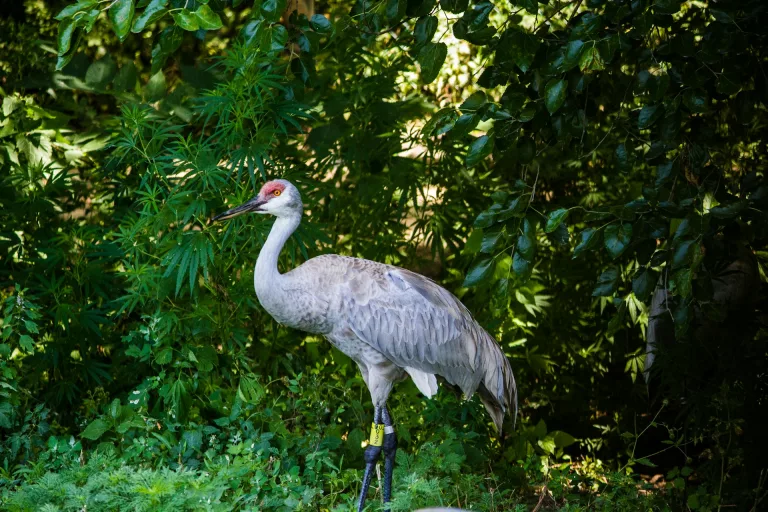
Image used for illustrative purposes/Whooping Crane/Jeffrey Hamilton/Unsplash
A series of wildlife victories, both big and small, are helping to secure a brighter future for some of the world’s most vulnerable species. Here are six stories that prove conservation can make a difference.
A bat returns from the shadows in Nigeria
One of the most exciting wildlife stories of the week comes from Nigeria, where researchers rediscovered the short-tailed roundleaf bat after decades without confirmed sightings.
The tiny bat had been feared extinct, making its rediscovery a significant moment for conservation science. Finding a species thought to be lost is more than just a scientific milestone. It provides conservationists with an opportunity to better understand the species’ habitat needs and implement measures to protect remaining populations.
The rediscovery has already sparked renewed conservation efforts in the region, including habitat protection initiatives, anti-poaching programmes and environmental education projects. It serves as a powerful reminder that some species can persist undetected for years, especially in underexplored ecosystems.
A safer future for Asia’s only wild lions
India’s endangered Asiatic lions received a major boost this week with the completion of the first dedicated wildlife underpass in the Gir landscape. The Gir Forest region in Gujarat is the only place on Earth where Asiatic lions survive in the wild. As infrastructure expands, roads and railway lines can fragment habitats and increase the risk of wildlife collisions.
The newly completed underpass allows lions and other animals to move safely beneath railway infrastructure, maintaining important migration routes while reducing the likelihood of fatal encounters with trains. Wildlife crossings such as these are increasingly recognised as essential conservation tools. By reconnecting habitats, they help maintain healthy populations and improve genetic diversity among wildlife species.
Giving endangered bees room to thrive
Pollinators play a crucial role in ecosystems and agriculture, yet many species continue to face significant challenges. This week brought encouraging news for the rusty patched bumble bee, one of North America’s most endangered pollinators. The species gained critical habitat protection covering approximately 1.5 million acres across several states.
Habitat loss remains one of the greatest threats to pollinator populations worldwide. Protecting large areas of suitable habitat helps ensure access to food sources, nesting sites and safe breeding grounds. Healthy pollinator populations support not only wild plants but also many crops that people rely on every day. Conservation actions that benefit bees often create broader ecosystem benefits for countless other species.
A giant step for ocean conservation
In the Pacific, Papua New Guinea announced the protection of a vast marine area roughly the size of the United Kingdom. The new marine protected area safeguards an extraordinary range of biodiversity, including coral reefs, fish species and other marine life that depend on healthy ocean ecosystems.
Marine protected areas are increasingly important tools in global conservation efforts. They can help reduce overfishing, protect breeding grounds and strengthen ecosystem resilience in the face of climate change. For island nations such as Papua New Guinea, protecting marine environments is particularly important because local communities often depend on healthy oceans for food security, livelihoods and cultural traditions.
Communities helping dugongs survive
Off the coast of Thailand, local communities are playing a leading role in efforts to protect one of the ocean’s most charismatic marine mammals. Dugongs, often called “sea cows”, rely heavily on healthy seagrass meadows for food. Across parts of their range, habitat degradation has contributed to population declines.
On Koh Libong, community-led conservation initiatives are helping restore seagrass habitats while promoting sustainable fishing practices and dugong-friendly policies. This approach highlights an important lesson in modern conservation. Long-term success often depends on local people becoming active partners in protecting wildlife rather than simply being observers of conservation projects.
A comeback story more than a century in the making
In the United States, black bears continue to reclaim parts of Ohio where they had disappeared more than 100 years ago. Wildlife officials have reported increasing bear sightings as populations gradually expand into former ranges. The trend reflects years of conservation work, improved habitat management and changing attitudes toward wildlife.
Researchers are now using tracking programmes to better understand how bears are moving through the landscape and how people and wildlife can coexist safely. The return of large mammals to areas where they were once eliminated is often viewed as a sign of improving ecosystem health. It demonstrates that with sufficient habitat and protection, species can recover even after long periods of absence.
Reasons for optimism
Conservation challenges remain immense, but this week’s wildlife successes offer valuable reasons for optimism. From a tiny bat rediscovered in Nigeria to lions navigating safer landscapes in India, these stories show that positive outcomes are possible when science, policy and community action come together.
Whether it is protecting pollinators, safeguarding marine ecosystems or supporting the return of iconic mammals, each success contributes to a broader picture of hope. Wildlife recovery is rarely quick or simple, but these achievements demonstrate that progress is happening and that every conservation victory matters.
Follow us on social media for more travel news, inspiration, and guides. You can also tag us to be featured.
Instagram | Facebook | Twitter | Spotify
ALSO READ:
South Africa’s largest rhino horn trafficking case ends with sentencing after 16 years