



When dusk settles over the African bush, the first silhouettes to appear in the fading light are often bats, writes Miriam Kimvangu.
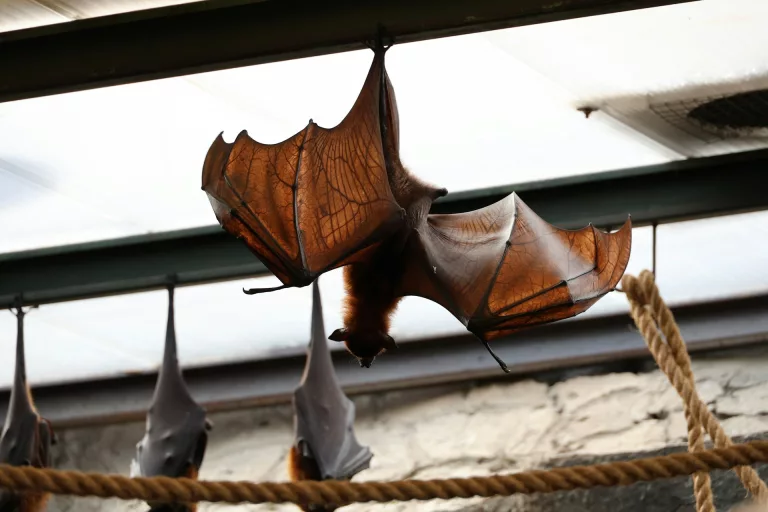
Kathrine Heigan/Unsplash
Their movement is quick and quiet, flitting across the sky in sharp turns as they hunt. Many travellers notice them but rarely think twice about their role in the natural world. Yet bats are among the most important and misunderstood animals on the planet. Across Africa, bats perform essential ecological work that keeps ecosystems balanced and healthy. They pollinate plants, disperse seeds and control insect populations that would otherwise overwhelm crops and natural landscapes. Without bats, the delicate systems that support nature and wildlife would begin to unravel.
Despite their importance, bats often struggle against a reputation built on myth and misunderstanding. Conservationists across Southern Africa are working to change this perception, highlighting the animals’ ecological value and protecting the cave systems that serve as their homes.
Nature’s night shift
Globally there are more than 1,400 species of bats, making them the second largest group of mammals after rodents. Africa alone hosts hundreds of species, many of which rely on caves, cliffs and forest canopies for shelter during the day.
Their most visible contribution is insect control. Many bat species consume vast numbers of insects every night, including agricultural pests and mosquitoes. A single insect-eating bat can consume thousands of insects in one evening. Multiply that across an entire colony and the impact becomes enormous. Farmers benefit from natural pest control while ecosystems remain balanced without heavy reliance on pesticides.
Fruit bats and nectar-feeding species provide a different but equally valuable service. As they feed, they carry pollen between plants and disperse seeds over large distances. This process helps regenerate forests and maintain biodiversity, particularly in tropical and subtropical environments. Without bats, certain plant species would struggle to reproduce, and insect populations could surge. Their presence quietly supports many parts of the food chain.
The importance of caves
For many bat species, caves are critical habitats. These dark and stable environments provide safe spaces for roosting, breeding and raising young. Temperature and humidity inside caves remain relatively constant, which is essential for bats that depend on stable conditions to survive.
However, cave ecosystems are sensitive. Disturbance from excessive tourism, habitat destruction and climate change can disrupt bat colonies. Responsible visitation and conservation initiatives are therefore essential to protect these environments. Several cave systems across Southern Africa allow visitors to experience these habitats while supporting conservation awareness.
Sudwala Caves
Located along the Panorama Route in Mpumalanga, the Sudwala Caves are among the oldest known caves in the world, with rock formations estimated to be hundreds of millions of years old. These limestone caverns provide shelter to several bat species that roost deep within the chambers. Guided tours take visitors through vast halls and narrow passageways while explaining the geology and ecological significance of the cave system. The experience offers insight into the delicate environments bats rely on and the importance of protecting subterranean habitats.
Cango Caves
One of South Africa’s most famous natural attractions, the Cango Caves near Oudtshoorn draw visitors with their dramatic stalactites and cavernous chambers. While the formations are the main draw, the caves also provide refuge for bat colonies that occupy darker sections of the system. Educational tours emphasise the fragile nature of cave ecosystems. Lighting, pathways and visitor numbers are carefully managed to minimise disturbance to wildlife. This balance between tourism and conservation illustrates how natural landmarks can be shared responsibly.
ALSO READ: Wildlife rehabilitation centres in Southern Africa you can visit responsibly
Lobatse Caves
In Botswana, the Lobatse Caves are less visited but equally significant. These rocky shelters and cave formations support bat populations and offer a glimpse into the rugged landscapes of southern Botswana. Exploring these caves often involves guided excursions with local experts who understand the ecological importance of the area. Visitors learn about the species that inhabit the caves and the broader conservation challenges facing bat populations across the region.
Matobo Hills cave systems
The granite hills and cave systems of Matobo Hills in Zimbabwe form one of the region’s most striking landscapes. Many of the caves contain ancient rock art created by San communities thousands of years ago. At the same time, they continue to serve as shelter for bats and other wildlife. The overlapping layers of cultural heritage and biodiversity make Matobo Hills a powerful example of how natural spaces can hold ecological and historical value at the same time. Conservation efforts in the area aim to protect both the archaeological sites and the wildlife that depend on these caves.
Seeing bats differently
Bats rarely receive the admiration given to larger wildlife, yet their influence on ecosystems is immense. They work through the night to maintain balance in ways that often go unnoticed. Exploring the caves of Southern Africa provides a window into one of nature’s most important yet overlooked conservation stories.
The next time bats appear against a twilight sky, they may look less like mysterious shadows and more like essential partners in the health of the natural world.
Follow us on social media for more travel news, inspiration, and guides. You can also tag us to be featured.
TikTok | Instagram | Facebook | Twitter
ALSO READ:
Searching for Africa’s ‘ghost elephants’: The story behind the new documentary