




Four endangered African wild dogs have been spotted in Malawi’s Kasungu National Park for the first time in more than 10 years, marking a significant conservation milestone and offering fresh hope for the recovery of one of Africa’s rarest predators.
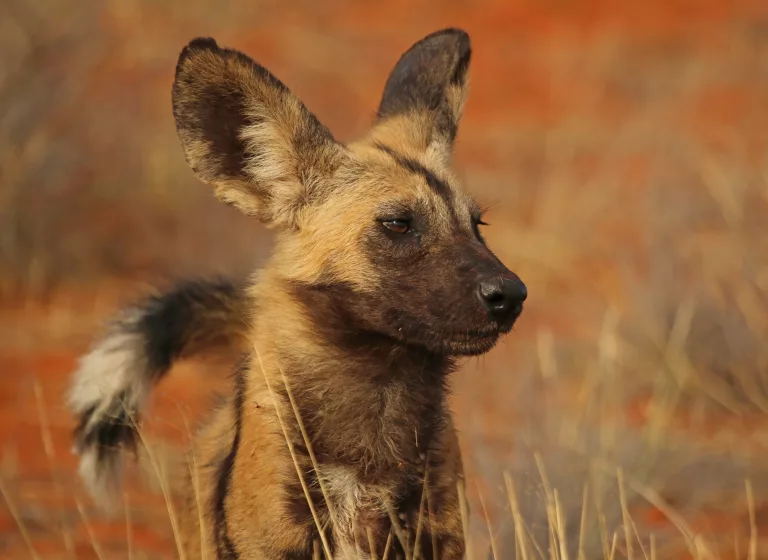
Image used for illustrative purposes/Charles J. Sharp/Wikimedia Commons
According to Mongabay, the four wild dogs (Lycaon pictus) are believed to have travelled approximately 300 kilometres from Zambia’s South Luangwa National Park, crossing parts of the Malawi-Zambia Transfrontier Conservation Area (TFCA) before arriving in Kasungu.
Researchers from the Zambian Carnivore Programme were able to identify the animals using a long-running database of known wild dogs from South Luangwa and the Luangwa Valley. The pack had last been recorded in May near Mfuwe village, just outside the national park.
Their remarkable journey suggests that wildlife corridors linking Zambia and Malawi are functioning, despite the challenges posed by settlements, agriculture and other human activity.
Matthew Becker, chief executive of the Zambian Carnivore Programme, told Mongabay that the sighting is encouraging for the future of the species.
“It’s very promising” that the wild dogs were able to disperse naturally from South Luangwa into Malawi, Becker said, adding that he hopes this signals more movement between the two countries in future.
A welcome return for an endangered predator
The discovery was made on 17 July by Gervaz Thamala, field operations manager for the International Fund for Animal Welfare (IFAW) in Kasungu, who encountered the animals just a few hundred metres from the park’s main entrance.
“They were so relaxed,” Thamala told Mongabay, describing how he photographed the dogs from his vehicle before leaving them undisturbed.
The sighting is especially significant because former wild dog den sites in Kasungu have remained inactive for years, raising concerns that the species had disappeared from the park altogether.
ALSO READ:
A recovering ecosystem
Conservationists believe Kasungu is becoming increasingly suitable habitat once again.
In 2022, Malawi’s government partnered with IFAW and African Parks to reintroduce hundreds of animals to the park, including elephants, impalas and warthogs. The growing impala population provides an important food source for African wild dogs, increasing the likelihood that the newly arrived pack could remain in the area.
Bruce Sosola, IFAW Malawi’s country director, said the organisation’s work to reconnect habitats and reduce human-wildlife conflict within the transfrontier conservation area is helping wildlife move more freely across international borders.
“The natural return of African wild dogs to Kasungu National Park after a decade isn’t just an extraordinary sighting, it’s proof that our ecosystem is truly healing,” Sosola said in a statement shared with Mongabay.
Why African wild dogs are important
African wild dogs are among the continent’s most endangered large carnivores. Once widespread across sub-Saharan Africa, their populations have declined dramatically due to habitat fragmentation, disease, conflict with humans and accidental deaths in snares.
Their return to Kasungu is an encouraging sign that collaborative conservation efforts and cross-border protected areas can help restore natural wildlife movements and strengthen populations over time.
Follow us on social media for more travel news, inspiration, and guides. You can also tag us to be featured.
Instagram | Facebook | Twitter | Spotify
ALSO READ:





_head.jpg)