
Beachgoers across parts of the Western Cape are being warned not to touch or eat dead or dying sardines washing up along the coastline as authorities investigate an unexplained marine die-off stretching from Saldanha Bay to Gansbaai, Cape {town} Etc reports.
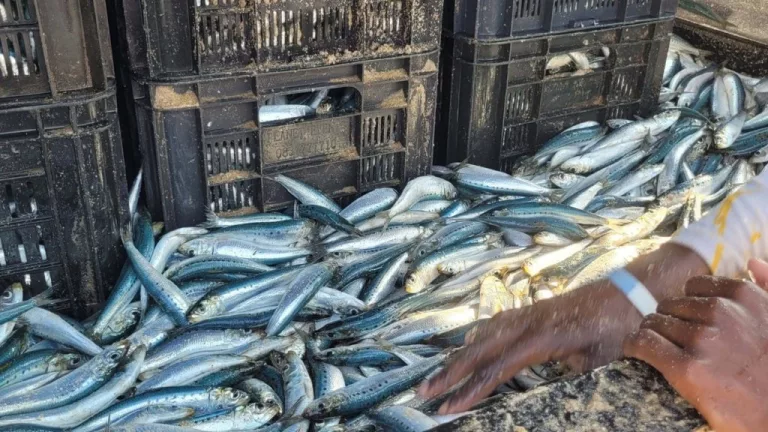
Picture: PrivateGuy – South Coast Living & Lifestyle / Facebook
In an official statement, the Department of Forestry, Fisheries and the Environment (DFFE) says reports have been pouring in from anglers, fishers and members of the public after large numbers of sardines were spotted floating at sea and washing onto beaches.
Some sightings have also been recorded several nautical miles offshore near Hout Bay, suggesting the event is affecting a broad section of the coastline. While the sight of dead fish can be alarming, officials say the cause has not yet been identified and have urged the public not to speculate until scientific testing has been completed.
As investigations continue, the DFFE has issued a clear safety warning.
‘Members of the public are strongly advised not to collect, handle or consume dead or dying fish found on beaches or floating at sea.’ – Department of Forestry, Fisheries and the Environment (DFFE)
The warning applies to anyone visiting beaches, fishing along the coast or encountering fish drifting on the ocean’s surface.
ALSO READ:
What’s in season? Your guide to travelling South Africa in August
Scientists collected the first fish samples in Saldanha Bay over the weekend with the assistance of a commercial fishing vessel. Laboratory testing is now underway, while scientific observers have also been deployed on fishing boats to monitor how widespread the mortality event may be.
One possible explanation under investigation is a harmful algal bloom currently affecting the Saldanha Bay area. The bloom has been linked to the microscopic marine organism Alexandrium catenella, which is known to produce toxins under certain conditions.
However, the department has stressed that there is no evidence yet that the bloom is responsible for all the reported sardine deaths.
‘Given the wide geographic extent of the reported sardine mortality, it cannot at this stage be assumed that this bloom is responsible for all the reported mortalities.’ – Department of Forestry, Fisheries and the Environment (DFFE)
Researchers will also examine other possible causes, including environmental conditions, water quality and fish disease, before reaching any conclusions.
Although fish kills occasionally occur along the South African coastline, they are often linked to a range of natural and environmental factors, making scientific testing essential before identifying a cause.
The DFFE says additional updates will be released once the first round of diagnostic testing has been completed.
Article shared by Cape Etc.
Follow us on social media for more travel news, inspiration, and guides. You can also tag us to be featured.
Instagram | Facebook | Twitter | Spotify
ALSO READ: