

South Africa’s wetlands are easy to overlook.
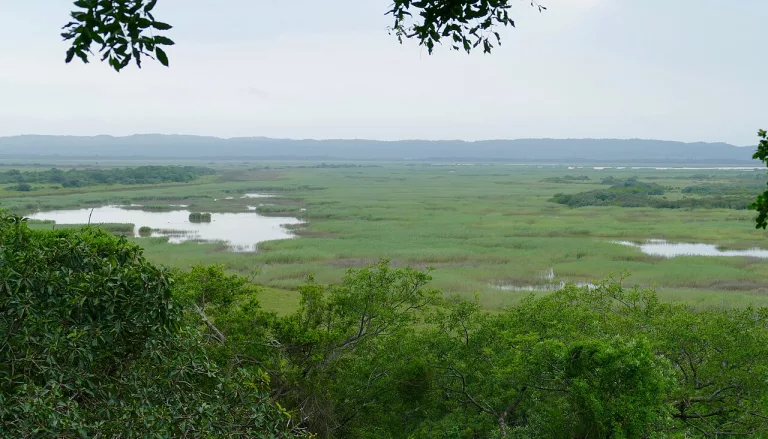
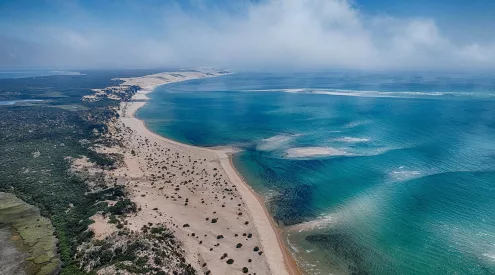
iSimangaliso Wetland Park/Bernard DUPONT/Wikimedia Commons
They rarely have the drama of a mountain range or the instant appeal of a game reserve, but these waterlogged landscapes quietly perform some of the country’s most important ecological work. Wetlands store water, support biodiversity, filter pollutants and help regulate the flow of rivers. They are also vital habitat for birds, amphibians, fish, insects and plants.
Yet many are in trouble.
The latest National Biodiversity Assessment paints a worrying picture. Of the more than 2.6 million hectares of inland wetlands mapped for the assessment, about 86% is considered threatened. Of the 82 wetland ecosystem types assessed, 60 are classified as threatened, including 15 that are Critically Endangered. So what is happening to South Africa’s wetlands?
More than just a waterlogged patch of land
Wetlands are defined by the presence of water, either permanently or seasonally, and the ecological processes that develop around it. Some are obvious, while others can be surprisingly subtle, filling with water only during particular seasons. Their importance extends far beyond their boundaries. Wetlands can slow and store water, helping to reduce flooding while releasing water gradually into rivers and groundwater systems. They can also improve water quality by trapping sediments and pollutants.
This makes wetlands a crucial part of South Africa’s water-security infrastructure. Strategic Water Source Areas, including wetlands, rivers and mountain catchments, occupy only about 10% of the country but supply more than half of its water. Lose the wetland and you are not simply losing habitat. You are weakening part of the natural system that helps keep water moving through the landscape.
So why are they disappearing?
There is no single culprit. Agriculture, urban expansion, mining, roads and other infrastructure can directly transform or fragment wetlands. Drainage and changes to surrounding land can alter the way water enters and leaves these systems.
Then there is pollution. Fertiliser, sewage, industrial pollution and sediment can all degrade wetland water quality, affecting the plants and animals that depend on them.
Invasive alien species add another pressure, while water abstraction can reduce the amount of water reaching wetlands in the first place. The National Biodiversity Assessment identifies pollution, invasive species and altered water flows among the major pressures facing South Africa’s aquatic ecosystems.
Climate change adds another layer of complexity. Changes in rainfall patterns, drought and increasing temperatures can alter wetland hydrology, making already-degraded systems even more vulnerable.
The peatland problem
Some of South Africa’s wetlands are particularly valuable because they contain peat, partially decomposed organic material that accumulates over long periods in waterlogged conditions. Peatlands are natural carbon stores, but they depend on waterlogged conditions to remain stable. When water levels fall for sustained periods, peat can dry out, increasing its vulnerability to erosion and fire. And unlike many habitats, damaged peatlands are not something we can simply recreate in a few decades. SANBI notes that forming new peat can take thousands of years.
The overlooked biodiversity hotspots
Wetlands provide breeding and feeding grounds for birds, habitat for aquatic plants and invertebrates, and important refuges for freshwater species. Because wetlands occur across such different landscapes, from the Highveld and Drakensberg to the Western Cape and KwaZulu-Natal, each wetland type can support its own distinctive ecological community. The current assessment shows particularly high concentrations of threatened wetlands in parts of the Free State, North West, Northern Cape, Western Cape, Limpopo and KwaZulu-Natal.
Can we save them?
Yes, but protecting wetlands requires more than drawing boundaries around them.
The latest assessment shows that inland wetlands are severely under-protected, with nearly 80% of wetland ecosystem types classified as Poorly Protected or Not Protected. Conservation therefore needs to include better land-use planning, protection of natural water flows, pollution control, invasive-species management and restoration of degraded wetlands. And prevention matters. Restoring a wetland can be considerably more expensive than conserving one that is still functioning.
South Africa’s wetlands may not always be the landscapes we notice first. But perhaps that is precisely why they need more attention. They are working quietly in the background, storing water, supporting wildlife and keeping ecosystems functioning.
The question is no longer simply whether wetlands are disappearing. It is whether we recognise their value quickly enough to stop losing them.
Follow us on social media for more travel news, inspiration, and guides. You can also tag us to be featured.
Instagram | Facebook | Twitter | Spotify
ALSO READ:
9 South African places with the strangest names and the stories behind them



.jpg)