
Thousands of years ago, forests grew where the Indian Ocean now laps against Mozambique’s coast. Today, their remains lie beneath the waves, providing shelter for fish, lobsters and other marine life.
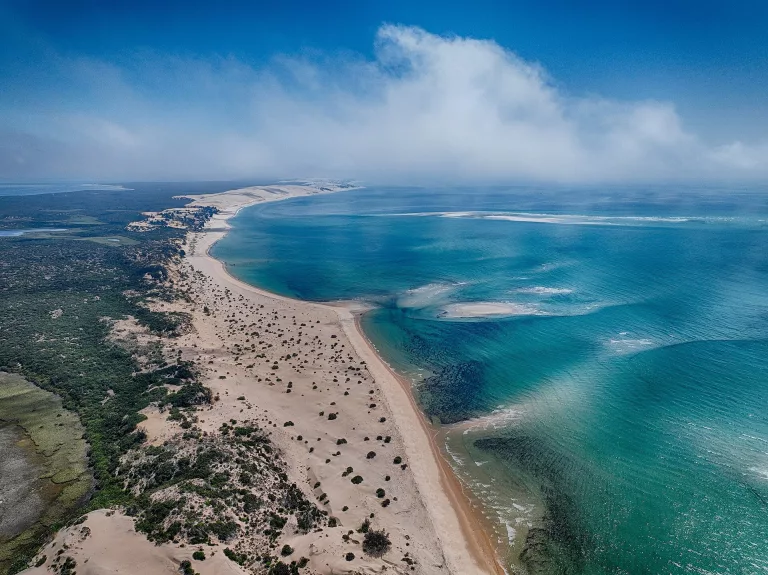
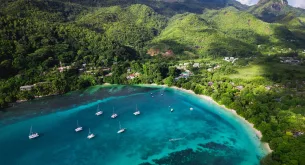
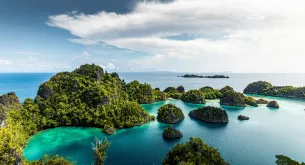
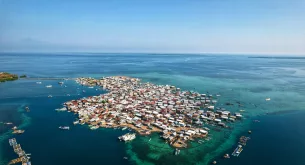
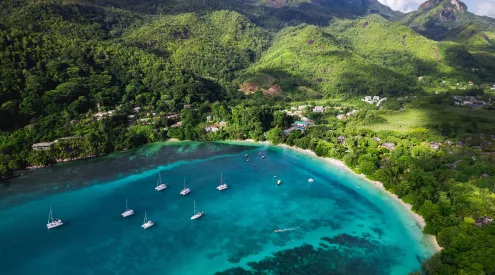
Bazaruto Island Mozambique from air / Tom Corser / Wikimedia Commons
Researchers studying the Bazaruto Archipelago discovered that ancient peat deposits, formed from decaying plant material, have become underwater reefs. They may not look like traditional coral reefs, but they support many of the same fish species.
The findings reveal an unexpected side to the region’s marine life and show how much scientists still have to learn about the habitats beneath the ocean’s surface.
How ancient forests became underwater reefs
Around 5,000 years ago, rising sea levels flooded coastal forests and wetlands. Over time, layers of plant material compressed into peat, preserving the remains of the landscape.
As sand shifted and waves eroded the seabed, sections of this ancient peat became exposed. Their rough surfaces and crevices created shelter for marine life.
Researchers dated samples from the reefs to between roughly 300 and 5,000 years old, confirming that the formations originated from terrestrial vegetation rather than marine plants.
A home for marine life
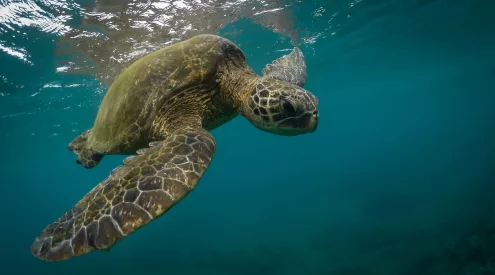
During surveys in 2023, divers recorded fish, sharks, rays and turtles around the peat reefs. Young snappers and grunts sheltered among the formations, while spiny lobsters occupied their cracks and ledges.
The reefs supported between 26 and 36 small fish species at each of the three sites surveyed. A nearby coral reef supported 54, although the researchers found that different habitats attracted different marine communities.
The findings suggest these ancient forest remains offer important shelter and potential nursery grounds, particularly in areas where natural hard seabed is limited.
Why these reefs matter
The formations are not indestructible. Storms, cyclones and shifting sand can erode or bury the exposed peat, while scientists are still investigating how much carbon the deposits store and how they change over time.
Researchers believe similar reefs could exist in other parts of the world with coastal peatlands, including Southeast Asia, the Caribbean and West Africa. For now, however, more surveys are needed to establish how widespread they are.
The study highlights the importance of looking beyond familiar coral reefs when mapping and protecting marine habitats. Along Mozambique’s coast, the remains of ancient forests are supporting life in an unexpected way, offering a reminder that some of the ocean’s most interesting ecosystems have stories that began long before they were submerged.
Source (Earth.com)
Follow us on social media for more travel news, inspiration, and guides. You can also tag us to be featured.
Instagram | Facebook | Twitter | Spotify
ALSO READ:
Thimlich Ohinga: Kenya’s ancient stone settlement built without mortar