



Some of the country’s most character-filled hotels are not new builds at all.

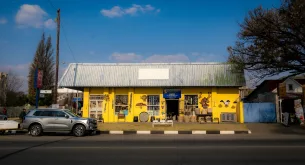
The Lord Milner Hotel/Unknown author/Wikimedia Commons
They are former post offices, banks, warehouses, convents and grand private homes that have been carefully restored and repurposed into places to stay. These heritage conversions preserve architectural legacies, support urban regeneration and give travellers a deeper connection to the places they visit.
The Lord Milner Hotel, Matjiesfontein
Original use: Military hospital during the South African War
Now: Heritage hotel in a preserved Victorian village
Built in 1899 by James Douglas Logan, the Milner Hotel was constructed at the outbreak of the South African War and was soon used as a military hospital and field headquarters. The hotel’s turret served as a lookout post, and thousands of British troops were stationed in and around Matjiesfontein at the time, turning the small railway settlement into a strategic military base.
Today, the restored hotel forms part of the wider Matjiesfontein Historic Village and retains much of its Victorian character, from period furnishings to wide verandas overlooking the railway line.
The Silo Hotel, Cape Town
View this post on Instagram
Original use: Grain silo complex
Now: Luxury hotel above Zeitz MOCAA at the V&A Waterfront
Perhaps South Africa’s most dramatic example of adaptive reuse, The Silo Hotel occupies the upper levels of what was once the tallest building in sub-Saharan Africa. The original concrete tubes that stored grain were carved out to create soaring atrium spaces and sculptural windows that frame the city, harbour and Table Mountain. While undeniably luxurious, the hotel also plays a significant role in preserving an industrial landmark that might otherwise have been demolished. Guests are staying in a building that once powered the Cape’s agricultural economy.
The Cellars-Hohenort, Constantia
View this post on Instagram
Original use: Farm estate and wine cellar dating back to the 17th century
Now: Luxury heritage hotel in the Constantia Valley
The Cellars-Hohenort began in 1693 as Klaasenbosch Farm, part of the early wine-growing landscape of the Constantia Valley and originally granted to Hendrik ten Damme of the Dutch East India Company. The Cellars building once functioned as the working wine cellar for the estate, while the neighbouring manor house known as Hohenort was added in the early 20th century by later owner Arnold Spilhaus, whose family name remains linked to the property. In the early 1990s hotelier Liz McGrath restored the historic Cellars building and later united it with the Hohenort manor to form the hotel as it exists today. Many original features were preserved, and the extensive gardens were carefully landscaped to reflect the estate’s long agricultural history.
The Drostdy Hotel, Graaff-Reinet
View this post on Instagram
Original use: Magistrate’s residence and administrative buildings
Now: Restored heritage hotel and fine dining destination
Graaff-Reinet is known for its Cape Dutch architecture, and The Drostdy Hotel anchors this historic town with buildings dating back to the early 19th century. The property combines restored manor houses with landscaped courtyards and modern amenities, allowing guests to stay within walking distance of museums and heritage sites.
Why heritage hotels matter for sustainable travel
Reusing historic buildings reduces the environmental impact associated with new construction while preserving cultural landmarks that define a destination’s identity. These projects also stimulate surrounding neighbourhoods, often attracting restaurants, galleries and small businesses that benefit from increased visitor traffic.
Follow us on social media for more travel news, inspiration, and guides. You can also tag us to be featured.
TikTok | Instagram | Facebook | Twitter
ALSO READ: Divide and Conquer