
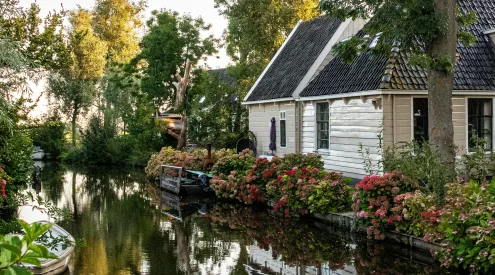



Benin’s political capital is a city of colourful facades, bustling markets and layered history. Over 48 hours, explore its Afro-Brazilian architecture, museums, royal heritage, local food and the waterways and craft traditions just beyond the city.
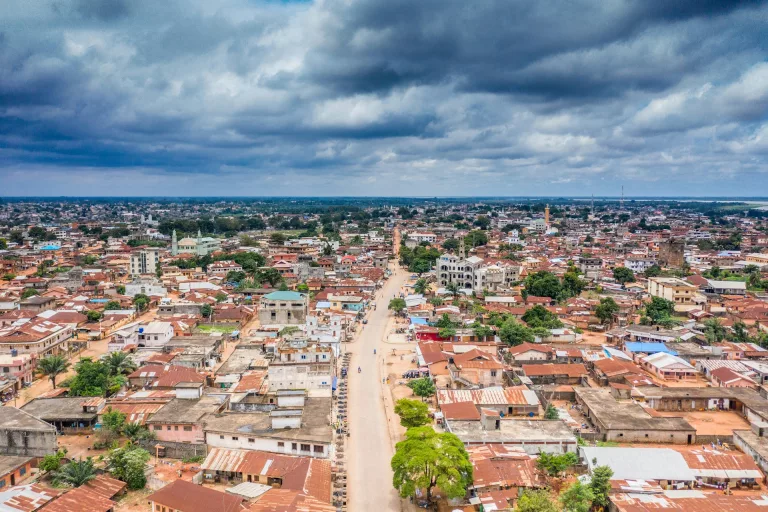
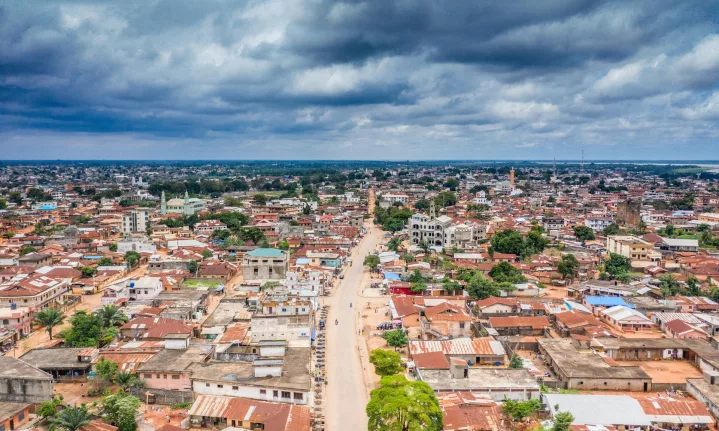
Porto-Novo, Benin/Yanick Folly/Unsplash
Porto-Novo is often overshadowed by Cotonou, but it offers a very different introduction to Benin. The city has been shaped by Yoruba and Goun traditions, colonial history and the influence of people who returned from Brazil, leaving behind a distinctive Afro-Brazilian architectural style. Its historic neighbourhoods and Royal Palace are also on UNESCO’s Tentative List.
Day one: Discover Porto-Novo’s historic heart

Grand Mosque of Porto-Novo/Adoscam/Wikimedia Commons
Start at the Grand Mosque
Begin your morning at the Grand Mosque of Porto-Novo, one of the city’s most recognisable landmarks. Built in the early 20th century, its colourful facade, tall towers and ornate details reflect the Afro-Brazilian architectural influence that runs through the historic centre.
The mosque is still a place of worship, so admire the building respectfully from the surrounding streets and follow local guidance if entering the grounds.
From here, walk through the older parts of the city, where grand buildings sit alongside smaller homes, shops and busy streets. This is where Porto-Novo’s history becomes part of everyday life rather than something confined to a museum.
Browse the markets
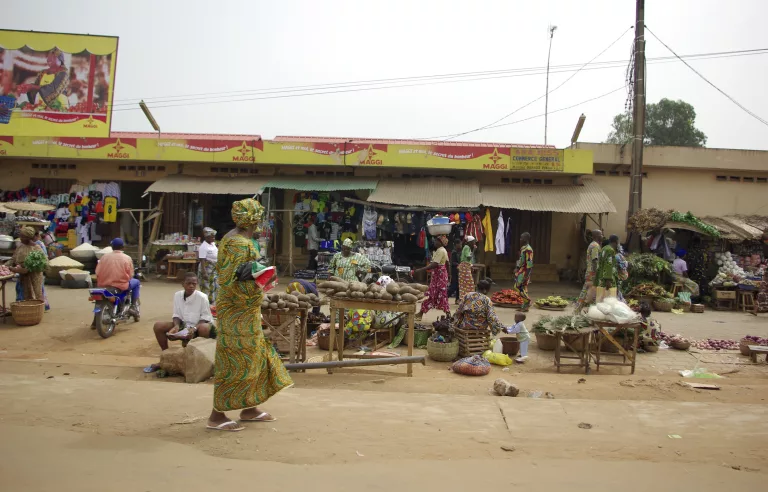
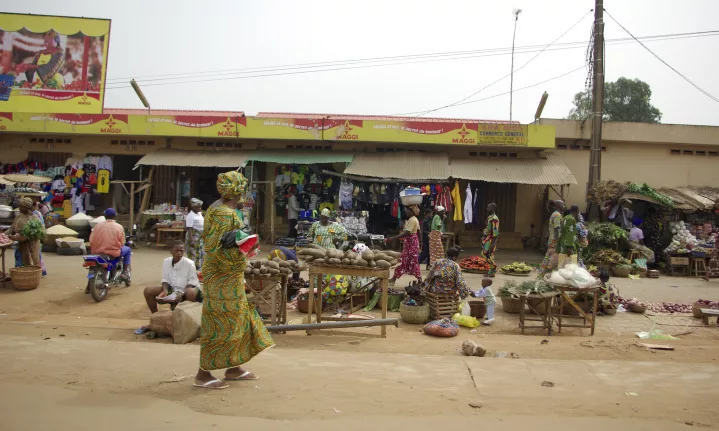
Ouando Market in Porto-Novo, Benin/Babylas/Wikimedia Commons
Set aside time to explore one of Porto-Novo’s markets. The experience is less about ticking off a particular sight and more about seeing the city at work.
Look out for colourful fabrics, fresh produce, spices, household goods and locally made crafts. Give yourself time to wander, watch the traders and sample something along the way.
Food is an important part of understanding Porto-Novo, where local traditions have been shaped by the city’s different cultural influences. Try dishes built around fish, maize, beans, yam and sauces, and look for small local eateries rather than sticking only to hotel restaurants.
Spend the afternoon with Porto-Novo’s history
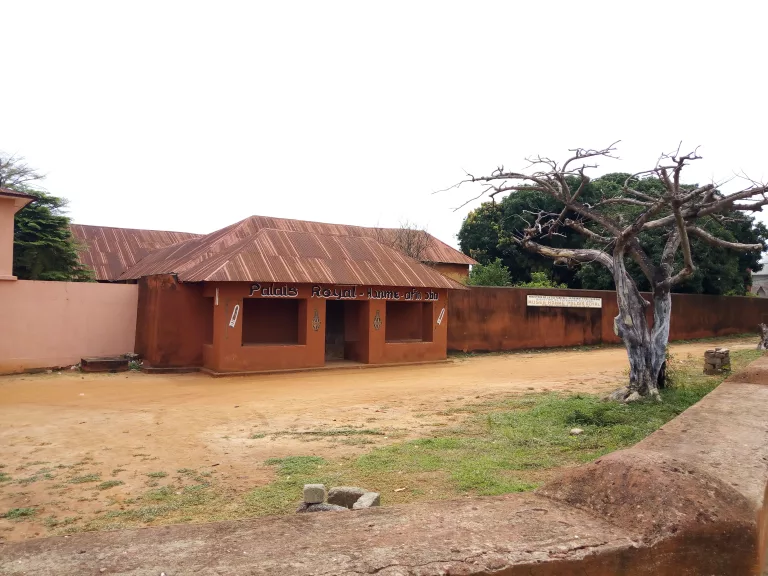
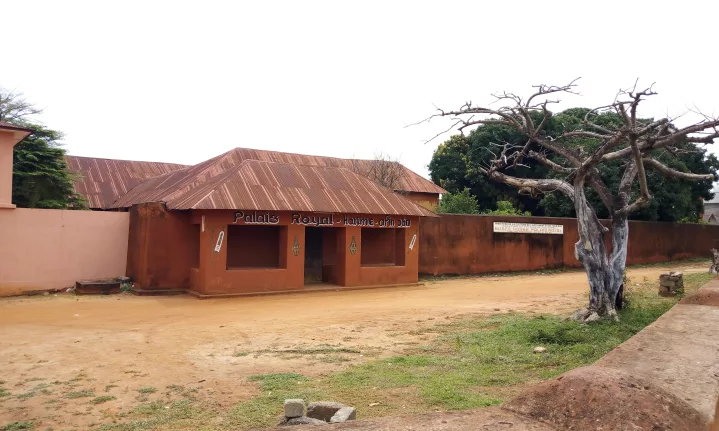
PALAIS ROYAL HONME/Adoscam/Wikimedia Commons
Visit the Royal Palace
Spend the afternoon at the PALAIS ROYAL HONME, also known as Musée Honmè.
The palace was associated with the rulers of Hogbonou and offers a glimpse into the history of Porto-Novo’s traditional monarchy. The site is particularly useful for understanding the city beyond its Afro-Brazilian architecture, showing another layer of the history that shaped the capital.
The Royal Palace and surrounding historic district form part of Porto-Novo’s UNESCO Tentative List site.
See the Panthéon Negro
Continue to Place Jean Bayol and the Panthéon Negro Et Africain De Porto Novo.
The small cultural attraction is dedicated to Black and African heritage and adds another perspective to the city’s story. Current listings show it as open daily, although travellers should confirm opening arrangements locally before visiting.
Place Jean Bayol is also worth a look in its own right, with the statue of Porto-Novo’s first king providing a useful landmark in the historic centre.
Leave time for the streets
Don’t fill the rest of the afternoon with attractions.
Porto-Novo is a city that rewards slow exploration. Walk past old houses, watch artisans at work and stop for a drink or snack when you find somewhere interesting.
This is also a good time to photograph the architectural details that can be missed when travelling between major sights.
Spend the evening eating and listening
As evening arrives, settle in for dinner and look for an opportunity to experience some of the city’s music or cultural traditions.
Porto-Novo’s heritage is not restricted to historic buildings. Traditional music, dance, craftsmanship and religious traditions remain part of the city’s cultural life.
The best way to end the first day is therefore not necessarily another sightseeing stop, but a meal and an evening spent experiencing the city at a slower pace.
End the day with local food and culture
As evening arrives, find a relaxed place for dinner and make the most of Benin’s food culture.
Try grilled fish, local sauces, maize-based dishes or beans, depending on what is available. This is also a good opportunity to seek out traditional drinks and locally produced ingredients.
If your visit coincides with a cultural performance or local event, make time for it. Porto-Novo’s heritage is not simply displayed behind glass. Music, dance, craftsmanship and religious and cultural traditions continue to shape life in the city. Benin Tourism describes Porto-Novo as a destination where these living traditions remain an important part of its identity.
ALSO READ:
Day two: The city and the waterways
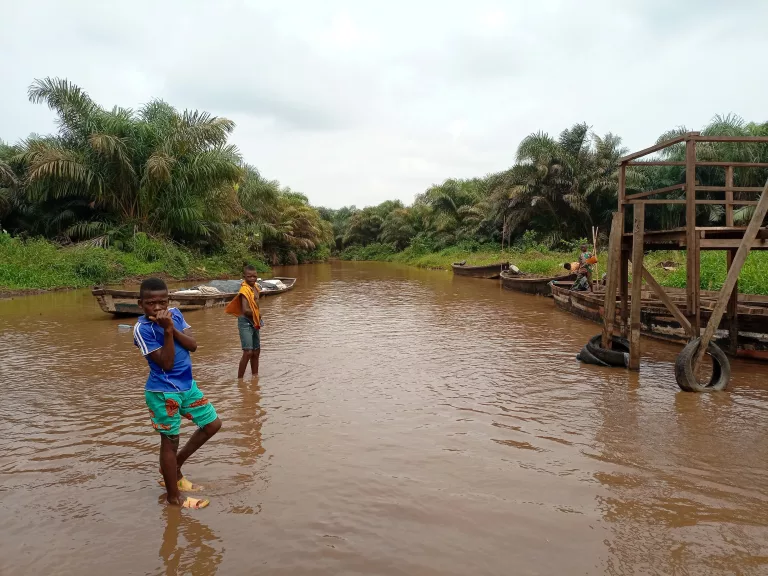
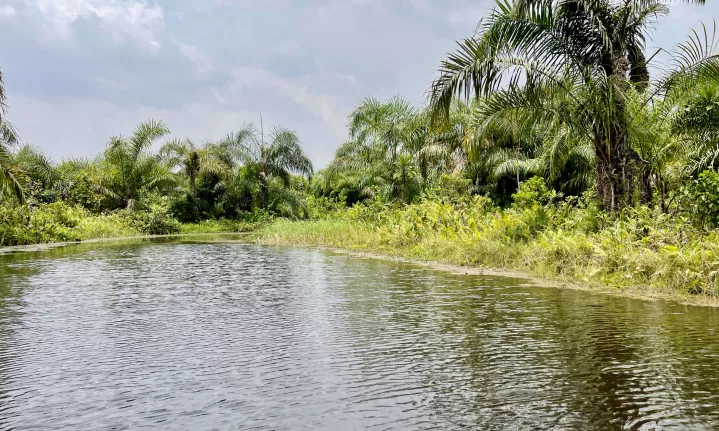
Adjarra/Aimeabibis/Wikimedia Commons
See another side of the city
Porto-Novo is also a useful base for exploring the greener landscapes around the capital.
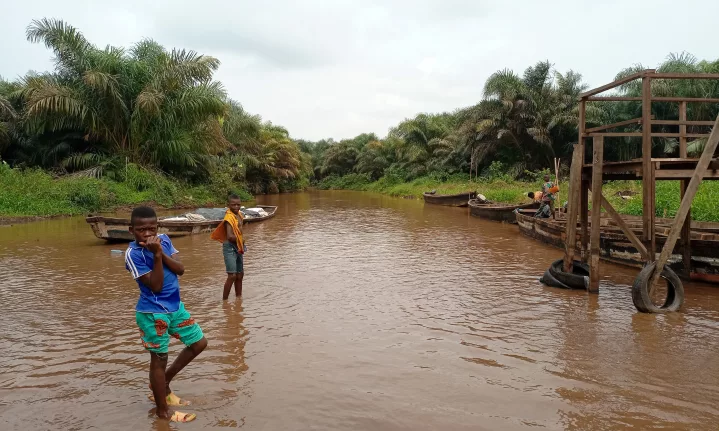
Head towards Adjarra, just outside the city, for a slower afternoon beside the Black River. The river winds through raffia palms, ferns and marshland, creating a striking contrast to the busy streets of Porto-Novo.
Take a canoe trip on the Black River
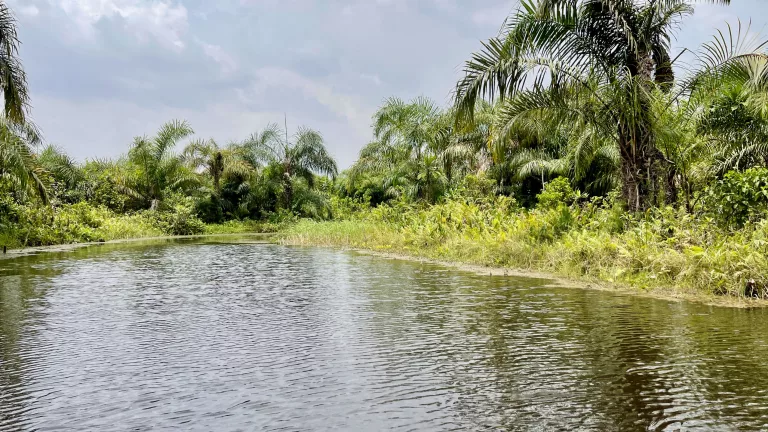
Rivière Noire/Fawaz.tairou/Wikimedia Commons
A traditional dugout canoe trip offers a chance to see the landscape at a different pace.
The experience takes around two to three hours and is normally accompanied by a local guide. Trips can also include visits to workshops where artisans make drums and raffia baskets, giving the excursion a cultural element as well as a nature component.
It is a fitting final outing because it brings together several of the themes that make Porto-Novo interesting: nature, craftsmanship, local knowledge and everyday life.
Leave time for one last wander
Back in Porto-Novo, spend your final hours browsing for crafts or revisiting the historic centre.
The city also has a growing creative scene, with galleries, artist workshops, exhibitions and other cultural initiatives appearing alongside its older heritage.
Rather than trying to see everything, use the last afternoon to revisit a street or market you enjoyed on day one, pick up a locally made souvenir and have one final meal.
Porto-Novo rewards curiosity. Its appeal is not one spectacular attraction, but the way its different histories and cultures overlap across the city.
When to go
Porto-Novo has a tropical climate, so conditions can be hot and humid. For sightseeing, start outdoor activities early in the day and leave the hottest part of the afternoon for museums, lunch or slower activities.
Getting there
Porto-Novo is about 35km from Cotonou, making it possible to include the city as part of a wider Benin trip or use Cotonou as a gateway.
Benin Tourism lists Porto-Novo among the country’s key destinations and provides current information on getting around, visas, health and safety and when to visit.
Follow us on social media for more travel news, inspiration, and guides. You can also tag us to be featured.
Instagram | Facebook | Twitter | Spotify
ALSO READ: