


Every safari sighting, mountain hike and coastal escape is made possible by something many travellers rarely think about: biodiversity.

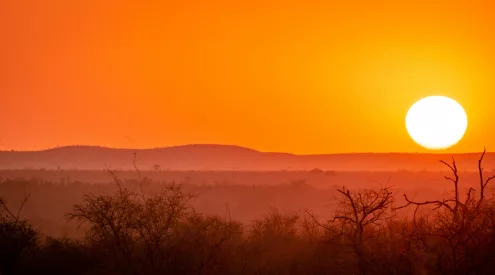
Okavango/Lelani Badenhorst/Pexels
World Environment Day (5 June) offers an opportunity to look beyond the landscapes and wildlife that draw visitors to Southern Africa and explore the intricate web of life that keeps these places functioning. Biodiversity refers to the variety of plants, animals, fungi and microorganisms that share an ecosystem. It is the foundation of healthy environments, thriving tourism destinations and resilient communities.
Biodiversity creates unforgettable wildlife encounters
For many travellers, biodiversity is most visible in the form of wildlife. Southern Africa is home to some of the planet’s richest ecosystems, supporting everything from elephants and lions to tiny insects and rare plant species. What is often overlooked is that iconic wildlife depends on a complex network of other species. A healthy predator population requires abundant prey. Herbivores rely on diverse plant communities. Birds, reptiles and insects all play essential roles in maintaining ecological balance.
The Okavango Delta in Botswana offers a powerful example. Seasonal floodwaters create a mosaic of habitats that support hundreds of bird species, large mammal populations and countless aquatic organisms. Visitors may arrive hoping to see elephants or leopards, but those sightings are only possible because an entire ecosystem is functioning as it should. The same principle applies in South Africa’s national parks and private reserves. The richness of a safari experience is often linked directly to the health and diversity of the surrounding habitat.
Healthy ecosystems mean reliable water supplies
Many travellers associate rivers, waterfalls and wetlands with scenic beauty, but these natural systems also perform a vital service: they help secure freshwater supplies. Wetlands act as natural filters, removing pollutants and improving water quality. Mountain catchments store and release water gradually, reducing the impacts of drought and flooding. Indigenous vegetation helps stabilise soils and supports healthy watersheds.

The Cape Floristic Region, one of the world’s biodiversity hotspots, plays a particularly important role in water security for the Western Cape. Native fynbos vegetation contributes to the health of mountain catchments that supply water to millions of people. Elsewhere, wetlands such as those found within the Okavango Delta and the greater Zambezi Basin help regulate water flows across vast landscapes. Protecting biodiversity in these areas is not only a conservation priority but also an investment in long-term water security.
Biodiversity supports the food systems we depend on
Food production and biodiversity are deeply connected, even when that relationship is not immediately visible. Pollinators such as bees, butterflies and birds are responsible for the reproduction of many crops. Healthy soils depend on microorganisms, insects and fungi that recycle nutrients and improve fertility. Diverse ecosystems can also help reduce pests and improve agricultural resilience.

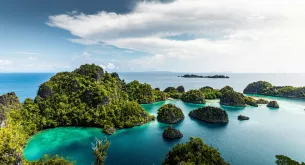
Andrew Jooste/Unsplash
Across the region, farmers benefit from ecosystem services provided by nature. In regions known for fruit production, pollinators play a crucial role in maintaining harvests. Along coastlines, healthy marine ecosystems support fisheries that contribute to local livelihoods and food security. When biodiversity declines, these natural systems become less effective. The consequences can affect everything from food availability to economic stability in rural communities.
Nature is one of Southern Africa’s biggest economic assets
Tourism is a major contributor to many Southern African economies, and biodiversity is one of its greatest attractions. Visitors travel from around the world to experience wildlife-rich destinations, explore unique ecosystems and discover landscapes found nowhere else on Earth. From the deserts of Namibia to the forests of South Africa and the waterways of Botswana, biodiversity underpins countless tourism experiences.

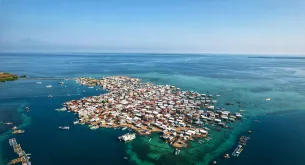
Sandwich Harbour, Namibia/Sergi Ferrete/Unsplash
The economic impact extends far beyond park gates. Biodiversity supports jobs in guiding, hospitality, conservation, transport and local enterprises. Entire communities benefit from nature-based tourism. Conservation and tourism are therefore closely linked. Protecting biodiversity helps safeguard the natural assets that attract visitors while creating opportunities for sustainable development. As travellers become increasingly interested in responsible and eco-conscious tourism, destinations that invest in conservation may also become more competitive in the global travel market.
Biodiversity strengthens climate resilience
Climate change is already affecting ecosystems across Southern Africa through shifting rainfall patterns, rising temperatures and more frequent extreme weather events. Biodiverse ecosystems are generally better equipped to cope with these changes. A wide variety of species creates greater flexibility and resilience, allowing ecosystems to adapt when conditions shift.

Kosi Bay, KwaZulu-Natal/Joshua Gaunt/Unsplash
Mangrove forests, coastal dunes, wetlands and indigenous forests can help reduce the impacts of storms, erosion and flooding. Diverse grasslands and healthy soils store carbon while supporting water retention during dry periods. In Southern Africa, restoring degraded habitats and protecting intact ecosystems is increasingly recognised as an important climate adaptation strategy. Conservation is no longer only about protecting wildlife. It is also about helping landscapes and communities withstand environmental change.
More than a conservation issue
Biodiversity is often discussed as a concern for scientists, conservationists and policymakers. In reality, it affects everyone who travels, explores and enjoys the outdoors. The wildlife sightings that inspire travellers, the rivers that sustain communities, the food on our tables and the destinations that support local economies all depend on healthy ecosystems.
This World Environment Day, biodiversity serves as a reminder that nature is the living foundation that makes those experiences possible. Protecting it is not only an environmental responsibility but also an investment in the future of Southern Africa’s landscapes, wildlife and travel experiences.
Follow us on social media for more travel news, inspiration, and guides. You can also tag us to be featured.
Instagram | Facebook | Twitter
ALSO READ:
Revisiting South Africa’s caravan parks: The holiday tradition that shaped a nation