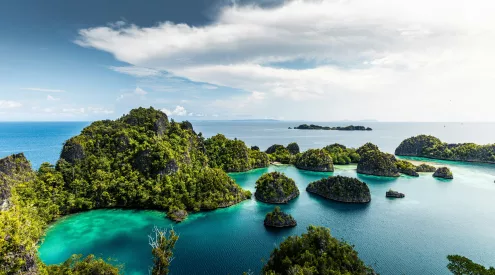





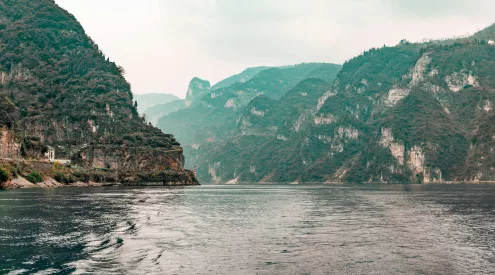
When most visitors enter a national park, they come hoping to spot wildlife, enjoy scenic landscapes and experience some of South Africa’s most remarkable natural spaces.

Wolfgang Hasselmann/Unsplash
Yet behind every healthy ecosystem lies an enormous amount of conservation work that most visitors never see. Across South Africa’s national parks and protected areas, teams of scientists, rangers, ecologists, field workers and community partners spend countless hours restoring habitats, managing invasive species, monitoring wildlife populations and protecting fragile ecosystems. Their work is often carried out far from tourist roads and viewing hides, but it plays a crucial role in ensuring that these landscapes continue to thrive.
This World Environment Day, it is worth shining a spotlight on the hidden environmental heroes and conservation programmes that help keep South Africa’s protected areas healthy for future generations.
Battling invasive alien plants
One of the biggest environmental challenges facing many protected areas is the spread of invasive alien plants. Species such as black wattle, pine, eucalyptus and lantana can rapidly outcompete indigenous vegetation. They consume large amounts of water, alter soil conditions and reduce habitat available for native wildlife.
In biodiversity hotspots such as the Cape Floristic Region, invasive plants pose a particularly serious threat. Dense stands of alien vegetation can overwhelm fynbos ecosystems that evolved over thousands of years and support an extraordinary variety of endemic plant species.
Conservation teams regularly conduct alien clearing operations using a combination of manual removal, mechanical clearing and biological control methods. These projects not only help restore natural ecosystems but also improve water security by reducing water consumption by invasive plants.
Understanding fire as a conservation tool
Fire is often viewed as an environmental disaster, but in many South African ecosystems it is a natural and necessary process. Fynbos, grasslands and savanna habitats evolved alongside periodic fires. Without them, plant diversity can decline, nutrient cycling may be disrupted and ecosystems can become less resilient.
Park managers therefore use carefully planned fire management strategies to maintain ecological balance. Controlled burns are conducted under specific weather conditions and according to detailed scientific guidelines. These prescribed fires help reduce excessive fuel loads, stimulate seed germination in fire-dependent plants and maintain habitat conditions required by numerous animal species.
Balancing ecological needs with public safety is a complex task that requires expertise, planning and constant monitoring. While visitors may occasionally see signs of recent burns, few witness the extensive preparation that goes into managing fire as a conservation tool.
ALSO READ:
Tracking wildlife beyond tourist sightings
Many people assume wildlife monitoring simply involves counting animals from vehicles. In reality, modern conservation science relies on sophisticated techniques to understand how species are faring. Researchers use camera traps, aerial surveys, GPS collars, acoustic monitoring equipment and field observations to gather valuable data. This information helps scientists track population trends, migration patterns and habitat use.
Wildlife monitoring is especially important for threatened species. Conservation managers need accurate information to determine whether populations are increasing, declining or facing new pressures. In parks across South Africa, researchers monitor everything from large mammals and birds to reptiles, insects and amphibians. These long-term datasets allow scientists to make informed decisions that support biodiversity conservation. The next time visitors spot a rare animal, there is a good chance conservation teams have already spent years studying and protecting that species behind the scenes.
Restoring rivers and wetlands
Healthy rivers are the lifeblood of many ecosystems, providing water for wildlife, vegetation and surrounding communities. However, river systems face numerous threats, including invasive species, erosion, pollution and changing rainfall patterns associated with climate change.
Protected areas increasingly invest in river restoration projects aimed at improving ecosystem health. This work may include stabilising riverbanks, removing invasive vegetation, restoring natural flow patterns and rehabilitating degraded wetlands. Wetlands are particularly valuable because they filter water, reduce flood impacts and provide habitat for countless species. They also play an important role in storing carbon and supporting climate resilience.
Following species through technology
Advances in technology have transformed conservation science. GPS tracking devices, satellite monitoring systems and remote sensing technologies now provide unprecedented insight into animal movements and habitat use. Species tracking helps conservationists identify migration corridors, breeding areas and critical habitats that require protection. It can also reveal how animals respond to environmental changes such as droughts, habitat fragmentation or human activity. For wide-ranging species such as elephants, lions, wild dogs and vultures, tracking programmes generate data that informs management decisions both inside and outside protected areas.
Repairing damaged habitats
Habitat rehabilitation is another essential but often overlooked aspect of environmental management. Areas degraded by historical farming, mining, erosion, invasive species or unsustainable land use may require active intervention before they can support healthy ecosystems again. Rehabilitation projects can involve replanting indigenous vegetation, restoring natural drainage systems, controlling erosion and creating conditions that allow native species to return.
These efforts are often slow and labour intensive, but the long-term benefits are substantial. Restored habitats improve biodiversity, strengthen ecosystem resilience and provide better conditions for wildlife populations. Over time, landscapes that once appeared damaged can become thriving ecosystems once again.
ALSO READ:
6 hydroelectric sites in Southern Africa that became travel destinations
Conservation’s unseen workforce
National parks are often celebrated for their iconic wildlife and spectacular scenery, but their success depends on much more than what visitors see on the surface. The scientists collecting data, the teams clearing invasive plants, the rangers monitoring ecosystems and the restoration workers repairing habitats all contribute to the health of protected areas. Their efforts help ensure that South Africa’s natural heritage remains resilient in the face of growing environmental challenges.
This World Environment Day, look beyond the game drives and hiking trails to appreciate the vast network of conservation work happening behind the scenes. These hidden environmental heroes may not always be visible, but their impact can be found in every thriving river, healthy habitat and flourishing wildlife population across the country’s protected landscapes.
Follow us on social media for more travel news, inspiration, and guides. You can also tag us to be featured.
Instagram | Facebook | Twitter
ALSO READ:
Biodiversity: The web of life behind Southern Africa’s most iconic destinations