

In a world where top safari destinations like the Serengeti and Kruger are feeling the strain of overtourism, Zimbabwe’s Matusadona National Park is quietly emerging as a low-density, high-impact alternative that conservationists and seasoned safari-goers are beginning to take seriously.

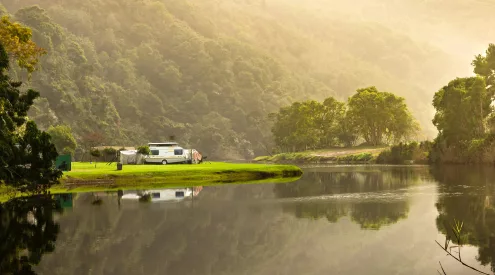
Kariba, Zimbabwe/Little Nature/Unsplash
Tucked along the southern shores of Lake Kariba, this 107,000-hectare reserve has entered a promising new phase. Since a 2019 co-management agreement between African Parks and the Zimbabwe Parks and Wildlife Management Authority, the park has seen a dramatic turnaround—particularly in curbing poaching and rebuilding wildlife populations, as reported by Tourism Update.
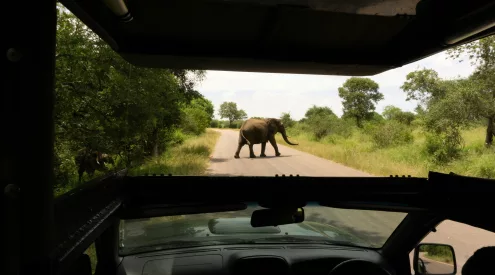
“Matusadona has experienced an impressive revival under African Parks with improved anti-poaching measures, ecosystem restoration, and the reintroduction of key wildlife species. The park is now becoming well-known for its growing elephant herds, lion prides, and other populations of large mammals,” said Matthys van Aswegen, Senior Travel Consultant at Discover Africa.
A conservation comeback with the Big Five in sight
Matusadona’s recovery is not just statistical—it’s visible. Species like eland, sable, and buffalo have been reintroduced, and plans are underway to reintroduce black rhino by 2026. The shoreline has become increasingly lively with wildlife activity.
“We have witnessed a dramatic increase in wildlife sightings along the shoreline of Matusadona and a sharp reduction in fish poaching activities since African Parks have been involved,” said Gavin Rennie, GM of Sales and Marketing at Zambezi Cruises & Safaris. “At least three of the Big Five are regularly seen on the shoreline, with leopard sightings increasing too. With the introduction of the black rhino, Matusadona is a world-class wild destination.”
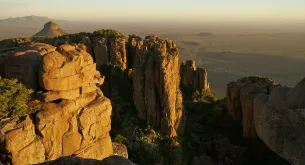
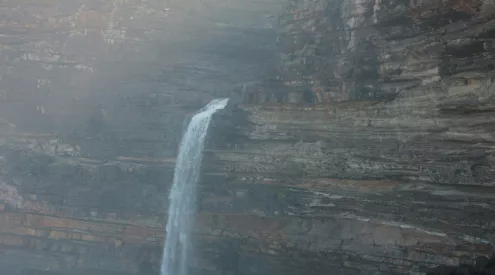
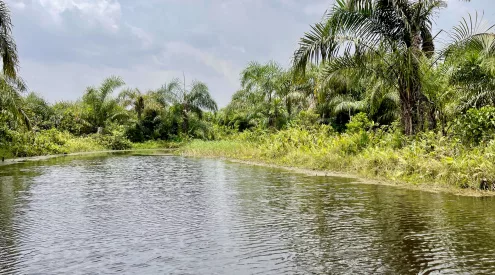
From lakefront floodplains and thick valley vegetation to a 600-metre-high escarpment, the park’s dramatic diversity in landscapes sets the stage for this revival.
A low-density model that puts nature first
Matusadona’s success story is not only about wildlife—it’s about people and philosophy. Tourism revenue has surged by 1,300% since African Parks became involved, thanks largely to the support of surrounding communities. Yet the park remains committed to low-density, conservation-first tourism.
“We know just how appealing this park is and how popular it has the potential to be, but we want to keep it wild, putting conservation principles first,” said Mike Pelham, Matusadona National Park Manager. “Behind all ecotourism developments underway within the park and the neighbouring community-owned wildlife areas, the defining principle of ‘conservation and communities first’ leads us.”
Plans include modest upgrades to infrastructure—such as improved road access and the launch of a Lake Kariba ferry service—along with scheduled flights from Harare and Victoria Falls. Still, the aim is to maintain the park’s rugged charm and sense of remoteness.
ALSO READ: Where to safari if South Africa feels too expensive (or too busy)
More than just game drives
As the park looks to diversify, it’s adding new experiences beyond traditional game viewing. Think guided walks, hikes, boating, fishing, and even houseboat safaris—catering to adventurous travellers seeking intimate nature experiences.
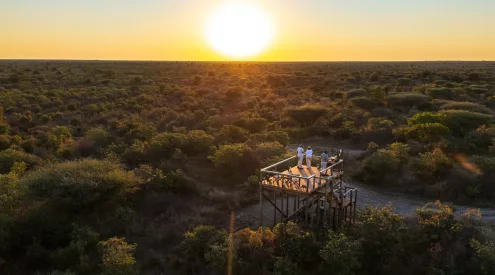
“The park will see a few more carefully selected wilderness sites fitted with platforms and simple ablutions, but the impact of tourism will be kept in balance,” said Pelham. “We’ve got plans to support the development of community-owned conservation areas bordering the park into really special ecotourism products.”
Current accommodation ranges from rustic bush camps and campsites to luxury lodges, with more curated offerings in the pipeline.
“Matusadona’s mix of dramatic landscapes and exclusivity—plus the fact that it’s a conservation success story—makes it increasingly attractive to this niche market,” added Van Aswegen.
A case for spreading the safari footprint
With overtourism on the rise in Africa’s flagship parks, Matusadona’s resurgence offers a timely reminder of the value in looking beyond the beaten track.
“There are so many fantastic wildlife destinations throughout Africa—each as special, necessary, and irreplaceable as the last,” said Pelham. “We need to market these alternatives so that we spread the tourism load and do not overcrowd some parks to a point where there is a negative environmental impact because of tourism densities.”
“The spin-off of shining the light on lesser-known wildlife areas is that we also spread the tourism dollar, and this means greater protection for more areas and greater benefits for a wider group of communities.”
As Matusadona reclaims its wild heart, it’s offering something Africa desperately needs: an uncrowded, eco-conscious alternative that keeps the focus on conservation, community, and authentic connection to nature.
Follow us on social media for more travel news, inspiration, and guides. You can also tag us to be featured.
TikTok | Instagram | Facebook | Twitter
ALSO READ: WWF South Africa marks major milestone in black rhino recovery
Originally published by Dale Hes | Tourism Update