



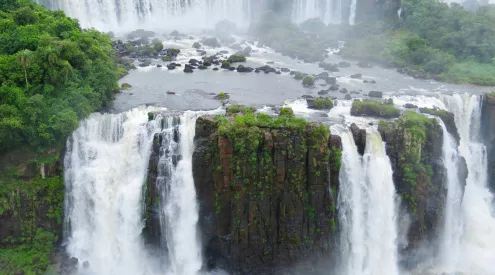
The Western Cape has expanded its conservation estate by 47 000 hectares, strengthening protection for some of the province’s rarest species and most fragile landscapes.

Image: Supplied
The addition includes two newly declared nature reserves and significant expansions to two existing ones. It offers fresh hope for Cape mountain zebras and improves safeguarding for threatened succulent plants, mammals and bird species.
Anysberg in the Karoo and the Knersvlakte in Namaqualand have grown by a combined 41 000 hectares. Waterkloof near Ladismith and Zebraskop in the Gamkaberg area of the Klein Karoo have been officially declared as new reserves, adding a further 6 000 hectares to the conservation network.
WWF South Africa purchased the land using funds raised through the Leslie Hill Succulent Karoo Trust and other donors. The newly protected areas improve landscape connectivity and ecological integrity across the Western Cape. This connectedness is increasingly valued in conservation planning because it creates natural corridors that allow species to move and adapt as conditions change.
These declarations also support South Africa’s national goal of conserving 30 percent of its land and marine areas by 2030. This target forms part of an ambitious global conservation agreement adopted by the United Nations.
CapeNature CEO Dr Ashley Naidoo welcomed the expansion. He said, “This is a significant step for protected area expansion in the Western Cape. By expanding and connecting protected areas, together we are conserving some of the world’s most threatened plants and animals and supporting the long term survival of the Cape mountain zebra.”
He added, “This work would not be possible without our partners, particularly WWF South Africa and the Leslie Hill Succulent Karoo Trust, whose support makes this scale of impact possible.”
WWF South Africa’s Landscape Manager for the Cape Floral Region, Jan Coetzee, also praised the achievement. He said, “This achievement is the result of years of dedication and collaboration. Securing these critical areas for future generations is a big win for conservation, the province, and its people. It is only possible through strong partnerships with key donors, conservation organisations, legal experts, and provincial authorities, all working together for the greater good.”
Anysberg expansion
Anysberg Nature Reserve has increased by 6 918 hectares through funding from the Leslie Hill Succulent Karoo Trust. The new land protects 14 vegetation types found in the Succulent Karoo and Fynbos biomes. Five of these vegetation types had no previous formal protection anywhere in South Africa. The extension strengthens ecological links between Anysberg, Sanbona Nature Reserve, Destiny Nature Reserve and the Klipgat stewardship site.
Anysberg is known for its rich biodiversity. Species found here include 180 bird species, several antelope species, aardvark, leopards, Cape mountain zebras and the critically endangered riverine rabbit. The expansion also improves the landscape’s resilience to climate change by maintaining essential ecological processes.
Knersvlakte expansion
The Knersvlakte Nature Reserve in Namaqualand has been expanded by 34 084 hectares. This is the largest single addition since the reserve was established in 2014. The Leslie Hill Succulent Karoo Trust funded the purchase.
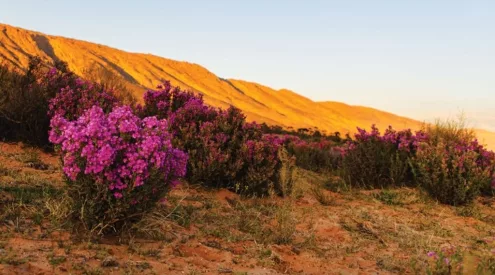
The Knersvlakte Bioregion is a global hotspot for miniature succulents and highly endemic plants. It faces increasing pressure from illegal plant harvesting, mining and prospecting. The new expansion secures nine additional vegetation types. Many of these were either unprotected or poorly represented in existing conservation areas. The new boundary also strengthens protection of a region known for its ecological importance and significant cultural heritage sites.
Zebraskop Nature Reserve
The new Zebraskop Nature Reserve covers 3 952 hectares and plays a crucial role in the Cape mountain zebra genetic programme. The reserve protects lowland habitat that can support population growth and potentially double the genetically important Gamkaberg zebra herd. It will be managed as part of the Gamkaberg Nature Reserve.
CapeNature is working to create a natural corridor between Gamkaberg and Zebraskop. Active monitoring is under way for the three Cape mountain zebras that were translocated from the Kammanassie Nature Reserve in 2024. Zebraskop includes 11 vegetation types, including the critically endangered Gourits Asbos Gwarrieveld, now formally protected for the first time.
Waterkloof Nature Reserve
Waterkloof Nature Reserve spans 2 062 hectares within the Klein Swartberg Mountain catchment. It forms part of a key water source area that supplies Ladismith and surrounding communities. CapeNature will manage the reserve as part of the Swartberg Complex.
Waterkloof protects seven vegetation types. Two of these have only partial protection in South Africa and one is listed as endangered. The new reserve secures the southern slopes of the Klein Swartberg and strengthens a vital ecological corridor.
Declaration summary
Anysberg: 6 918 hectares
Waterkloof: 2 062 hectares
Zebraskop: 3 952 hectares
Knersvlakte: 34 084 hectares
Total protected area added: 47 017 hectares
Follow us on social media for more travel news, inspiration, and guides. You can also tag us to be featured.
TikTok | Instagram | Facebook | Twitter
ALSO READ: Four rescued turtles released back into the De Hoop Marine Protected Area