
Summer brings dramatic changes to the natural world across Southern Africa.

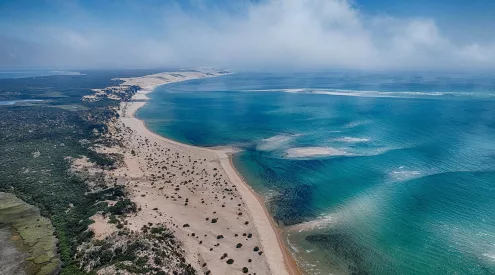
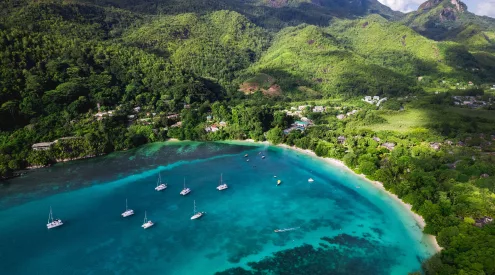
Mabibi/Jeroen Looyé/Wikimedia Commons
This is one of the most rewarding times to explore the region, especially if you want to understand how wildlife rhythms change according to the heat, rain and coastal currents. This guide gives you an idea of where to go and what animal events you can expect during the most vibrant wildlife months of the year.
New life in the Lowveld
Summer in the Lowveld is baby season. November marks the beginning of the birthing period for many antelope species. Impala are usually the first to drop their young, followed by wildebeest, warthog and other grazers that rely on nutrient rich grasses after the first rains. The abundance of newborn animals attracts predators, which leads to increased sightings of lion, leopard, hyena and wild dog in motion. Areas such as Kruger National Park, Manyeleti Game Reserve, Sabi Sand Game Reserve and the surrounding private concessions offer ideal viewing conditions with lush backdrops, frequent afternoon storms and renewed animal movement around seasonal pans.
Turtle nesting season on the KwaZulu Natal Coast
Between November and February the northern KwaZulu Natal coastline becomes a sanctuary for nesting sea turtles. This is one of the most important conservation events in Southern Africa. Leatherback and loggerhead turtles return to the beaches of iSimangaliso Wetland Park to lay their eggs on quiet stretches of sand. Guided night walks in areas such as Mabibi, Cape Vidal and Bhanga Nek offer responsible encounters where visitors can observe turtles nesting under the moonlight. By January and early February the hatchlings begin their race to the sea, creating one of the most moving wilderness moments of the season.
Bird migrations at their peak
Summer is the best time for birding across Southern Africa. Migratory species arrive from Europe, Asia and northern Africa to take advantage of abundant food. This brings colour and movement to wetlands, forests and coastal estuaries. Places such as Ndumo Game Reserve, Marievale Bird Sanctuary, Wilderness National Park, De Hoop Nature Reserve and the Okavango Delta offer exceptional viewing. Expect to see the woodland kingfisher flashing turquoise in the Lowveld, European bee eaters swooping over riverbanks, Amur falcons filling the skies above the Highveld and waders crowding the shoreline. The variety is enormous and the photographic opportunities are endless.
Whale shark encounters in Mozambique
From December to February the warm waters of Mozambique become a gathering place for whale sharks. The plankton rich currents around Tofo, Inhambane and Ponta do Ouro attract these gentle giants during the southern summer. Visitors can join licensed operators for ethical snorkelling or boat based encounters. Clear sea conditions and consistent sightings make this one of the most sought after marine experiences in the region. Reef manta rays are also common at this time, offering an added reward for travellers who love the ocean.
Storm season in the Highveld
The Highveld transforms into a painter’s canvas during summer. Afternoon thunderstorms build towering cumulonimbus clouds that roll across the grasslands. Lightning splits the sky, rain sweeps across the plains and the air becomes electric with atmosphere. Wildlife thrives in this renewed landscape. Herds of blesbok, zebra and black wildebeest graze on fresh green shoots while raptors ride the storm fronts. The Free State grasslands, the Magaliesberg plateau and the Waterberg offer some of the most striking scenes for photographers and nature lovers.
Predator activity on green season plains
Summer is also known for dynamic predator behaviour across Southern Africa’s open savannas. With young antelope everywhere and ground cover still relatively short in the early wet season, predators take advantage of increased opportunities to hunt. Cheetah thrive during this time, especially in places like the Kgalagadi Transfrontier Park, Phinda Private Game Reserve and Central Kruger. Leopard sightings can be exceptional when movement increases around riverbeds and rocky outcrops. Lions are often active at dawn and dusk when cooler temperatures allow for longer patrols.
It is the perfect time for travellers who enjoy photography, dramatic weather, marine encounters, birdlife or witnessing the first moments of life on the plains. With proper planning and responsible guiding, these months deliver some of the richest wildlife experiences available anywhere in the region.
Follow us on social media for more travel news, inspiration, and guides. You can also tag us to be featured.
TikTok | Instagram | Facebook | Twitter
ALSO READ: Last minute getaways before the December rush