



Zimbabwe’s Eastern Highlands offer a completely different side of the country: cooler mountain air, winding roads, tea-covered valleys, waterfalls and small communities.
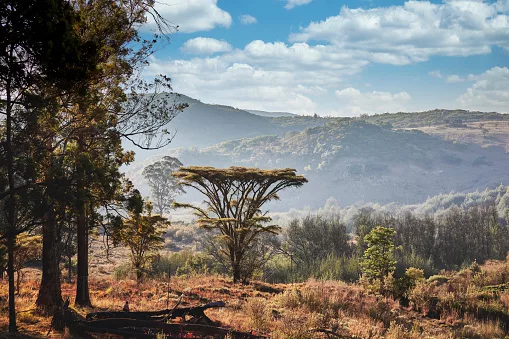
Beautiful countryside in the Eastern N’yanga Region of Zimbabwe, Central Africa/By: Matt Mawson/Getty Images
A three-day trip gives you enough time to combine Nyanga’s dramatic landscapes with the misty forests and gardens of the Bvumba Mountains.
Day 1: Settle into Nyanga
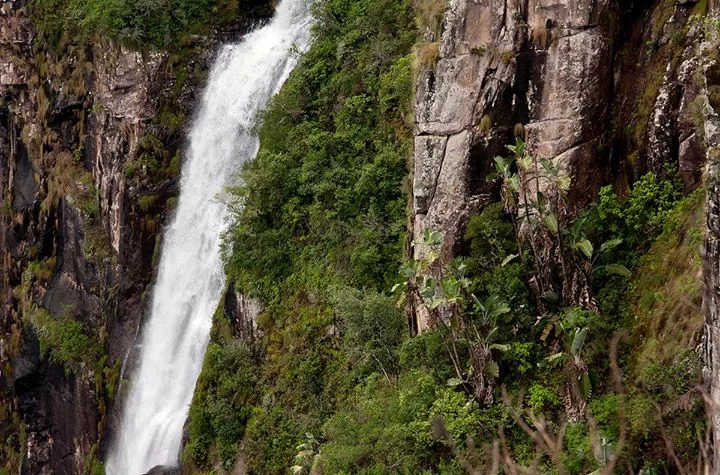
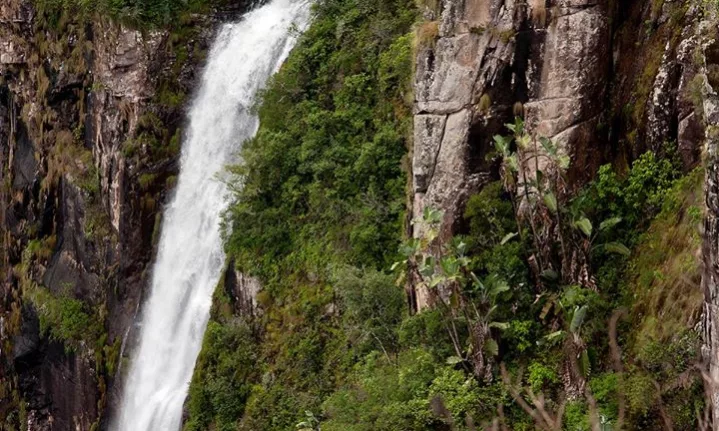
Mutarazi Falls/Bart Wursten/Wikimedia Commons
The Eastern Highlands stretch along Zimbabwe’s eastern border with Mozambique, but trying to see the entire region in one weekend would mean spending too much time in the car. This itinerary focuses on two of its most distinct areas: Nyanga and the Bvumba Mountains.
Start in Nyanga, where Zimbabwe’s landscape changes from open plains to rolling mountains, forests, streams and deep valleys. Nyanga National Park is home to Mount Nyangani, Zimbabwe’s highest peak at 2,592m, as well as Mutarazi Falls, which drops 762m.
The first day is best kept relatively slow. Check into your accommodation, take in the mountain scenery and spend the afternoon exploring some of the park’s more accessible viewpoints and waterfalls.
Stop at World’s View
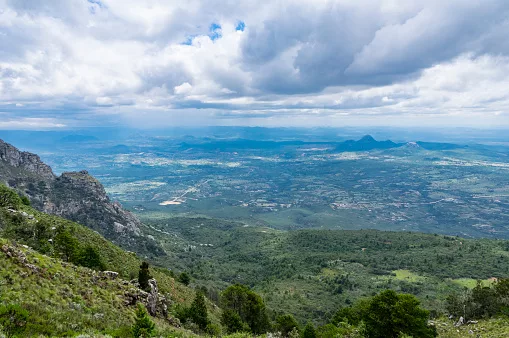
The amazing vista from World’s View near Nyanga in Zimbabwe’s Eastern Highlands/By: GavinD/iStock
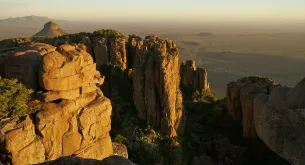
World’s View is a good introduction to the scale of Nyanga. The escarpment opens up to wide views across the surrounding mountains and valleys, offering a reminder that this is a very different Zimbabwe from the country’s better-known safari destinations.
Take your time here rather than rushing through a list of attractions. The Eastern Highlands suit a slower kind of travel, where a scenic drive, a short walk and a long lunch can easily fill an afternoon.
Walk to Nyangombe Falls
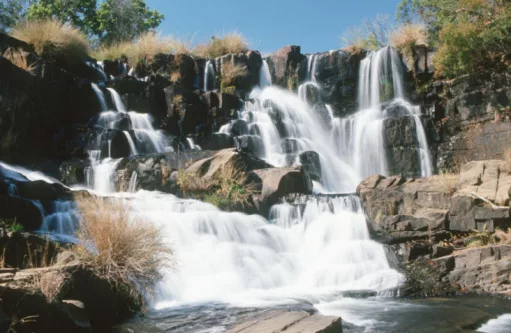
Nyangombe Falls/By: Denny Allen/Gallo Images ROOTS RF collection
Another worthwhile stop is Nyangombe Falls, where the river tumbles through a granite gorge surrounded by highland scenery. It is an easy addition to a day spent exploring Nyanga and offers a quieter alternative to some of the region’s bigger attractions.
Nyanga National Park is also known for its streams and dams, trout fishing and prolific birdlife, with more than 300 bird species recorded in the area.
End the day somewhere warm and comfortable. The cool mountain climate is part of Nyanga’s appeal, particularly after spending much of the day outdoors.
Day 2: Chase waterfalls and follow the road to the Honde Valley
Start early and make your way towards Mutarazi Falls, Zimbabwe’s highest waterfall. At 762m, it is one of the defining sights of the Eastern Highlands, dropping dramatically from the escarpment towards the Honde Valley below.
The drive is part of the experience. Roads wind through mountain scenery before the landscape begins to change as you descend towards the warmer, greener valley.
Stand above Mutarazi Falls
Mutarazi Falls deserves more than a quick photograph. The scale of the drop and the views over the Honde Valley make this one of the Eastern Highlands’ most dramatic stops.
Visitors looking for a little more adventure can also explore the Mutarazi Falls Skywalk, while those wanting a gentler experience can simply enjoy the viewpoints and surrounding scenery.
Water levels vary throughout the year, so the appearance of the falls can change considerably between the wetter and drier months.
Take the scenic route into the Honde Valley
From the escarpment, the road drops into the Honde Valley, where the landscape becomes warmer and more tropical. Tea, bananas, mangoes, avocados and other crops grow across the fertile valley, while smallholdings and communities sit beneath the mountains.
This is where the itinerary moves beyond mountain viewpoints and waterfalls. The Honde Valley adds an agricultural and community dimension to the trip, with tea estates, farms and rural villages shaping the landscape.
The valley is increasingly developing experiences around farm visits, hiking, camping and community-based tourism, allowing travellers to engage with the region beyond its natural scenery.
Make time for tea
Tea is an important part of the Eastern Highlands story, and estates including Aberfoyle and others have long been associated with the Honde Valley.
Rather than treating the valley as simply a road to drive through, stop for tea, local produce or a meal if arrangements are available. Some estate experiences and tours may need to be booked in advance, so it is worth checking before travelling.
Later in the day, make your way towards Mutare or the Bvumba Mountains for the final night.
ALSO READ:
Day 3: Wake up in the misty Bvumba
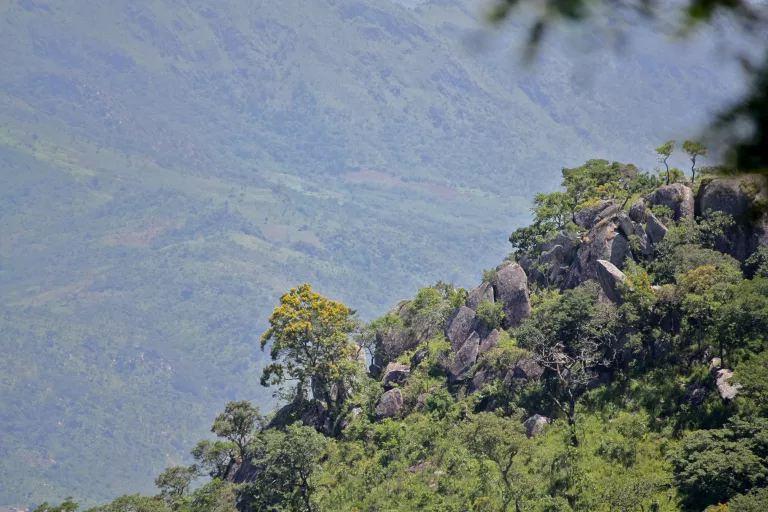
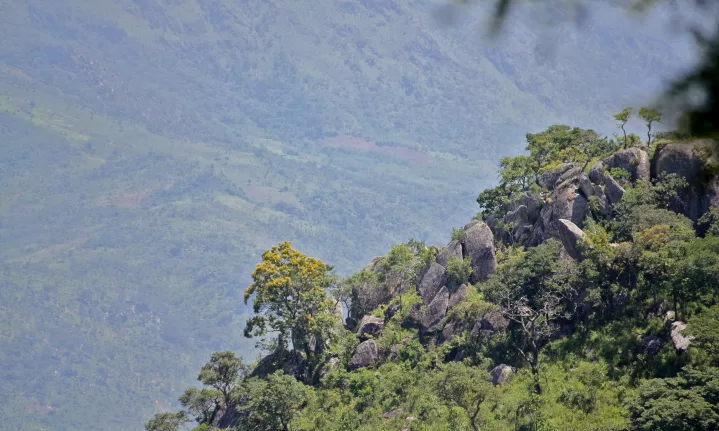
Mount Vumba/Senorhorst Jahnsen from Mumbai, India/Wikimedia Commons
The final day takes you into the Bvumba Mountains, southeast of Mutare. Bvumba, or Vumba, is associated with mist, and the area has a noticeably different character to Nyanga, with dense forests, gardens, birdlife and mountain roads often disappearing into low cloud.
The Bvumba is a good place to slow down after two days of driving and sightseeing.
Wander through the Bvumba Botanical Gardens
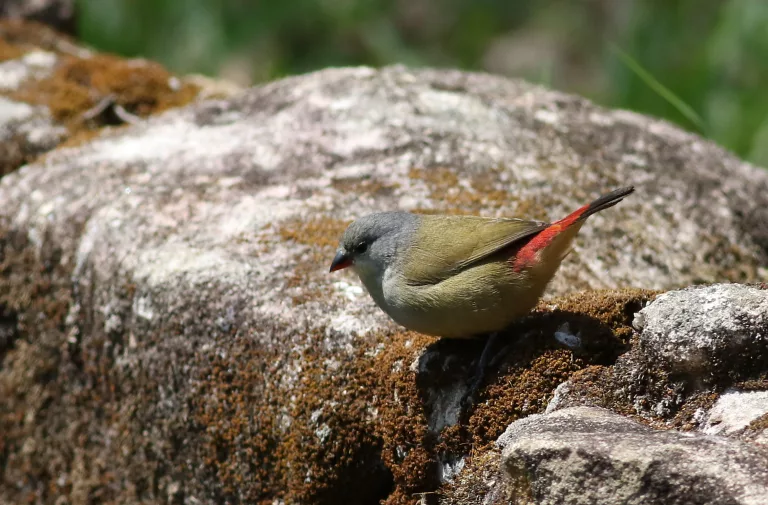
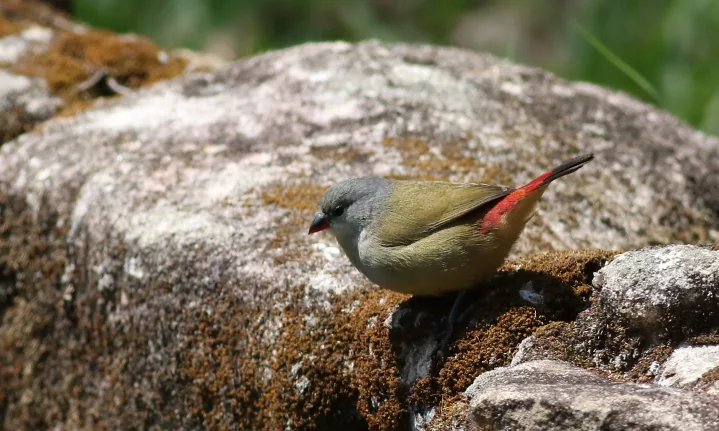
Yellow-bellied waxbill in Vumba Botanical Gardens/Derek Keats from Johannesburg, South Africa/Wikimedia Commons
The Bvumba Botanical Gardens are one of the area’s best-known stops and a good place for an unhurried morning. The gardens sit among the mountains and are surrounded by the lush scenery that makes this part of the Eastern Highlands particularly appealing.
Take a walk, look out for birds and enjoy the cooler forest setting before moving on.
Follow a forest trail
The Bvumba has a range of walking and hiking opportunities, from gentler walks to longer routes. A local guide is recommended for exploring some of the area’s trails, particularly if you are unfamiliar with the mountains and changing conditions.
This is also a good opportunity to leave the car behind for a while. After two days of mountain roads and scenic stops, a walk through the forest offers a different way to experience the Highlands.
Stop for coffee, tea and a final view
Before leaving the mountains, make time for one final slow stop. The Bvumba has cafés, gardens and small visitor-focused businesses where you can pause over coffee, tea or a light meal.
If the weather is clear, finish at one of the viewpoints looking across the mountains and towards Mozambique. On mistier days, the changing cloud and forest scenery are part of the experience.
From here, continue to Mutare and beyond, taking with you a very different picture of Zimbabwe.
A different side of Zimbabwe
Victoria Falls and safari country may dominate many Zimbabwe itineraries, but the Eastern Highlands reveal a softer, greener side of the country.
Over three days, you can move from Nyanga’s high mountain landscapes to the dramatic drop of Mutarazi Falls, descend into tea-growing country and finish among the forests and gardens of the Bvumba.
It is a trip best enjoyed without trying to tick off every attraction. Leave time for roadside stops, a cup of tea overlooking the mountains, conversations with locals and the unexpected views that appear around the next bend.
Follow us on social media for more travel news, inspiration, and guides. You can also tag us to be featured.
Instagram | Facebook | Twitter | Spotify
ALSO READ:
Moshi: The Tanzanian town that’s more than a gateway to Kilimanjaro



.jpg)
.jpg)