

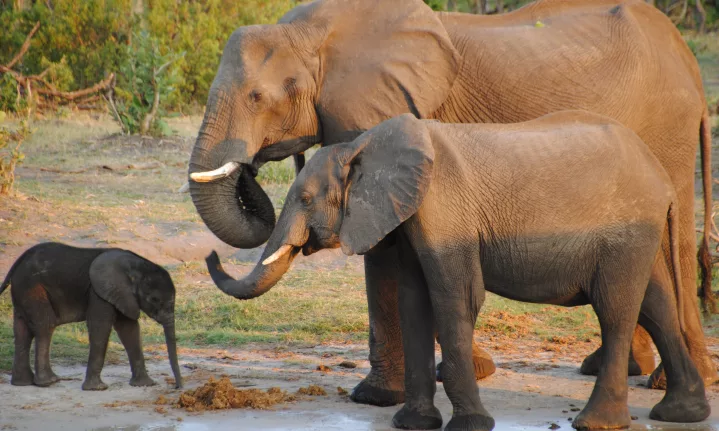
In northern Botswana, elephants move through ancient woodlands, lions patrol open grasslands, and seasonal waterways determine where wildlife gathers.
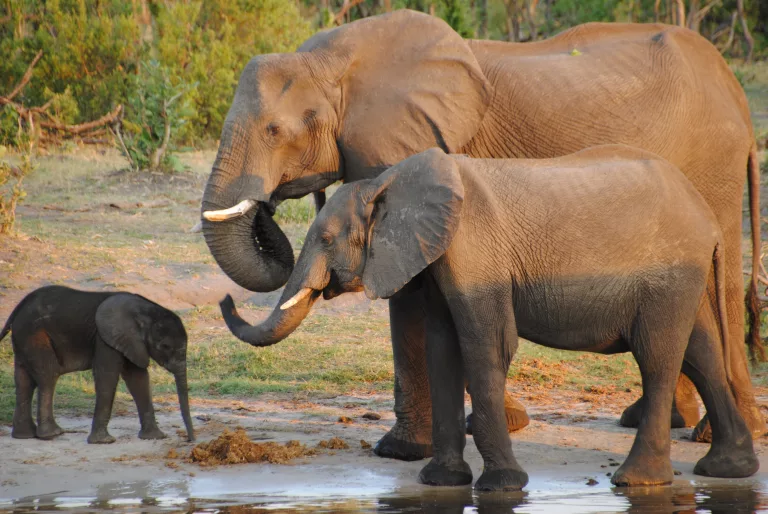
Elephants in Savuti/diego_cue/WWikimedia Commons
This is Savuti, one of the most fascinating safari destinations within Chobe National Park, where the changing landscape offers visitors an opportunity to experience the African wilderness at its most unpredictable.
Known for its impressive elephant populations, large lion prides and seasonal zebra migration, Savuti is a destination where wildlife encounters are often the highlight. Its landscape is equally distinctive, with open marshlands, mopane woodlands and the mysterious Savuti Channel creating a varied backdrop for game viewing.
But what makes this corner of Botswana particularly interesting is the relationship between its wildlife and the environment. Elephants reshape vegetation as they browse and push over trees, while changing water levels influence the movements of animals across the region.
Discovering Savuti
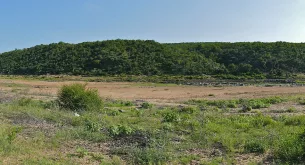
Located in the western section of Chobe National Park, Savuti forms part of the wider Savuti-Mababe-Linyanti ecosystem. Its landscape combines open grasslands, woodland, seasonal wetlands and sandy plains, supporting an impressive variety of wildlife.
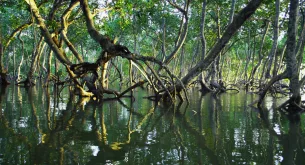
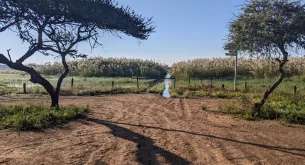
One of its defining features is the Savuti Channel, a watercourse that has alternated between flowing and drying up over several decades. When water reaches Savuti Marsh, it transforms the surrounding landscape, attracting grazing animals and creating important feeding grounds for birds.
The channel’s unpredictable nature has also left behind a striking landscape of dead trees along its banks, offering a reminder of how dramatically water levels can change in this part of Botswana.
A safari destination dominated by elephants and predators
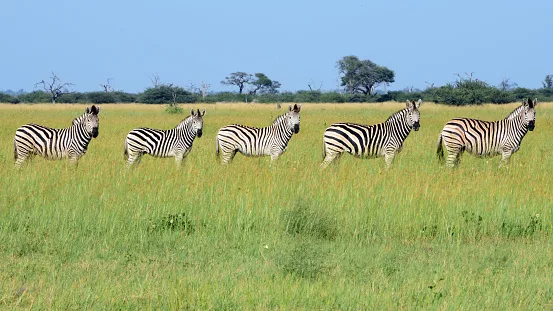
zebras in Savuti Chobe NP, Botswana/By: emanuelestano/Getty Images
Elephants are among Savuti’s most recognisable residents. Large herds and impressive bulls move through the region, feeding on grasses, leaves and tree bark. Their browsing habits and movements influence the surrounding vegetation, opening up sections of woodland and creating opportunities for other species.
The region is equally renowned for its predators. Lions are a major attraction, with the area particularly famous for its large prides. Leopards, cheetahs, spotted hyenas and African wild dogs can also be encountered.
For visitors, game drives offer opportunities to observe these animals in their natural surroundings. Early morning and late afternoon excursions are particularly rewarding, when temperatures are cooler, and wildlife is often more active.
The surrounding grasslands also support zebra, giraffe, buffalo, wildebeest and several antelope species, making every drive a chance to encounter something different.
ALSO READ:
Witsand: The Northern Cape reserve where white dunes rise from the Kalahari
Witness the seasonal zebra migration
One of Savuti’s most spectacular wildlife events is the seasonal zebra migration between the Linyanti region and the grasslands of the Mababe Depression.
As the first summer rains arrive, large herds move southwards in search of fresh grazing. Their movements attract predators, creating opportunities for dramatic wildlife encounters.
The timing of the migration depends on rainfall, but the movement generally takes place around November and December, with animals returning towards the northern waterways as the dry season approaches.
For photographers and wildlife enthusiasts, this seasonal spectacle offers another reason to consider visiting Savuti during the warmer months.
What can travellers do in Savuti?
View this post on Instagram
A safari in Savuti revolves largely around exploring its diverse habitats and observing wildlife.
Guided game drives in open 4×4 vehicles are the main activity, taking visitors across the marshlands, woodland tracks and surrounding plains. Experienced guides help identify animal tracks, interpret wildlife behaviour and locate some of the region’s more elusive residents.
Birdwatching is another rewarding experience. The marshes and grasslands attract a variety of resident and migratory species, particularly during the wetter months. Raptors, waterbirds and colourful summer migrants add to the region’s appeal.
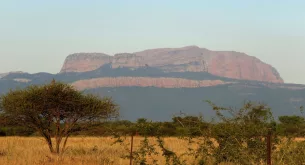
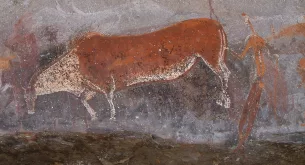
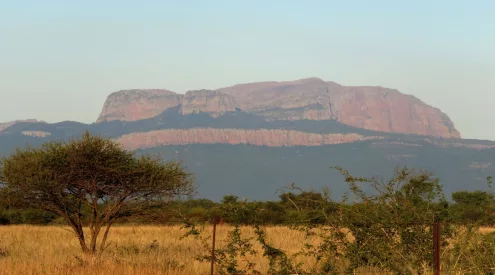
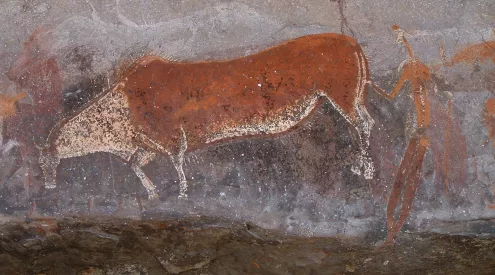
The Ghoha Hills are another interesting feature of the landscape. Rising above the surrounding plains, these rocky outcrops offer a different perspective of Savuti and are associated with ancient San rock art. Visitors staying at suitable lodges can enquire about guided excursions to the area.
Photography is a natural part of the experience, whether capturing elephants moving through the woodland, lions resting in the grass or the changing colours of the marsh at sunset.
Travellers staying in private concessions bordering Chobe National Park may also have access to additional activities, such as guided walking safaris and night drives. These activities are subject to the rules and facilities of the specific concession. They are not permitted within the Savuti section of the national park itself.
When is the best time to visit?
Savuti can be rewarding throughout the year, although the experience changes with the seasons.
The dry season, generally from May to October, is popular for wildlife viewing. As natural water sources become scarce, animals concentrate around remaining waterholes and available watercourses. August to October can be particularly productive for elephant sightings, although temperatures become increasingly hot towards the end of this period.
The wet season, from November to April, transforms the landscape with fresh grass, seasonal pools and greener vegetation. It is also an excellent time for birdwatching and offers opportunities to witness the zebra migration.
Travellers should remember that rainfall can affect road conditions, particularly on sandy and remote routes. Conditions also vary depending on whether the Savuti Channel is flowing, so it is worth checking with accommodation providers before travelling.
Where to stay and how to get there
Accommodation in Savuti ranges from public campsites to private safari camps and lodges. Options include tented accommodation and more traditional safari lodges, many offering guided game drives, meals and other activities as part of their packages.
The region is remote, which is part of its appeal. Travellers can reach Savuti by road, although the journey involves long stretches of sandy and sometimes challenging terrain. A four-wheel-drive vehicle and experience with remote-area travel are essential for self-driving.
Alternatively, visitors can arrange light-aircraft transfers from destinations such as Kasane or Maun, with transfers organised through their chosen lodge or safari operator.
Savuti also works well as part of a wider Botswana safari, particularly when combined with the Chobe Riverfront, Linyanti or the Okavango Delta.
A wilderness worth exploring
Savuti’s appeal lies in its remarkable combination of wildlife, changing landscapes and a sense of remoteness. From enormous elephant herds and powerful predators to seasonal marshlands and migrating zebra, the region offers a safari experience that changes with the environment.
For travellers looking beyond the more familiar safari routes, Savuti provides an opportunity to experience Botswana’s wilderness at a slower pace, with every game drive offering the possibility of a memorable encounter.
Follow us on social media for more travel news, inspiration, and guides. You can also tag us to be featured.
Instagram | Facebook | Twitter | Spotify
ALSO READ:
Chimanimani: Zimbabwe’s mountain wilderness of waterfalls and rare plants