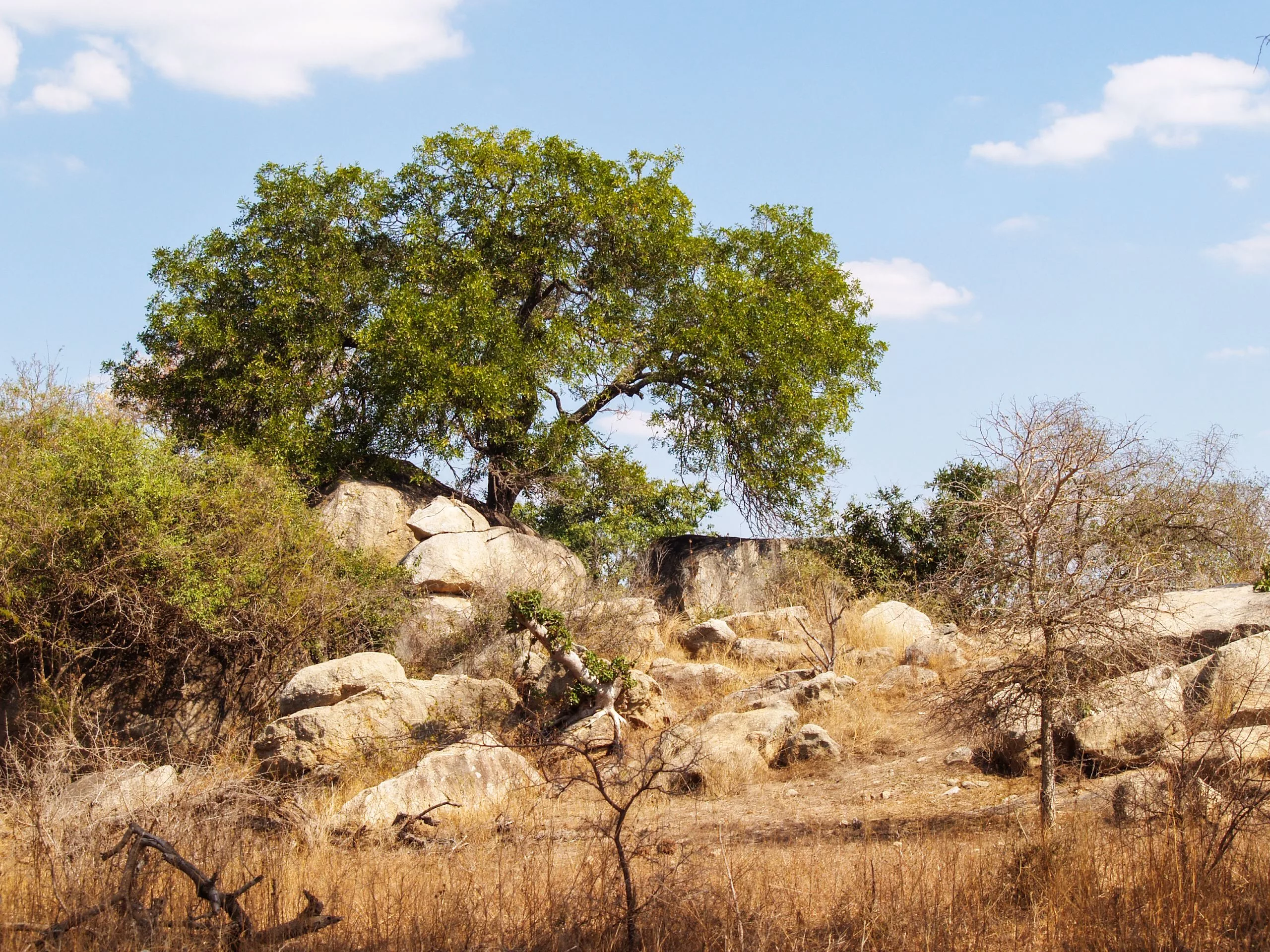
For many football fans tuning into the 2026 FIFA World Cup, Curaçao may have appeared as one of the tournament’s most unexpected names.

Grote Knip, Curaçao/Jorgen Hendriksen/Unsplash
The small Caribbean island, home to fewer than 200,000 people, has found itself sharing the global stage with football heavyweights, drawing curiosity from viewers around the world who are now asking a simple question: where exactly is Curaçao?
While the island’s World Cup campaign has captured headlines, seasoned travellers know that Curaçao has long been one of the Caribbean’s best-kept secrets. With pastel-coloured waterfronts, crystal-clear waters, a rich multicultural heritage and some of the region’s best diving, the island offers far more than a football fairy tale.
As World Cup fever shines a spotlight on this Dutch Caribbean gem, there has never been a better time to discover what makes Curaçao worth adding to your travel wish list.
The island behind the headlines
Located just off the coast of Venezuela, Curaçao is part of the Dutch Caribbean and forms part of the ABC Islands alongside Aruba and Bonaire. Although it is a constituent country within the Kingdom of the Netherlands, Curaçao has developed a distinct identity shaped by centuries of African, European, Latin American and Caribbean influences. Visitors quickly notice this blend of cultures. Dutch architecture sits alongside colourful Caribbean streetscapes, while conversations drift effortlessly between Dutch, English, Spanish and Papiamentu, the island’s unique creole language.
Historically, Curaçao served as an important trading hub in the Caribbean. Today, its economy is driven largely by tourism, and visitors are drawn by the island’s sunny climate, which enjoys more than 300 days of sunshine each year. Unlike some Caribbean destinations that experience heavy rainfall during hurricane season, Curaçao lies outside the main hurricane belt, making it an appealing year-round destination.
Willemstad: The Caribbean’s most colourful capital

Willemstad/Ramon Kagie/Unsplash
Most journeys begin in Willemstad, the island’s capital and a UNESCO World Heritage Site.
The city’s most recognisable landmark is the waterfront district of Handelskade, where rows of brightly painted Dutch colonial buildings line the harbour. The colourful facades have become one of the Caribbean’s most photographed scenes and are often mistaken for a film set.

Lakeisha Bennett/Unsplash
Crossing the iconic Queen Emma Bridge, a floating pontoon bridge that swings open for passing ships, offers visitors a unique perspective of the city. On either side of the harbour, neighbourhoods such as Punda and Otrobanda reveal a lively mix of street art, local markets, boutique shops and waterfront cafés.
Beaches beyond the brochures
The island boasts more than 35 beaches, each with its own character. Some are tucked into sheltered coves framed by limestone cliffs, while others stretch out with soft white sand and turquoise waters.

Den Harrson/Unsplash
Popular spots include Playa Kenepa Grandi, often considered one of the island’s most beautiful beaches, and Cas Abao Beach, known for its calm waters and excellent snorkelling opportunities. Because the island’s coastline is relatively compact, visitors can easily explore multiple beaches in a single day. A morning swim at one bay can be followed by a seaside lunch and an afternoon snorkelling adventure elsewhere.
One of the Caribbean’s best diving destinations
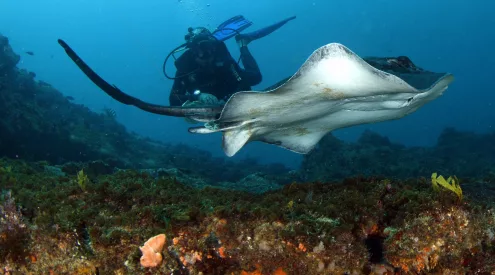
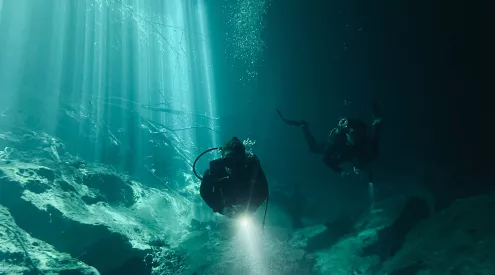
The island is consistently ranked among the Caribbean’s top diving destinations thanks to its healthy coral reefs, excellent visibility and abundance of shore-access dive sites. Unlike destinations that require lengthy boat trips, many of Curaçao’s best underwater experiences begin just a few metres from the beach.
Divers and snorkellers can encounter sea turtles, colourful reef fish, coral gardens and fascinating underwater landscapes. The famous Tugboat wreck, one of the island’s most accessible dive sites, remains a favourite among underwater photographers. Even travellers who have never considered diving before often find themselves tempted to take a beginner course during their stay.
Food shaped by many cultures
Curaçao’s diverse heritage is reflected in its cuisine. Menus blend Caribbean flavours with Dutch, African and Latin American influences, resulting in dishes that feel both familiar and unique. Fresh seafood features prominently, while local specialities such as keshi yena, a savoury dish made with cheese and spiced fillings, showcase the island’s cultural fusion.
Visitors can enjoy waterfront dining in Willemstad, sample street food at local markets or explore family-run restaurants serving traditional recipes passed down through generations. The island’s growing culinary scene has also attracted chefs experimenting with contemporary Caribbean cuisine, giving food lovers plenty of reasons to linger.
Beyond the beaches
Travellers who venture beyond the coastline will discover a different side of Curaçao. Christoffel National Park offers hiking trails through rugged landscapes dotted with cacti and native wildlife. The climb to Christoffel Mountain, the island’s highest point, rewards early risers with sweeping views across the Caribbean Sea. Nature lovers can also explore Shete Boka National Park, where powerful waves crash against dramatic limestone formations and sea caves. The contrast between the island’s tranquil beaches and its wild northern coastline highlights just how varied Curaçao’s landscapes can be.
Why now is the perfect time to visit
Major sporting events often introduce travellers to destinations they might never have considered before. The World Cup has already done that for Curaçao. What began as curiosity about an underdog football nation is quickly becoming interest in a destination that offers culture, history, adventure and relaxation in equal measure.
For travellers looking beyond the Caribbean’s usual headline-makers, Curaçao delivers vibrant cities, spectacular beaches, world-class diving and a fascinating cultural story. Its World Cup appearance may have put it on the map for millions of football fans, but the island’s true appeal lies far beyond the pitch.
Follow us on social media for more travel news, inspiration, and guides. You can also tag us to be featured.
Instagram | Facebook | Twitter | Spotify
ALSO READ:
Three countries, one World Cup: Which destination is your perfect match?