



As the world marks World Oceans Day on 8 June, conservation organisation WWF South Africa is calling for a more inclusive approach to protecting marine ecosystems. One that places local communities at the heart of conservation efforts.

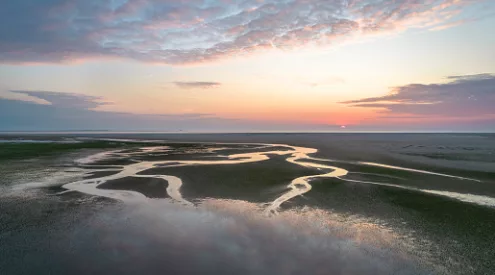
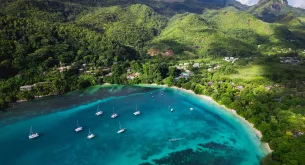
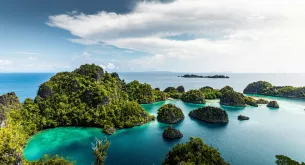
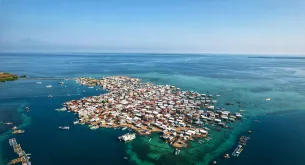
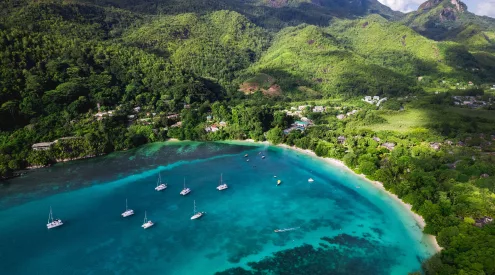
Image used for illustrative purposes/Thomas Vimare/Unsplash
The ocean plays a critical role in sustaining life on Earth. It regulates the climate, produces more than half of the oxygen we breathe and supports the livelihoods of millions of people worldwide. In South Africa, coastal communities, fishers and seafood businesses depend heavily on healthy marine ecosystems.
WWF says effective conservation must go beyond protected areas and involve the people who rely on these natural resources every day.
From small-scale fishers along the coastline to chefs advocating for responsibly sourced seafood, the organisation is working with a range of partners to create healthier oceans while supporting local livelihoods.
One of its key initiatives focuses on protecting approximately 84 000 hectares of marine habitat in False Bay through Other Effective Area-Based Conservation Measures (OECMs).
Unlike traditional protected areas, OECMs are biodiversity-rich spaces that are conserved through collaboration with local communities and stakeholders. These areas aim to safeguard nature while also supporting cultural, social and economic activities linked to the environment.
WWF believes this collaborative approach can help strengthen conservation outcomes while ensuring communities remain active participants in managing natural resources.
Supporting coastal communities
In Port Edward, KwaZulu-Natal, WWF has helped establish a community fishing forum that gives small-scale fishers a platform to raise concerns and participate in decisions affecting their livelihoods.
The organisation also supports the development of Small-Scale Fishing Zones (SSFZs), which enable local communities to play a greater role in both fisheries management and conservation efforts.
Education forms another important part of WWF’s ocean conservation strategy.
Through its Southern African Sustainable Seafood Initiative (WWF-SASSI) and a partnership with the Pick n Pay School Club, learners are being encouraged to understand the importance of sustainable seafood choices and share this knowledge with their families.
Sustainable seafood in the spotlight
The hospitality industry is also helping drive awareness around responsible seafood consumption.
Chef Greg Henderson of De Tafel says sustainability extends far beyond what appears on a restaurant menu.
“Sustainability should include an understanding of where the product comes from, who caught it, how it was caught, the impact on marine ecosystems and the social benefit to coastal communities,” he explains.
Chef Zana Alvarado, founder of Mestizo, says the global seafood industry continues to face challenges including overfishing, climate change, traceability and supply-chain transparency.
However, she notes that progress is being made through certification programmes, innovation and growing consumer demand for responsibly sourced seafood.
Working together for healthier oceans
According to Craig Smith, WWF South Africa’s senior technical marine specialist, collaboration will be essential to securing the future of the country’s oceans.
Reflecting on WWF’s vision for inclusive conservation, Smith points to an African proverb: “If you want to go fast, go alone; if you want to go far, go together.”
He says safeguarding marine ecosystems requires collective action from communities, businesses, conservation organisations and government to ensure oceans continue to support jobs, food security and sustainable development for generations to come.
Follow us on social media for more travel news, inspiration, and guides. You can also tag us to be featured.
Instagram | Facebook | Twitter
ALSO READ:
Biodiversity: The web of life behind Southern Africa’s most iconic destinations