



Fifteen captive-bred pygmy hogs have been released into India’s Manas National Park, marking another milestone in one of the world’s most successful conservation programmes, as reported by the BBC.
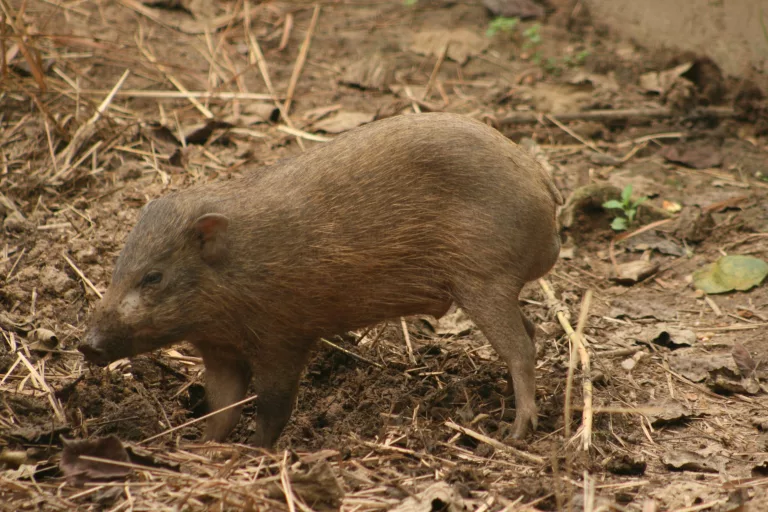
Image of pygmy hog used for illustrative purposes/PJeganathan/Wikimedia Commons
Tiny enough to fit inside a backpack and rarely seen in the wild, the endangered pygmy hog is making a remarkable comeback in northeastern India.
The Durrell Wildlife Conservation Trust has released 15 captive-bred pygmy hogs into the Kuribeel grasslands of Manas National Park in Assam, continuing a decades-long effort to restore the species to its natural habitat.
The pygmy hog is the world’s smallest and rarest wild pig. Once feared extinct, the elusive animal was dramatically rediscovered in 1971 after a group was found taking shelter from a grassland fire in a nearby tea plantation.
To prevent the species from disappearing altogether, conservationists established the Pygmy Hog Conservation Programme in 1996. Six wild pygmy hogs were brought into captivity to form the foundation of a carefully managed breeding programme.
Since then, the initiative has bred and released 194 pygmy hogs into the wild.
“We are proud to lead an initiative that has saved the pygmy hog from extinction and helped the wild population to grow and thrive in their historic home once again,” said Rebecca Brewer, Chief Executive of the Durrell Wildlife Conservation Trust.
ALSO READ:
South Africa’s best wildlife experiences for children under five
Restoring more than a species
The programme has focused not only on breeding the animals but also on restoring the grassland ecosystems they depend on. Conservation teams spent the past eight years rehabilitating the Kuribeel grasslands, where wild pygmy hogs had not been recorded for around a decade.
Scientists are also closely monitoring the newly released animals using camera traps, field surveys and radio telemetry better to understand their movements, habitat use and survival.
According to Dr Parag Jyoti Deka, Director of the Pygmy Hog Conservation Programme, the additional monitoring will help conservationists refine future releases and improve the species’ long-term chances of survival.
Looking ahead
The programme aims to release around 80 more pygmy hogs over the next five years, with the long-term goal of establishing a self-sustaining wild population of approximately 300 animals by 2040.
Dr Vinay Gupta, Principal Chief Conservator of Forests and Chief Wildlife Warden of Assam, described the reintroduction as a “remarkable conservation achievement”, noting that projects like this play an important role in restoring threatened grassland ecosystems while protecting one of the world’s rarest mammals.
For travellers visiting Assam, Manas National Park offers more than tiger safaris and birdwatching. It is also home to one of conservation’s greatest comeback stories, where one of the world’s smallest mammals is quietly reclaiming its place in the wild.
Follow us on social media for more travel news, inspiration, and guides. You can also tag us to be featured.
Instagram | Facebook | Twitter | Spotify
ALSO READ:
South Africans crowned the world’s most wildlife obsessed travellers